

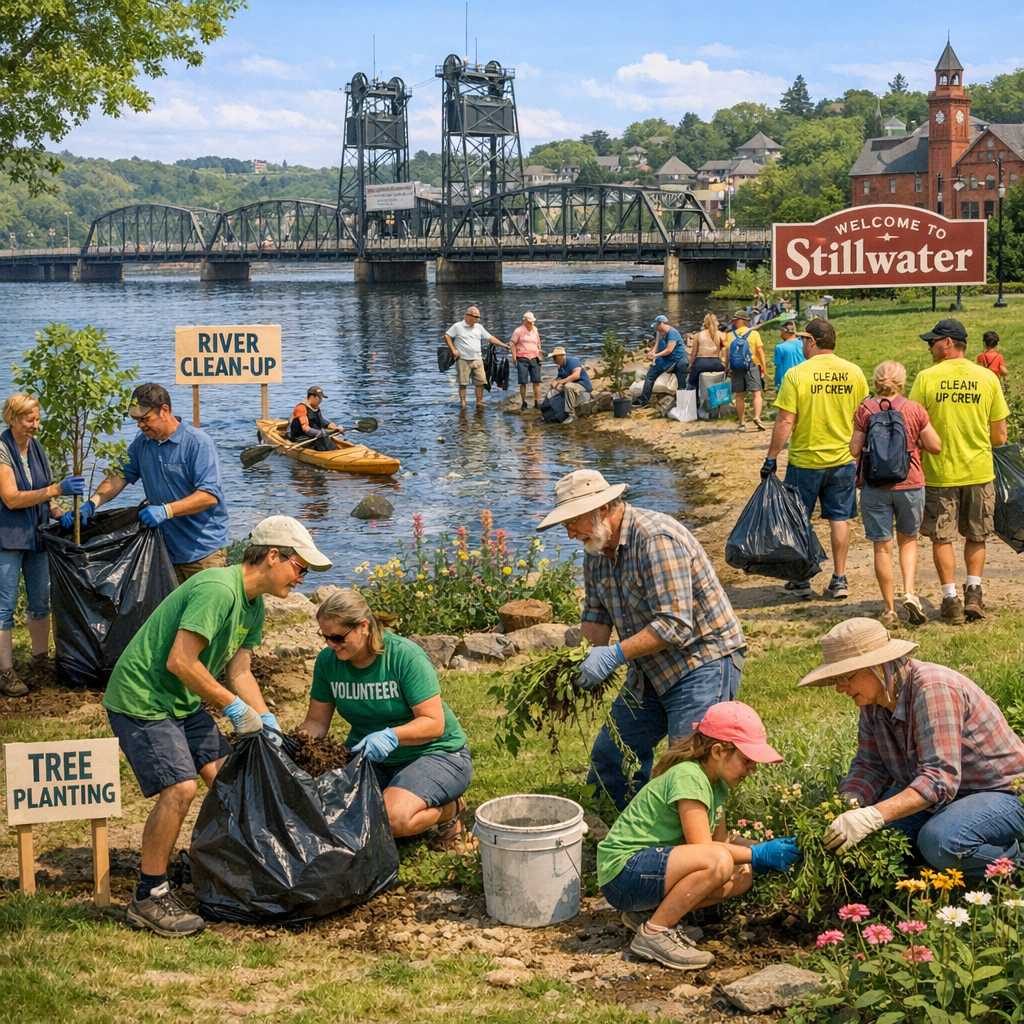
Stillwater, Minnesota, has long been recognized for its proactive approach to environmental stewardship. The community’s dedication is evident in several key initiatives aimed at preserving natural resources and promoting sustainability.
Addressing PFAS Contamination
Per- and polyfluoroalkyl substances (PFAS), often referred to as “forever chemicals,” have been a concern for many communities, including Stillwater. These man-made chemicals are found in various consumer products and can persist in the environment. The City of Stillwater has taken decisive action by constructing a new PFAS treatment facility at Well #10. This facility is part of a broader strategy to ensure the safety and quality of the city’s drinking water. The project is expected to be substantially complete by May 1, 2026, reflecting the city’s commitment to addressing emerging contaminants proactively.
Energy Action Plan
In an effort to reduce greenhouse gas emissions and promote energy efficiency, Stillwater has developed an Energy Action Plan. The plan aims to save 3.8 million kWh of electricity and 198,000 therms of natural gas by the end of 2025. This initiative not only seeks to reduce emissions but also to save the community approximately $450,000. Residents and businesses are encouraged to participate in energy-saving programs and adopt sustainable practices to help achieve these goals.
Bird City Program
Recognizing the importance of avian species to the local ecosystem, Stillwater has implemented the Bird City Program. This initiative focuses on protecting birds and their habitats through education, habitat stewardship, and community collaboration. By aligning with best practices established by the Minnesota Audubon Society, the program aims to engage residents in bird conservation efforts and enhance local biodiversity.
Environmental Learning Center
Education plays a pivotal role in fostering environmental awareness. The Environmental Learning Center (ELC) at Stillwater Area High School offers students hands-on experiences in diverse ecosystems. Spanning 55 acres, the ELC encompasses oak forests, prairies, and coniferous plantings. Students engage in activities such as banding migratory birds, studying small mammals, and utilizing camera traps to observe wildlife, thereby deepening their understanding of local ecology.
Through these initiatives, Stillwater exemplifies a community-wide commitment to environmental sustainability and education, ensuring a healthier and more resilient future for all residents.