

By William Smith
Growth in Incomes, Housing Costs, and Remote Work
Stillwater’s median household income has risen sharply in recent years to more than $105,000, a boost of over 50% since 2009. Housing values have kept pace, with median home prices now above $400,000, while rents have climbed even faster—up more than 80% since 2009. Meanwhile, remote work has become much more common, with nearly 22% of local workers now doing some or all of their jobs from home. These trends are reshaping what local businesses expect from their customer base and workforce alike.
Key Industries and Employment Patterns
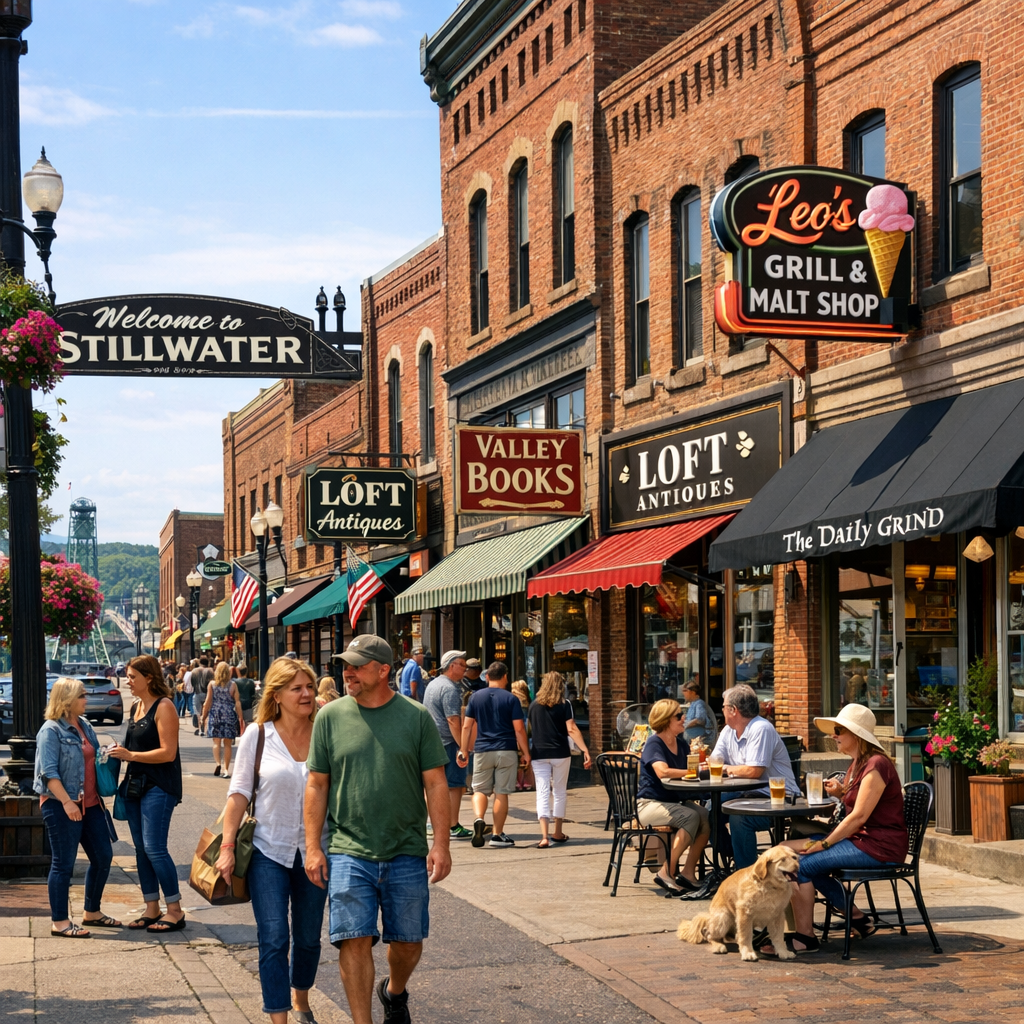
The economy of Stillwater relies heavily on service-oriented sectors. Health care and social assistance employ the most people, followed by retail trade, and then professional, scientific, and technical services. Employers in finance, insurance, and real estate offer some of the highest wages in the area, though fewer in number compared to retail shops and food service businesses. The shifting balance of industries means entrepreneurs are adapting to meet both local needs and visitor demand along the riverfront and downtown areas.
Challenges and Opportunities for Local Entrepreneurs
Entrepreneurs in Stillwater face mixed headwinds. Rising housing and rent costs—especially in downtown and near amenities—can strain both business owners and their employees. Securing startup capital remains a hurdle, and competition for staffing is fierce, especially in sectors like hospitality and healthcare. On the opportunity side, Stillwater has a supportive infrastructure: the local Economic Development Authority works with partners such as business incubators and technology centers, and there are programs in Minnesota providing no-cost consultations, grants, and networking support for small businesses.
Looking Ahead: Strategies for Sustainable Local Economy
To ensure long-term vibrancy, Stillwater’s economic stakeholders are focused on a few priorities:
- Balancing visitor-driven commerce with services for residents, to avoid overreliance on tourism flashes.
- Investing in affordable housing and mixed-use developments so workers can live near their jobs without undue cost.
- Supporting legacy businesses—restaurants, shops, service providers—that anchor community identity even as new ventures emerge.
- Encouraging remote work-friendly infrastructure and high-speed internet expansions to leverage shifts away from traditional commuting.
Stillwater is in a moment of transition: rising incomes, changing work habits, and strong demand for local experiences are opening doors for businesses willing to adapt. With focused planning and community collaboration, Stillwater’s economy has the potential to be both prosperous and inclusive.