

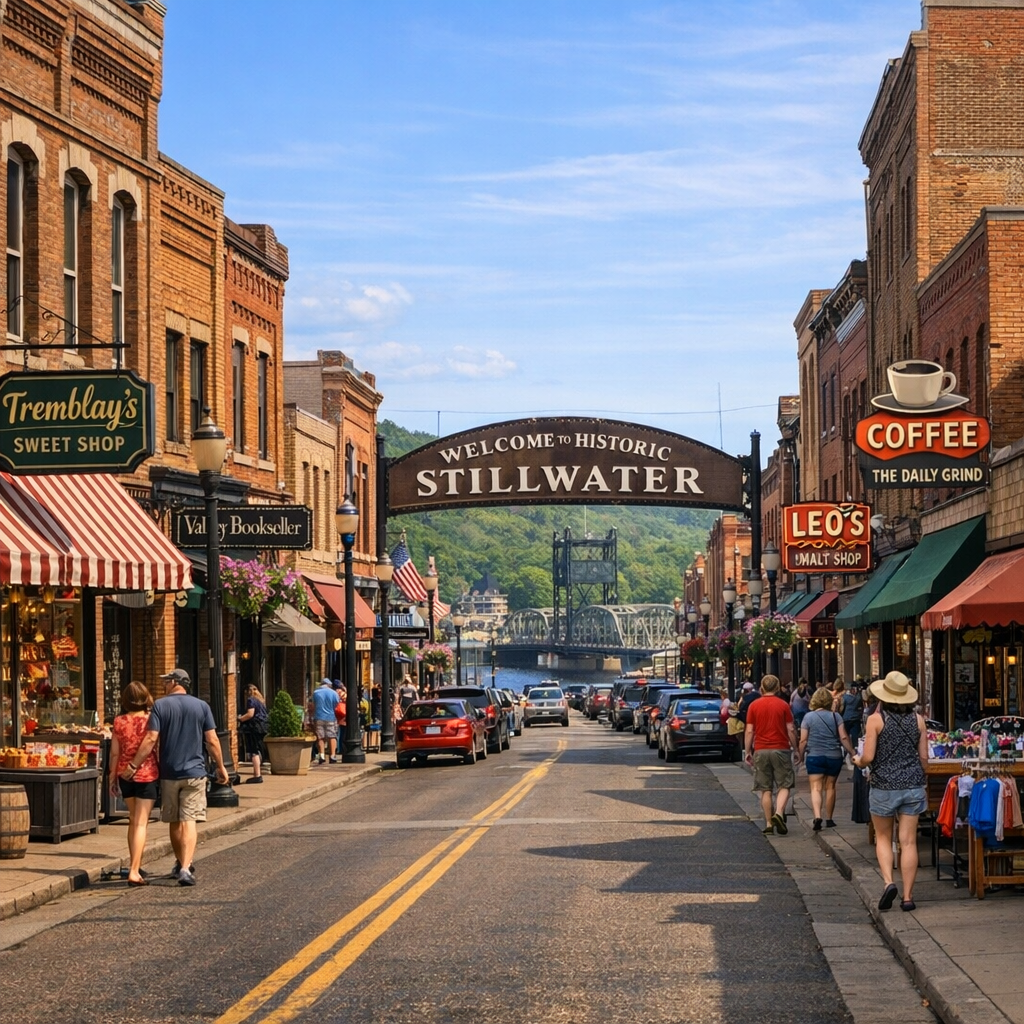
Stillwater’s economy is evolving. High home values, a rise in remote work, and strong business support programs are creating both opportunity and strain for entrepreneurs and legacy local businesses alike. Here’s what local business owners, policymakers, and job seekers should keep in mind.
Key Economic Shifts Shaping Opportunity
Rapid wage growth and cost pressures. Median household income in Stillwater now exceeds $105,000, up from around $70,000 several years earlier, while home prices have risen to a typical value well over $400,000. These rising costs squeeze both workers and small businesses trying to maintain payrolls and stable staffing levels. Investing in benefits, wage support, and creative compensation models is increasingly essential.
Remote work becomes mainstream. The share of residents working from home has jumped from about 5% to nearly 22%. High broadband availability paired with a high educational attainment rate—60% of adults hold a college degree—creates fertile ground for knowledge-based and tech-enabled enterprises that can thrive without traditional centralized operations.
Assets Strengthening Stillwater’s Business Environment
Strong business support infrastructure. The city partners with entities such as the Washington County Community Development Agency, Open to Business, and Sustainable Stillwater to offer tools like tax increment financing, tax abatements, and brownfield grants. These incentives help bridge financial gaps for growing businesses or unique development projects.
Tourism, history, and quality of place. Stillwater’s downtown is a draw—not just for residents but for visitors from the Twin Cities and beyond. As a recognized historic district along the St. Croix River, downtown offers shopping, dining, breweries, museums, and riverfront activities. That appeal supports businesses that lean into heritage, authenticity, and experience.
Main Challenges for Business & Economy
Housing affordability impacting workforce. Rising housing costs make it harder for employees—especially those in retail, food service, and hospitality—to live in the area, causing labor shortages. Employers must often compete with housing demands when hiring locally.
Business operating costs and sales volatility. Costs for rent, utilities, and compliance with city ordinances are rising. Local businesses also face fluctuations in tourism and foot traffic, which are strong in summer and peak foliage periods but slower in off-peak months. Maintaining cash flow throughout the year is an ongoing struggle.
Strategies for Sustainable Growth
Differentiation through local identity. Businesses that emphasize local artisanship, heritage, and community connection tend to perform well. Retail shops featuring handcrafted goods, restaurants using regional ingredients, or experiences tied to Stillwater’s history tap into what draws both residents and visitors. Locale Makers Market, for instance, showcases handcrafted work from over 60 local artisans from within the area.
Partnership with city and institutions. Collaboration among the City’s Economic Development Authority, the Chamber of Commerce, and external partners is central to accessing incentives, navigating regulations, and shaping programs that support startups and expansion.
Flexible operational models. Hybrid offerings—pop-ups, shared retail or kitchen space, remote-first work—can offer resilience when costs are high or demand fluctuates. Scaling thoughtfully, keeping overhead low, and riding the peaks and valleys of visitor spending can make a business more sustainable.
What Local Leaders Can Do
Invest in affordable housing strategies. Workforce housing developments, rental assistance, or zoning reforms can help ensure that the local workforce can live near where they work.
Year-round economic planning. Developing events, marketing, and festivals outside of peak seasons helps generate consistent revenue and attracts visitors in shoulder months. Winter arts, indoor experiences, or culinary tourism can help smooth revenue cycles.
Takeaways for Entrepreneurs and Job-Seekers
- Seek roles or business niches tied to remote-friendly or educationally intensive sectors.
- Leverage local incentive programs—they’re real, reachable, and can reduce startup barriers.
- Build resilience: diversify revenue streams, plan for both high and low visitor demand.
- Network locally. Joining the Chamber or similar groups opens doors to resources and collaboration.
Stillwater is more than a picturesque river town—it’s a dynamic economic ecosystem in transition. With the right mix of policy support, ingenuity, and community values, its local businesses can thrive for years to come.