

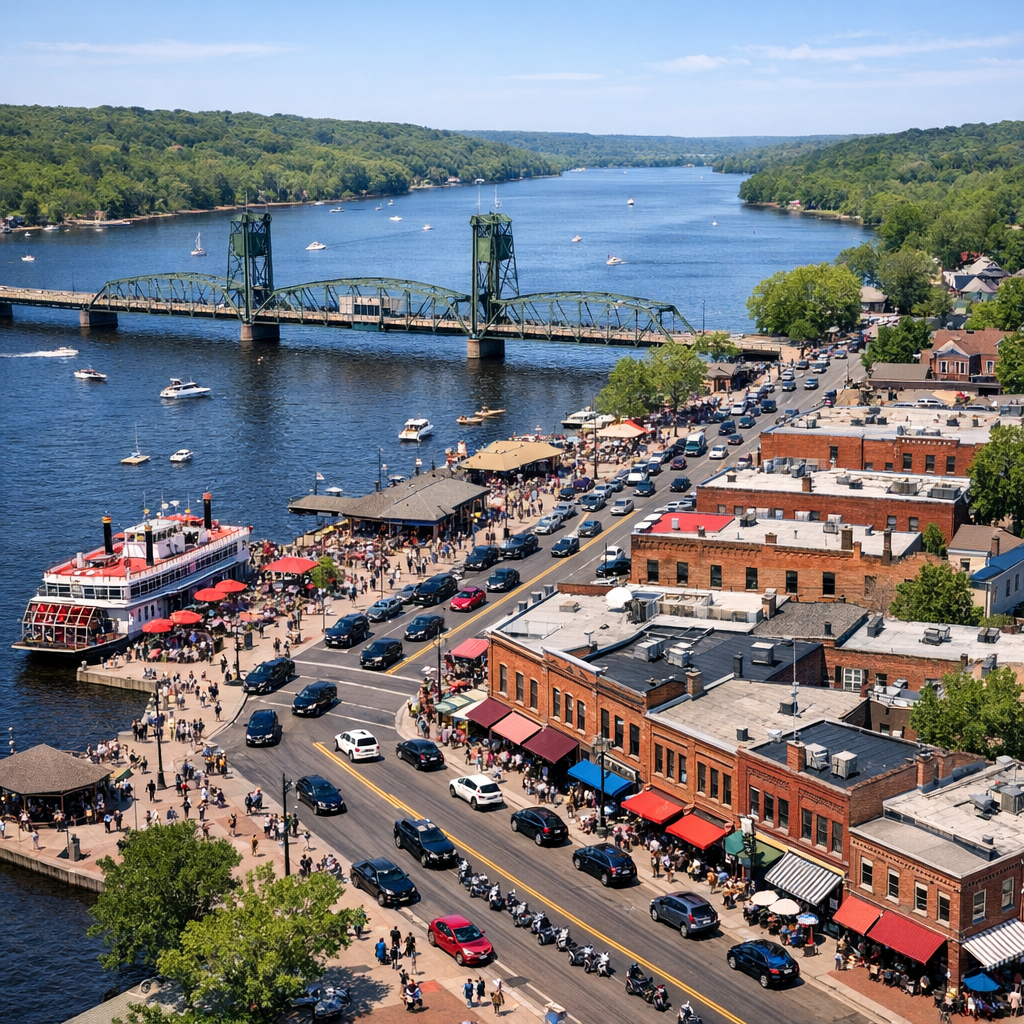
Stillwater, Minnesota, renowned for its historic charm and scenic beauty along the St. Croix River, has been experiencing steady economic growth, making it an attractive destination for businesses and entrepreneurs.
Economic Development Initiatives
The City of Stillwater has been proactive in fostering economic development. The Community Development Department oversees various activities, including building inspections, code enforcement, and planning services. In 2021, the Stillwater City Council established the Stillwater Economic Development Authority (EDA) to expand tools available for studying and analyzing economic development needs, facilitating site assembly, and pursuing public financing for development projects. The EDA also emphasizes communication and collaboration with the local business community.
Business Resources and Financial Assistance
To support local businesses, Stillwater offers a range of resources. The city partners with the Washington County Community Development Agency (CDA) to assist businesses with site selection. Additionally, several financial assistance programs are available, including Tax Increment Financing (TIF), Tax Abatement, and the Washington County Open to Business Program. These initiatives aim to provide financial support to viable projects with unique economic development needs.
Housing Market Trends
Stillwater’s housing market reflects its economic vitality. As of May 2026, the median listing price for homes was $495,000, with a median sold price of $450,000. The market has seen a 44.44% increase in active listings year-over-year, indicating a growing inventory. Homes typically spend a median of 26 days on the market, suggesting a healthy demand. The rental market is also robust, with a median rent of $2,550 per month, pointing to sustained rental demand.
Demographics and Workforce
With a projected 2026 population of 19,336, Stillwater boasts a median household income of $105,853. The city has a well-educated workforce, with 51.02% of adults holding a bachelor’s degree or higher. Key employment sectors include public administration, healthcare and social assistance, retail trade, and accommodation and food services. The average commute time is 21 minutes, with a significant portion of the workforce working from home, reflecting modern employment trends.
Community Engagement and Events
Stillwater’s commitment to community engagement is evident through events like the World Snow Celebration, which attracts over 50,000 visitors and significantly boosts the local economy. Such events not only enhance the city’s cultural landscape but also provide substantial economic benefits to local businesses.
In summary, Stillwater’s strategic initiatives, supportive business environment, and vibrant community events contribute to a dynamic economic landscape, offering ample opportunities for businesses and entrepreneurs to thrive.