

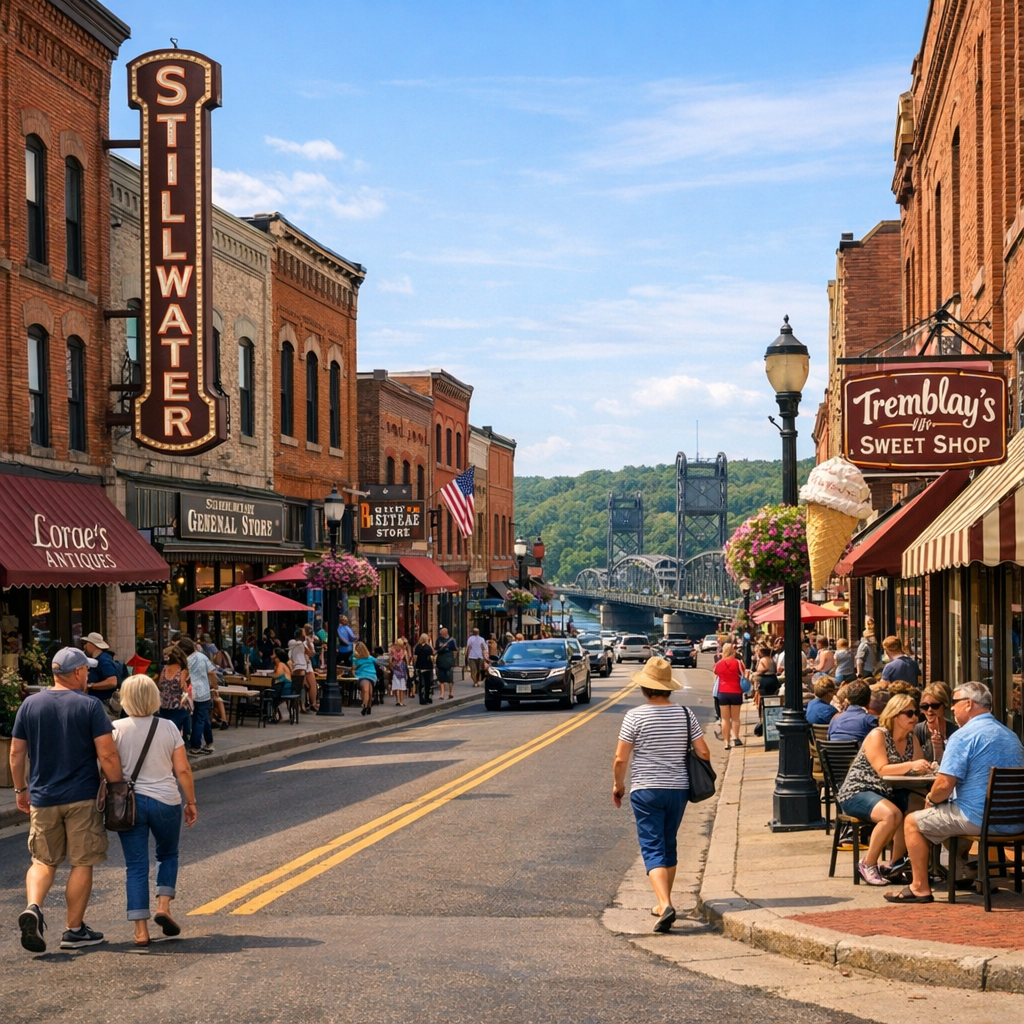
Stillwater, Minnesota, renowned for its picturesque riverfront and historic charm, boasts a dynamic economic landscape that seamlessly blends tradition with innovation. This article delves into the city’s thriving business environment, highlighting key industries, community initiatives, and the factors contributing to its economic vitality.
Historic Downtown: A Hub of Commerce and Culture
Downtown Stillwater serves as the city’s economic and cultural heart. The area is characterized by bustling retail shops, collaborative spaces, and a diverse array of restaurants ranging from high-end establishments to casual eateries. This vibrant atmosphere results from a concerted partnership between the City of Stillwater, the Greater Stillwater Chamber of Commerce, and local businesses, all working collaboratively to enhance the downtown experience for residents and visitors alike.
Diverse Economic Sectors Fuel Growth
Beyond its historic core, Stillwater’s economy is bolstered by several key industries:
- Tourism and Hospitality: Capitalizing on its scenic beauty and rich history, Stillwater attracts numerous visitors annually. The tourism sector accounts for a significant portion of local business activity, with boutique shops, dining establishments, and events along the St. Croix River contributing to its vibrancy.
- Healthcare: The city has experienced growth in medical and administrative roles, offering residents stable, well-paying career opportunities without the need to commute to larger metropolitan areas.
- Manufacturing and Technology: Evolving from its historic roots, Stillwater’s modern manufacturing sector includes facilities focused on biomedical advancements and innovative consumer products, reflecting the city’s adaptability and forward-thinking approach.
Community Initiatives and Development
In 2021, the Stillwater City Council established the Stillwater Economic Development Authority (EDA) to expand tools available for studying and analyzing economic development needs, facilitating site assembly, and pursuing public financing of development projects. This initiative underscores the city’s commitment to fostering a supportive environment for businesses and residents.
Additionally, the appointment of Jason Zimmerman as the new Community Development Director in early 2026 signals a continued focus on meaningful growth. Zimmerman is actively working on the Comprehensive Plan that will shape Stillwater’s community and development efforts for the next two decades, building upon the positive momentum established by his predecessors.
Demographics and Workforce
With a population of approximately 19,390 residents and a median age of 45, Stillwater offers a balanced mix of small-town charm and access to metropolitan amenities. The city’s median household income stands at $105,853, reflecting a stable economic environment. The workforce is diverse, with significant employment in public administration, healthcare, retail trade, and accommodation and food services.
Looking Ahead
As Stillwater continues to evolve, the city’s blend of historic preservation and economic innovation positions it as a model for sustainable growth. The collaborative efforts of local government, businesses, and community organizations ensure that Stillwater remains a vibrant and welcoming place for residents and visitors alike.