

By James Larson — In studying a range of climate and environmental data for Stillwater and Washington County, we see patterns emerging that point to lasting shifts—not just unusual weather. Understanding these trends helps us better adapt our homes, gardens, and public spaces to what’s becoming our new normal.
What the Climate Normals Tell Us
The official climate normals for Stillwater — averaged over 1991–2020 — give us a strong baseline. Summers in July average around 79°F highs, while winter lows in January tend to drop to near 5°F. Annual precipitation is roughly 33 inches, with June generally seeing the most rain. These seasonal rhythms define much of life here.
Evidence of Ongoing Shifts
Increasing Frequency of Droughts
Minnesota has seen a resurgence of drought conditions in recent years. After a relatively stable period following previous dry years, 2026 saw significant precipitation deficits across swaths of the state — including Washington County’s broader ecosystem. These dry periods strain water supplies, heighten wildfire risk, and stress plants and wildlife.
Warmer Autumns and Lengthening Growing Season
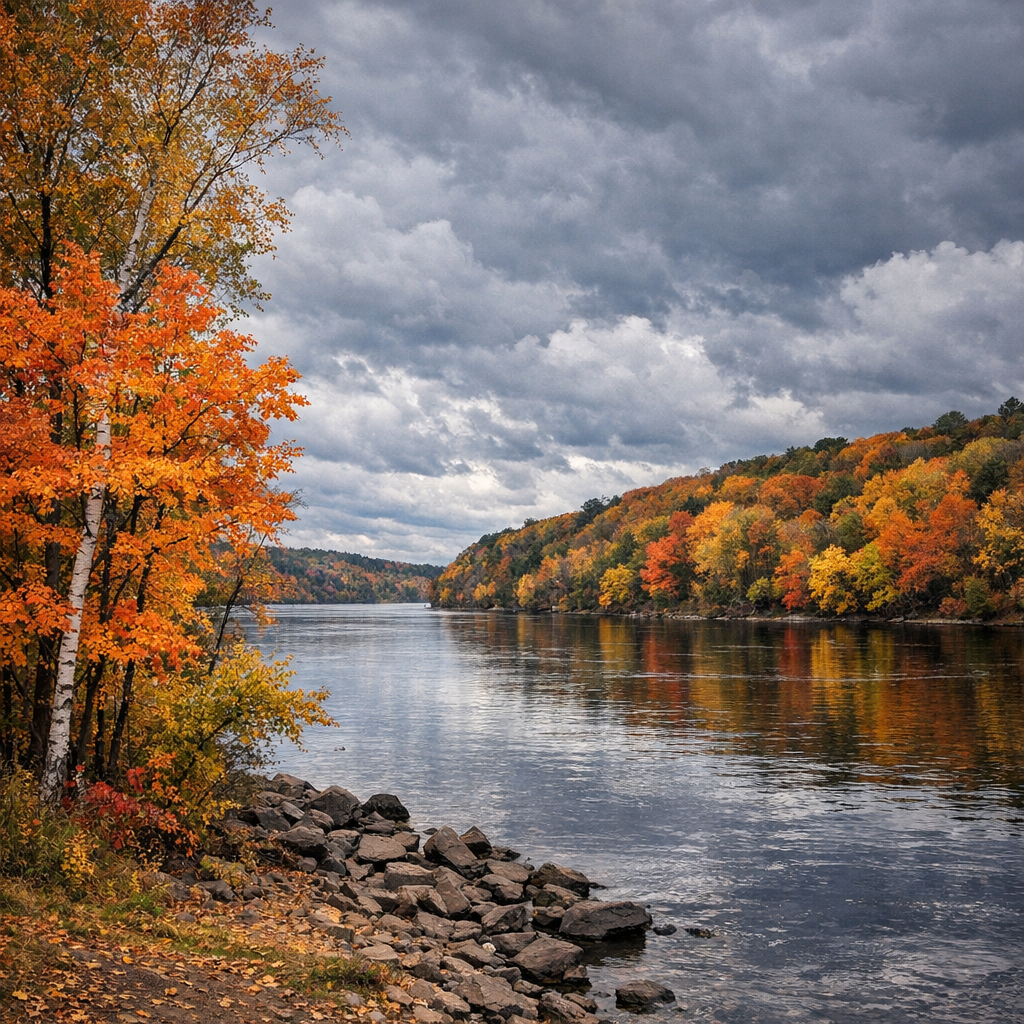
Autumns are trending warmer, especially September through November. This means fewer “first frosts” at traditional calendars dates, potential shifts in migration timing for birds, and a longer growing season for certain plants. While some gardeners see opportunities, others worry about mismatches in ecosystems (for example, pollinators and flower bloom times).
Local Impacts and Adaptation Opportunities
Stormwater, Storm Drains, and Water Conservation
Reduced precipitation in recent months (and years) combined with occasional intense storms makes it crucial to keep storm drains clean, invest in rain gardens, and reduce impervious surfaces like large asphalt driveways. Capturing water when it falls helps buffer dry spells that are becoming more frequent.
Plant Choices and Yard Habits
Native plants that are adapted to variable moisture — drought-tolerant in summer, but resilient in heavy winter cold — are increasingly valuable. Minimizing the use of fertilizers and reducing mowing frequency can support soil health and wildlife. Autumn is a critical time to remove invasive species (like buckthorn) before they spread.
Community-Level Responses
Groups like Sustainable Stillwater MN are leading the way: promoting rain gardens, forecasting sustainable mobility choices, and engaging in watershed protection efforts. Local policy resolutions for better energy use and resource conservation are gaining traction as community priorities shift toward long-term resilience.
What We Can Do
- Monitor weather trends through reliable sources and consider joining local citizen science projects.
- Make small home and yard adaptations: capture rainwater, reduce run-off, choose plantings wisely.
- Support community measures that buffer drought effects and protect ecosystems, including policy initiatives and neighborhood conservation programs.
- Prepare for more day-to-day variability: expect both dry stretches and heavier storm events.
The story in the data isn’t alarmist—it’s informative. Stillwater’s climate isn’t just shifting in one direction but growing more variable. As temperatures creep upward in autumn, winters mild slightly, and summers retain their intensity, the decisions we make today at home, in our yards, and in our community strategies will shape how well we thrive through the changes ahead.