

By James Larson
Over recent decades, Stillwater and much of Minnesota have seen steady climate shifts that are reshaping our seasons, ecosystems, and everyday weather. These changes are emerging slowly but becoming impossible to ignore.
Warmer Falls, Milder Winters
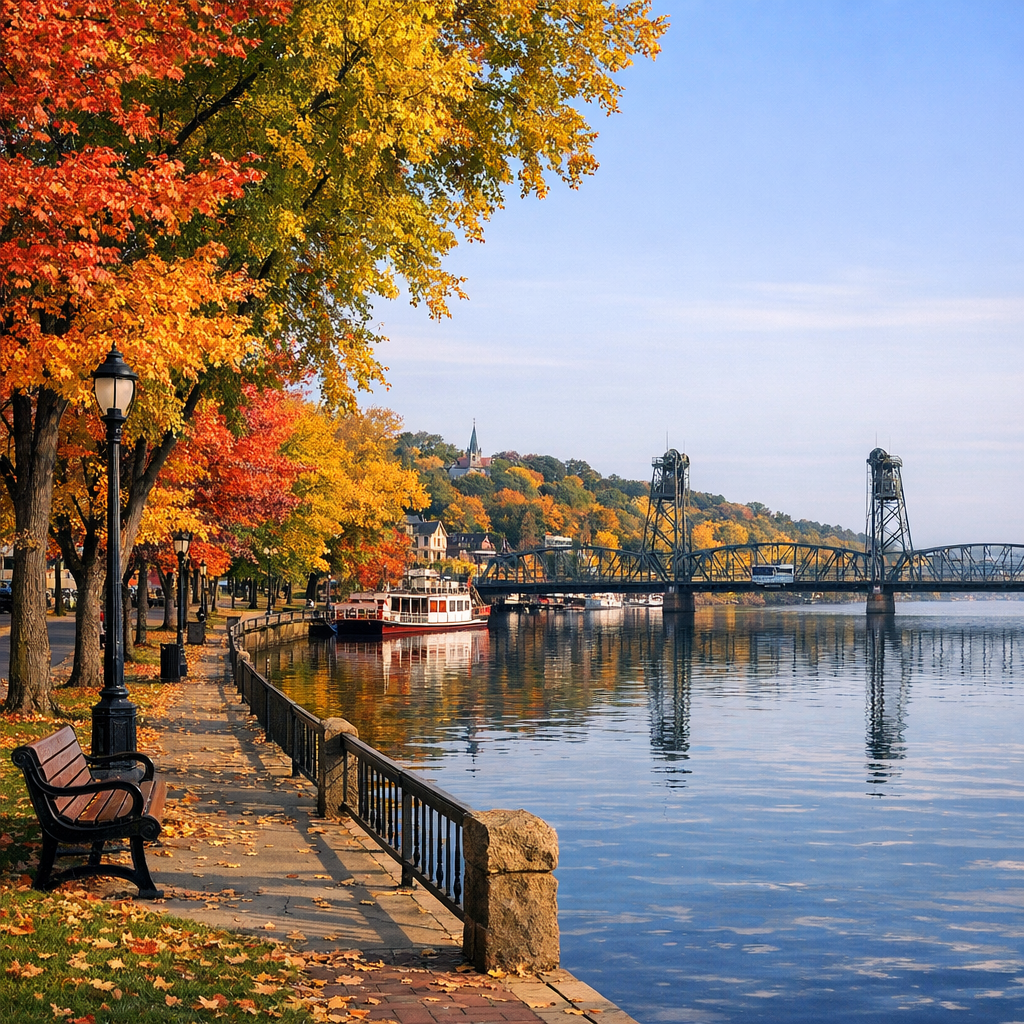
The autumns in Minnesota are arriving later, and with that brings warmer shoulder seasons—most notably September is getting hotter. Over the past 50+ years, the average temperature for September has increased by nearly 6°F, moving peak fall colors later into October. At the same time, early cold snaps and hard freezes are becoming less common. Winters have grown markedly milder at night, especially in northern and central parts of the state.
Shifting Plant and Wildlife Rhythms
These temperature changes ripple through nature in many ways. Trees native to colder northern forests—like paper birch, quaking aspen, balsam fir, and black spruce—are under stress. They’re gradually ceding ground to more heat-tolerant species such as maples, oaks, and hickories. Wildlife is adapting too: many bird species are arriving earlier for spring nesting; insects are emerging sooner each year.
Lakes, Ice, and Water Life
Stillwater’s proximity to the Mississippi and area lakes makes it especially sensitive to shifts in water conditions. Ice seasons have shortened, with lakes freezing later and thawing earlier—total ice cover is now about 10–14 days shorter on average than in the past. Warm water temperatures are rising, which can favor algae blooms, reduce oxygen levels for cold-water fish, and stress species like walleye.
Local Threats: Ash Trees and Canopy Loss
A local example of environmental change: the emerald ash borer infestation has had severe impacts in Stillwater. As of 2025, nearly all ash trees in the city are either treated, infested, or dead. City estimates suggest up to 15% of the urban canopy may be lost after this outbreak’s initial wave—a change that affects shading, temperature regulation, and urban wildlife habitat.
What We Can Do Now
Recognizing these trends is just the first step. Communities like ours can adapt by:
- Planting diverse, native trees to replace lost canopy—choosing species suited for warmer, wetter conditions.
- Helping lakes and streams stay clean through erosion control, responsible landscaping, and buffer strips to reduce runoff and limit algae growth.
- Adjusting planting and gardening calendars as growing seasons lengthen; being alert for earlier pests and infestations.
- Supporting local planning that takes flood risk, storm intensity, and infrastructure resilience into account.
Understanding what’s changing gives us a better chance to shape what’s coming next. Though Stillwater’s climate story is one of loss in some areas, there’s also opportunity—to grow, adapt, and protect our community and environment.