

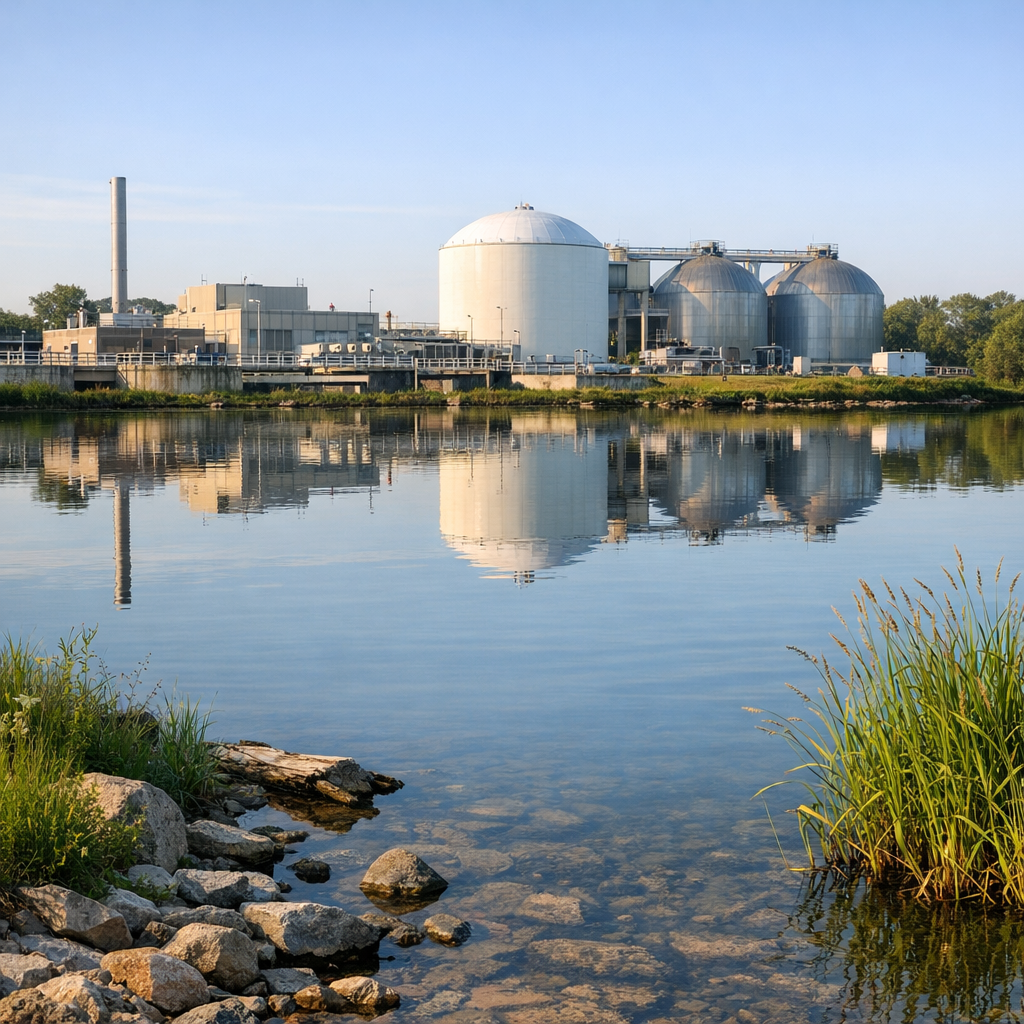
In Stillwater, where our river defines our skyline and our wells sustain our homes, clean water isn’t optional—it’s essential. Over recent years, the city has been grappling with PFAS—“forever chemicals”—in its groundwater, and the conversation isn’t abstract. It’s personal: it’s about the water that flows from our taps, into our coffee makers, and the streams that so many of us walk along.
Understanding What’s at Stake
The city has taken action. Two wells—Well #6 and Well #10—have shown levels of PFAS above Environmental Protection Agency limits. Well #9 fell just under that line. While none are currently active, they represent a fragile arm of our water supply. What this means for residents: precaution, transparency, and continued investment in solutions.
Stillwater is in the midst of constructing a treatment facility at Well #10 as a temporary fix, to get it safely back into service. Meanwhile, the city is evaluating longer-term mitigation costs, likely involving granular activated carbon filtration—an expensive but proven path forward. These aren’t easy conversations, but they’re necessary ones. Avoiding them risks more than financial strain; it risks trust.
The Human Element: Why Community Voice Matters
It’s not just about pipes or permits. It’s about lifetimes. For some, concerns about PFAS connect to health conditions; for others, to the values of openness—knowing whether the well feeding their home is clean or compromised. Yet many residents report that getting clear data—on test maps, impact assessments, even which wells are active—is harder than it should be. In public health, silence breeds suspicion; transparency fosters confidence.
Good governance in action doesn’t merely issue reports—it listens. When city staff present a water treatment plan, it should feel like a dialogue, not a document. When residents question how costs will affect their bills, how long wells will remain offline, how unintentional exposure is being tracked—these are not complaints; they’re essential feedback.
Building Durable Solutions Together
Stillwater is investing in both immediate and multi‐decade strategies. The temporary treatment at Well #10, projected for completion in the coming seasons, is a stopgap. The larger goal is a full system that meets or beats state and federal standards—ideally before deadlines make delays dangerous. Planning will require funding, yes—but also public support and shared patience.
We also need to think beyond PFAS. Agricultural runoff, old septic systems, stormwater overflow—all of these contribute to impaired waters in the region. And while they might not receive the same urgency, they matter. They are part of the same check on our environmental health and the vitality of our community.
What Each of Us Can Do
- Stay informed—check city bulletins, attend public meetings on water and utility updates.
- Advocate for transparency—ask for regular updates, clear data, maps, clear explanations.
- Support local policies—and budget items—that prioritize resilient water infrastructure.
- Practice water‐safe habits: minimize use of potential PFAS sources, safeguard stormwater runoff, reduce use of harsh chemicals.
Conclusion
Stillwater’s water issue isn’t someone else’s problem. It’s ours. The quality of our water reflects the cup we drink from, the river we float on, the wells beneath our yards. Investing in its safety is investing in health, confidence, future generations, and the character of the place we all call home. Together, we can ensure that stillness in Stillwater includes clean water—not just quiet water.