

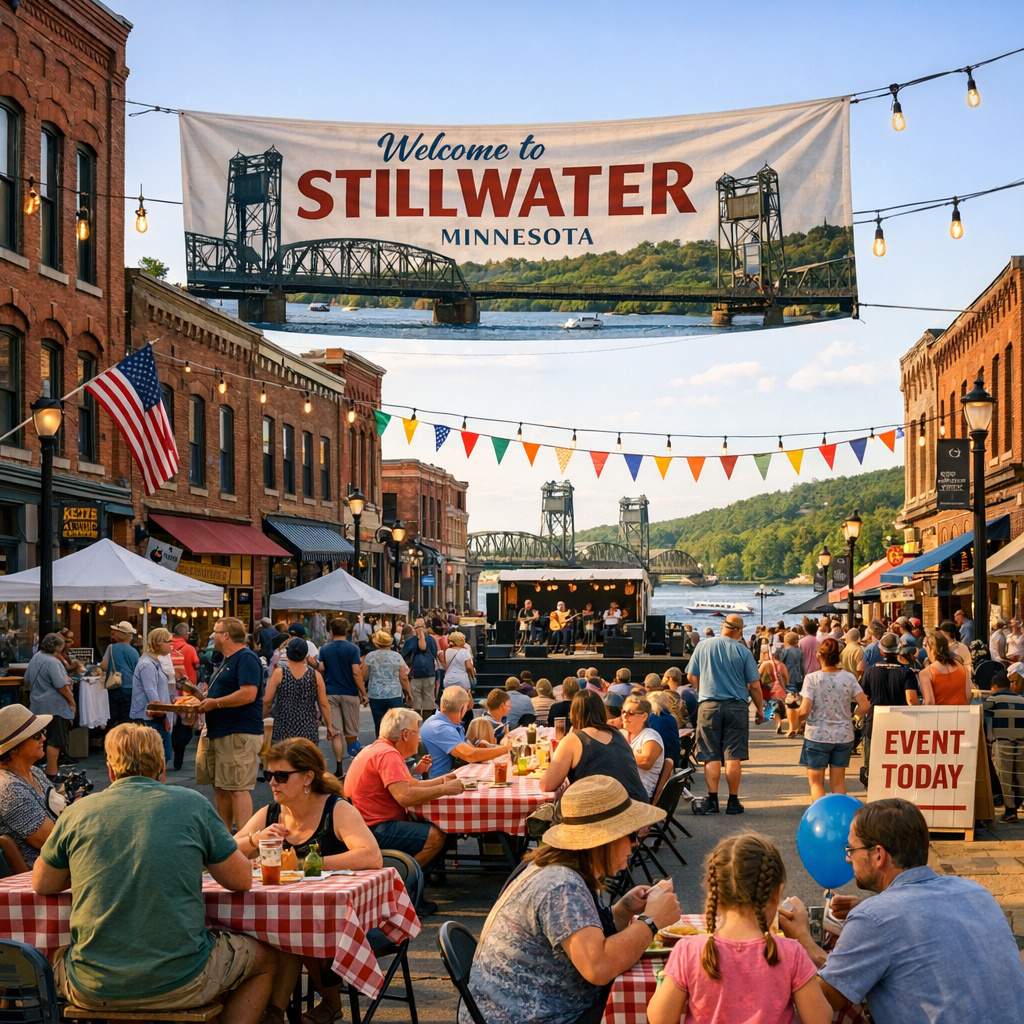
Stillwater, often referred to as the “birthplace of Minnesota,” boasts a rich tapestry of history that its residents are deeply committed to preserving. This dedication is evident in the numerous initiatives and collaborations aimed at maintaining the city’s historical integrity.
Community-Led Preservation Efforts
One of the standout examples of community involvement is the work of the Heritage Preservation Commission (HPC). In 1993, the HPC commissioned historian Robert Vogel to develop a comprehensive historic context for Stillwater. This study laid the groundwork for identifying and preserving significant neighborhoods and commercial areas. Over the years, with support from the Minnesota State Historical Society’s Certified Local Government Grant program, the city has conducted detailed surveys of 16 neighborhoods, each rich in historical significance.
Adaptive Reuse of Historic Structures
Preserving history doesn’t mean halting progress. Stillwater has embraced adaptive reuse, where historic buildings find new life serving modern purposes. A notable example is the transformation of a historic school built in 1862 into the headquarters of Cub Foods. The company meticulously renovated the property, retaining original plaques and chalkboards in many offices. The gymnasium and locker rooms have been updated and are now utilized by employees, blending historical charm with contemporary functionality.
Engaging the Community Through Events
Community events play a pivotal role in fostering appreciation for Stillwater’s heritage. The city hosts various events that celebrate its history and culture. For instance, the annual “Hometown for the Holidays” transforms Main Street into a picturesque Christmas village, drawing residents and visitors alike to partake in festive activities that highlight the city’s historic charm.
Challenges and the Road Ahead
While the commitment to preservation is strong, challenges persist. Balancing development with conservation requires continuous dialogue among stakeholders. The community’s proactive approach, however, offers hope. By integrating preservation into city planning and encouraging public participation, Stillwater aims to honor its past while embracing the future.
In conclusion, Stillwater’s residents exemplify how a community can come together to safeguard its heritage. Through dedicated preservation efforts, adaptive reuse of historic structures, and engaging community events, they ensure that the city’s rich history remains a vibrant part of its identity.