

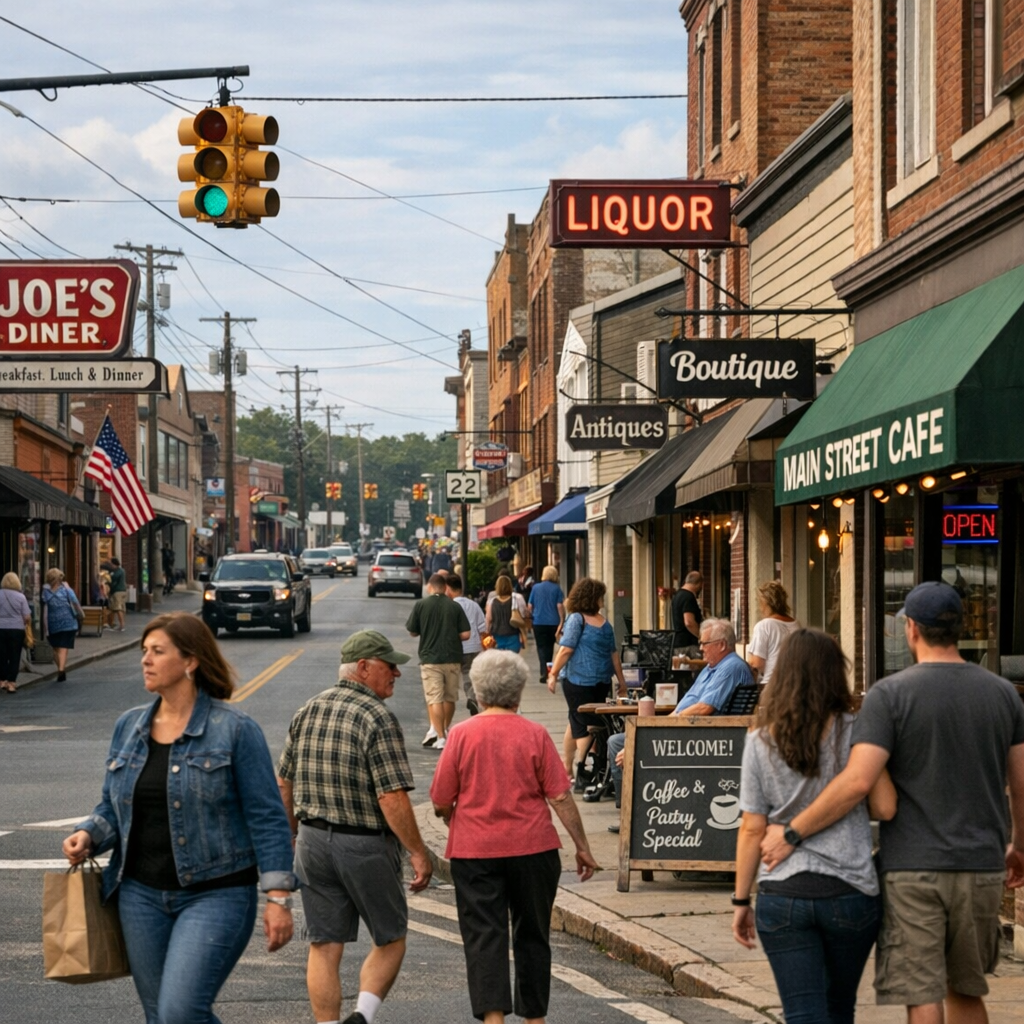
The U.S. economy is experiencing a period of significant change, with various indicators pointing to both opportunities and challenges ahead. Understanding these trends is crucial for communities like Stillwater, Minnesota, as they can have direct and indirect effects on local businesses and residents.
Economic Growth and Employment
Recent reports suggest a slowdown in job growth, with net hiring declining over the past few months. For instance, in July, the economy added only 73,000 jobs, a notable decrease from the previous year’s monthly average of 168,000. This trend raises concerns about the sustainability of economic expansion and the potential for increased unemployment rates.
Inflation and Consumer Prices
Inflation has been on the rise, with the personal consumption expenditures price index increasing to 2.6% over the year ending in June, up from 2.2% in April. This uptick in inflation affects the cost of living, impacting household budgets and consumer spending habits.
National Debt and Fiscal Policy
The national debt has reached unprecedented levels, with total U.S. debt outstanding at $38.4 trillion as of January 2026. Financial experts warn that this trajectory could threaten long-term economic confidence and stability. Rising debt levels may lead to higher interest costs and could necessitate policy adjustments to ensure fiscal sustainability.
Implications for Local Communities
For communities like Stillwater, these national economic trends can have tangible effects. A slowdown in job growth may lead to fewer employment opportunities, while rising inflation can strain household budgets. Additionally, concerns about national debt and fiscal policy may influence local government funding and services.
Staying informed about these developments is essential for residents and local businesses to navigate the evolving economic landscape effectively.