

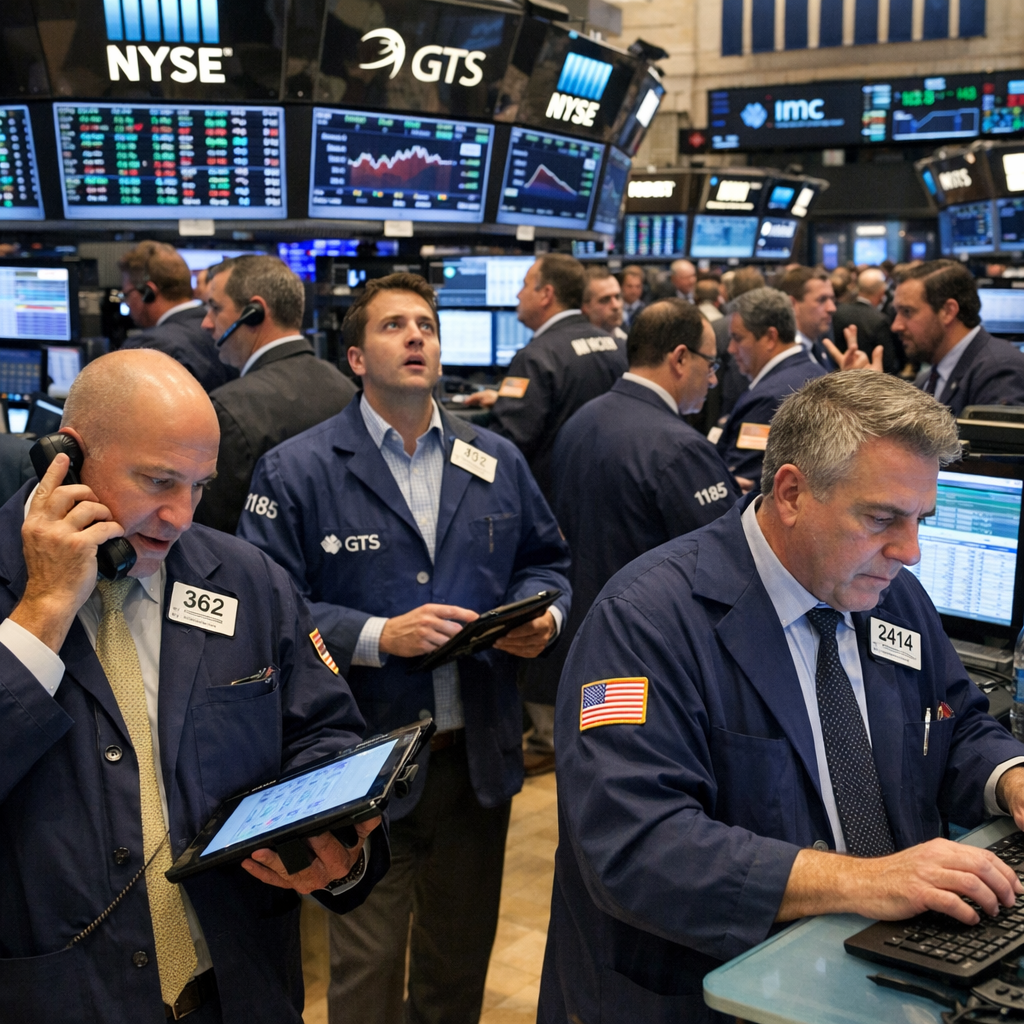
The United States economy is experiencing a period of significant change, marked by evolving inflation rates, employment patterns, and trade policies. Understanding these dynamics is crucial for both policymakers and citizens.
Inflation Trends
Inflation has been a focal point in recent economic discussions. After a period of rising prices, recent data indicates a slowdown in inflation rates. The consumer price index increased by 2.8% in February compared to the previous year, a decrease from the 3% rise observed in January. Core prices, which exclude volatile food and energy categories, rose by 3.1% over the same period, marking the lowest increase since April 2021. This deceleration suggests a potential easing of cost pressures on consumers.
Employment Landscape
The labor market presents a mixed picture. While the economy added 130,000 jobs in January, revisions have significantly reduced the number of jobs created last year to 181,000, less than half of the previously reported 584,000. This adjustment indicates a weaker job market than initially perceived, highlighting the need for strategies to bolster employment growth.
Trade Policies and Economic Impact
Trade policies continue to influence the economic landscape. The implementation of tariffs on steel and aluminum has introduced uncertainties, with potential implications for consumer prices and international trade relations. These measures have sparked debates on their effectiveness and the broader impact on the U.S. economy.
In summary, the U.S. economy is navigating a complex environment characterized by shifting inflation rates, employment challenges, and evolving trade policies. Staying informed about these developments is essential for making informed decisions in both personal and professional spheres.