

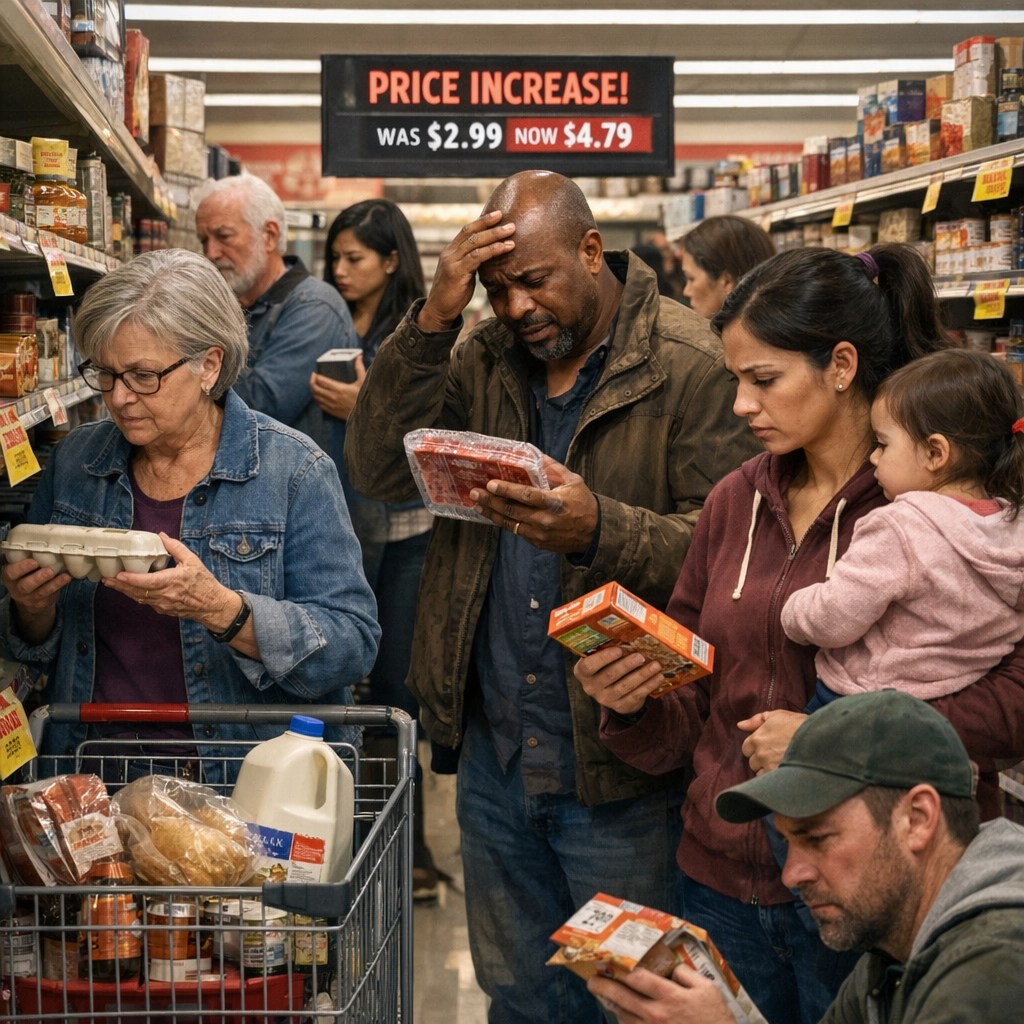
The U.S. economy is experiencing a period of significant transformation, influenced by various factors including policy changes, global events, and market dynamics. Understanding these shifts is crucial for American households as they navigate financial decisions.
Economic Growth and Employment
Recent data indicates a slowdown in job growth, with the economy adding fewer positions than anticipated. This trend suggests a cooling labor market, prompting concerns about future employment opportunities and wage growth.
Inflation and Consumer Prices
Inflation rates have risen, leading to increased costs for goods and services. Consumers are facing higher prices at the pump and in grocery stores, impacting household budgets and spending habits.
Federal Reserve Policies
The Federal Reserve has maintained interest rates but signaled potential hikes in response to persistent inflation. Such adjustments could affect borrowing costs for mortgages, auto loans, and credit cards, influencing consumer spending and saving behaviors.
Trade Policies and Global Relations
Recent trade policies, including tariffs and renegotiated agreements, have introduced uncertainties in global markets. These changes may affect domestic industries, supply chains, and the prices of imported goods.
Implications for Households
For families in Stillwater and across the nation, these economic developments underscore the importance of financial planning and adaptability. Staying informed about policy changes and market trends can aid in making prudent financial decisions.
As the economic landscape continues to evolve, staying engaged with reliable news sources and seeking professional financial advice can help households navigate these changes effectively.