

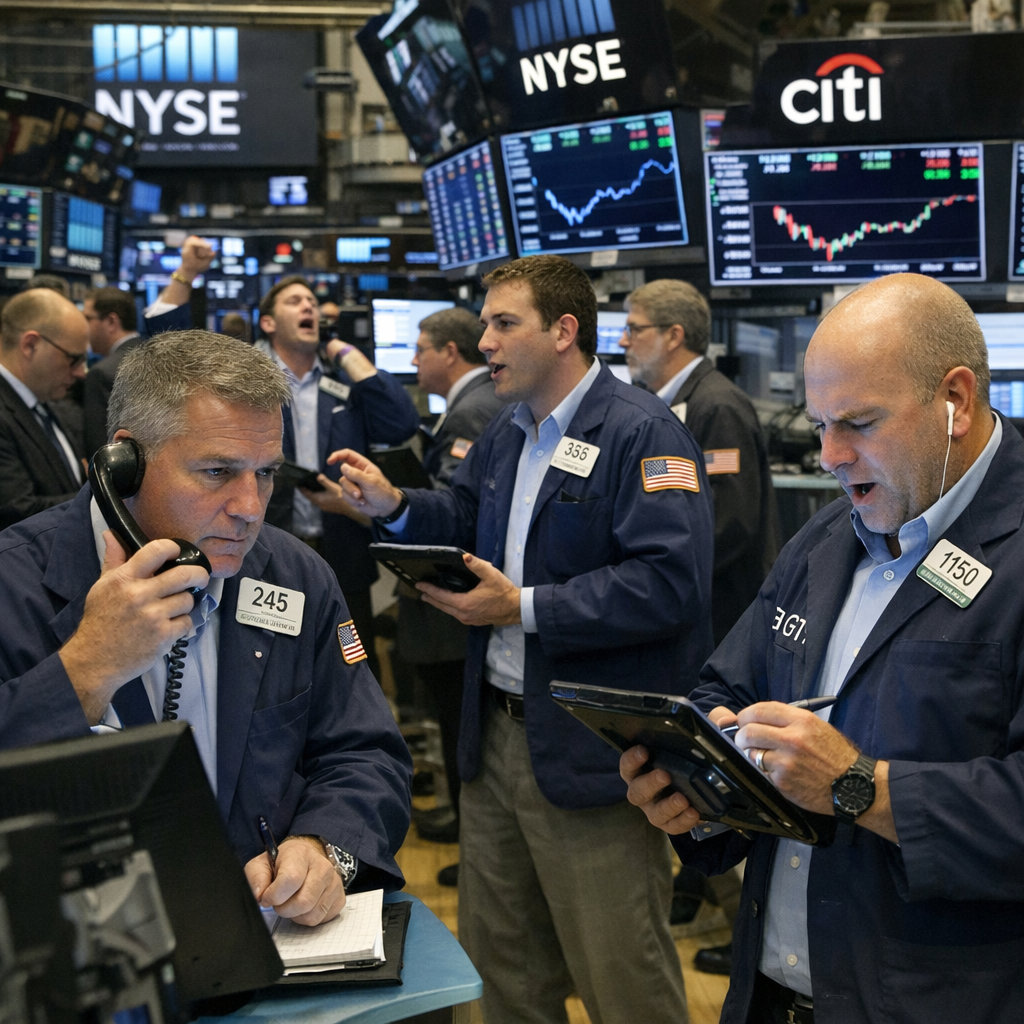
The U.S. economy is currently experiencing a complex interplay of factors influencing its trajectory. Key areas of focus include inflation rates, employment statistics, and the effects of international trade policies.
Inflation and Consumer Prices
Recent data indicates a notable rise in consumer prices, with inflation reaching levels not seen in nearly three years. This surge is largely attributed to escalating gas prices, which have increased by 21% over the past month. The ongoing conflict in the Middle East, particularly the U.S.-Iran war, has significantly impacted global oil markets, contributing to this upward trend in energy costs.
Employment Trends
Despite geopolitical tensions, the U.S. labor market has shown resilience. In April, employers added 115,000 jobs, reflecting a steady, albeit modest, growth in employment. However, certain sectors, such as the health care industry, are experiencing more pronounced hiring booms compared to others.
Impact of Trade Policies
Trade policies continue to play a pivotal role in shaping the economic landscape. The Trump administration’s recent imposition of a 10% global tariff has faced legal challenges, with a federal court ruling against the measure. This decision underscores the ongoing debates surrounding trade practices and their implications for domestic industries and international relations.
Looking Ahead
As the nation navigates these economic dynamics, policymakers and consumers alike remain vigilant. The interplay between inflation, employment, and trade policies will be critical in determining the economic outlook in the coming months.