

As we navigate the complexities of the current U.S. economic landscape, several key developments have emerged that warrant attention.
Inflation and Consumer Prices
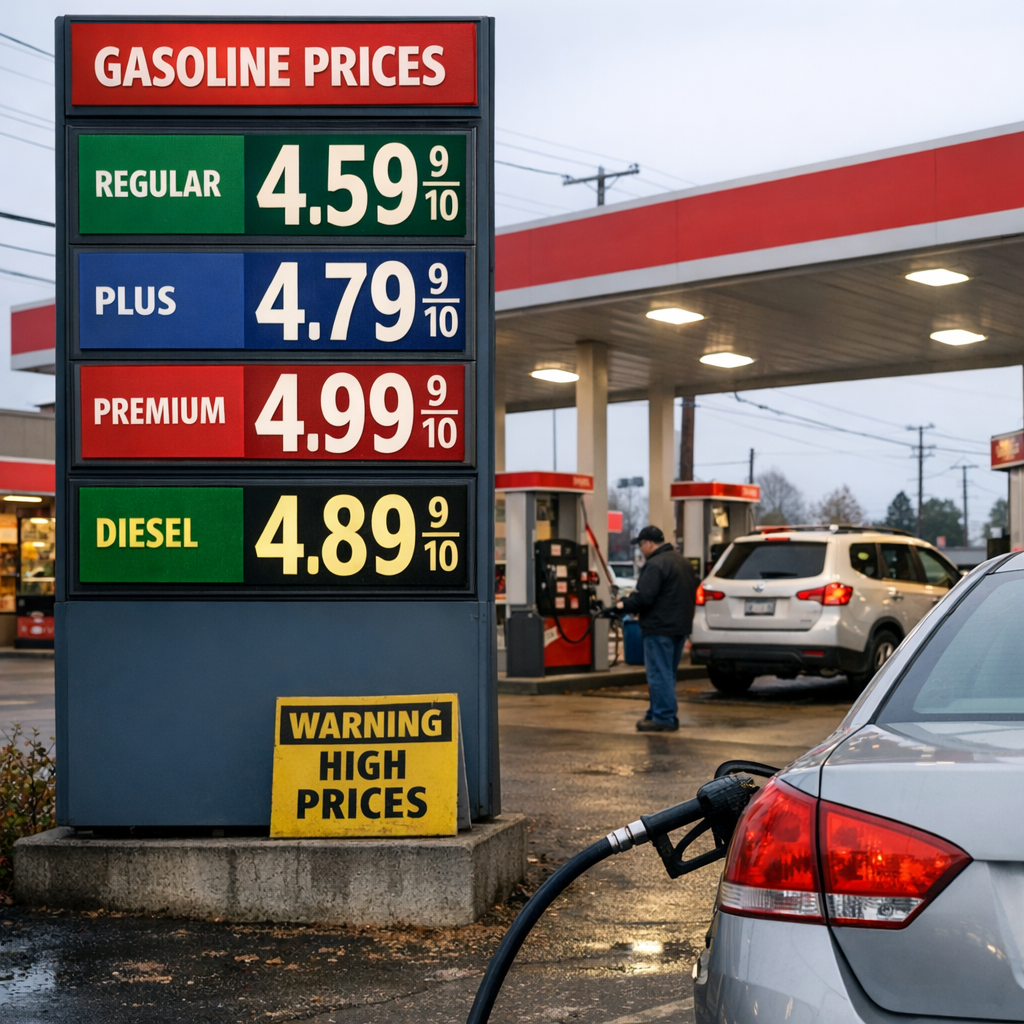
Recent data indicates a notable rise in inflation, with April’s rate reaching 3.8%, the highest in three years. This uptick has been largely driven by increased energy costs, particularly following the military conflict with Iran that began in February. The closure of the Strait of Hormuz has led to a surge in gas prices, now averaging over $4.50 per gallon nationally, with some states experiencing prices above $5. This escalation has placed additional financial strain on households, as many find their incomes are not keeping pace with rising prices.
Federal Reserve’s Monetary Policy
In response to these economic pressures, the Federal Reserve has taken measures to stabilize the economy. The International Monetary Fund (IMF) has observed that the U.S. economy is poised for accelerated growth, projecting a 2.4% increase in GDP for the fourth quarter of 2026. The IMF also anticipates a decrease in unemployment to 4.1% in 2026 and expects inflation to align with the Federal Reserve’s 2% target by 2027. These projections suggest a cautiously optimistic outlook for the economy, contingent upon effective policy implementation.
Consumer Sentiment and Economic Outlook
Despite these measures, public sentiment reflects growing concern. A recent Gallup poll reveals that approximately one-third of Americans view politics and government as the nation’s most pressing issues, a sentiment more pronounced in the U.S. than in many other wealthy democracies. This anxiety underscores the importance of transparent and effective economic policies to restore public confidence.
Implications for Stillwater Residents
For residents of Stillwater, Minnesota, these national trends have tangible local impacts. The rise in gas prices affects commuting costs, while inflation influences the affordability of goods and services. Staying informed about these developments is crucial for making sound financial decisions. Engaging with local financial advisors and community resources can provide guidance tailored to individual circumstances.
As the economic landscape continues to evolve, proactive engagement and informed decision-making will be key to navigating these challenges effectively.