

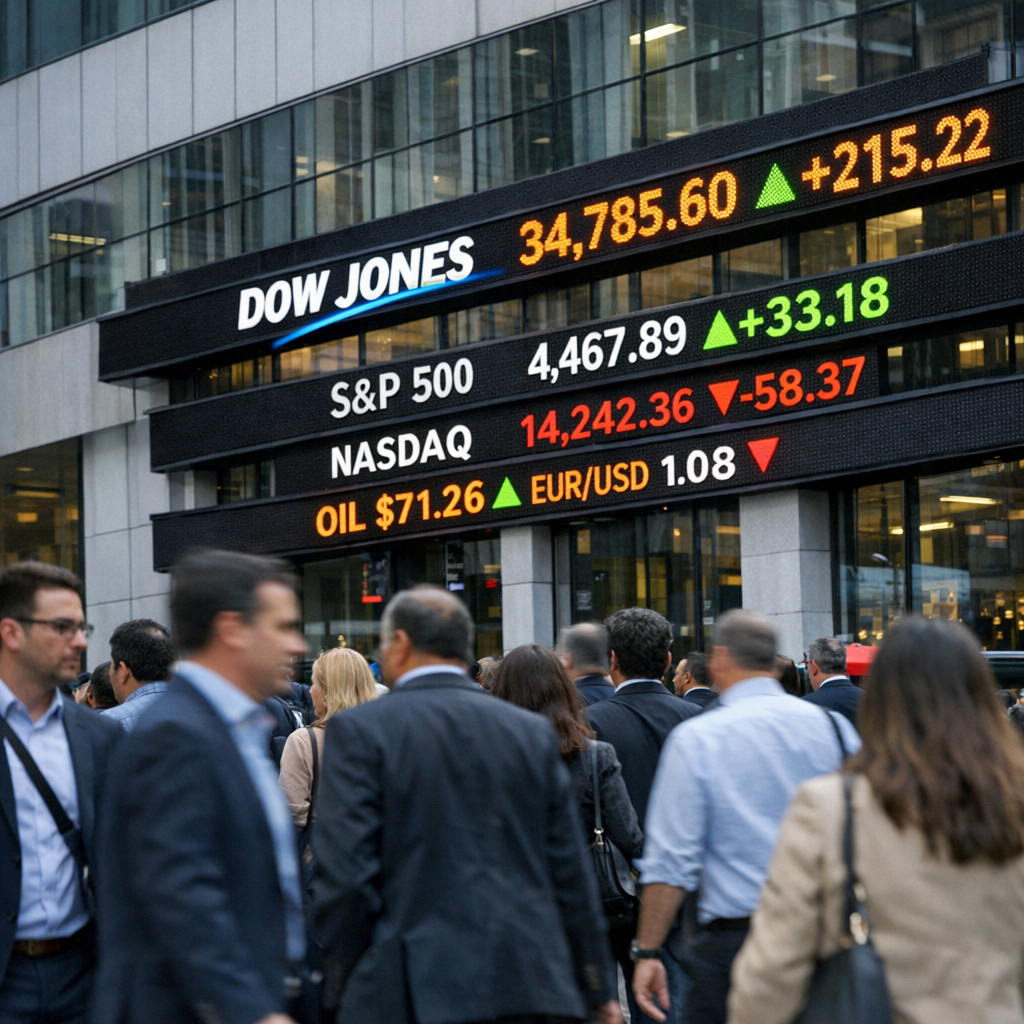
The U.S. economy is currently experiencing a period of cautious optimism, with several indicators pointing towards growth, albeit with underlying challenges that warrant attention.
Economic Growth and Inflation
Recent data indicates that the economy is expanding, though at a slower pace than anticipated. The Federal Reserve’s GDPNow tracker signaled a 2.8% contraction for the first quarter of 2025, raising concerns about the potential for a recession. Inflation has reached 4.2%, the highest in three years, influenced by factors such as rising energy prices due to geopolitical tensions. This inflationary pressure complicates the Federal Reserve’s decisions on interest rates, balancing the need to control inflation without stifling growth.
Labor Market Dynamics
The labor market shows resilience, with steady job growth and an unemployment rate holding at 4.2%. However, long-term unemployment is on the rise, and certain sectors face labor shortages. For instance, urban economies in North Carolina are feeling the pinch from a reduced immigrant labor supply, which could have broader implications for similar regions across the country.
Trade Policies and Global Relations
Trade policies continue to impact the economic landscape. The administration’s proposed tariffs, set to go into effect in July 2026, have introduced uncertainty in financial markets. Additionally, recent military actions in the Middle East have led to fluctuations in oil prices, further influencing economic stability.
Looking Ahead
While the economy demonstrates signs of growth, the interplay of inflation, labor market shifts, and trade policies presents a complex scenario. Staying informed and adaptable will be crucial for businesses and individuals navigating this evolving economic environment.