

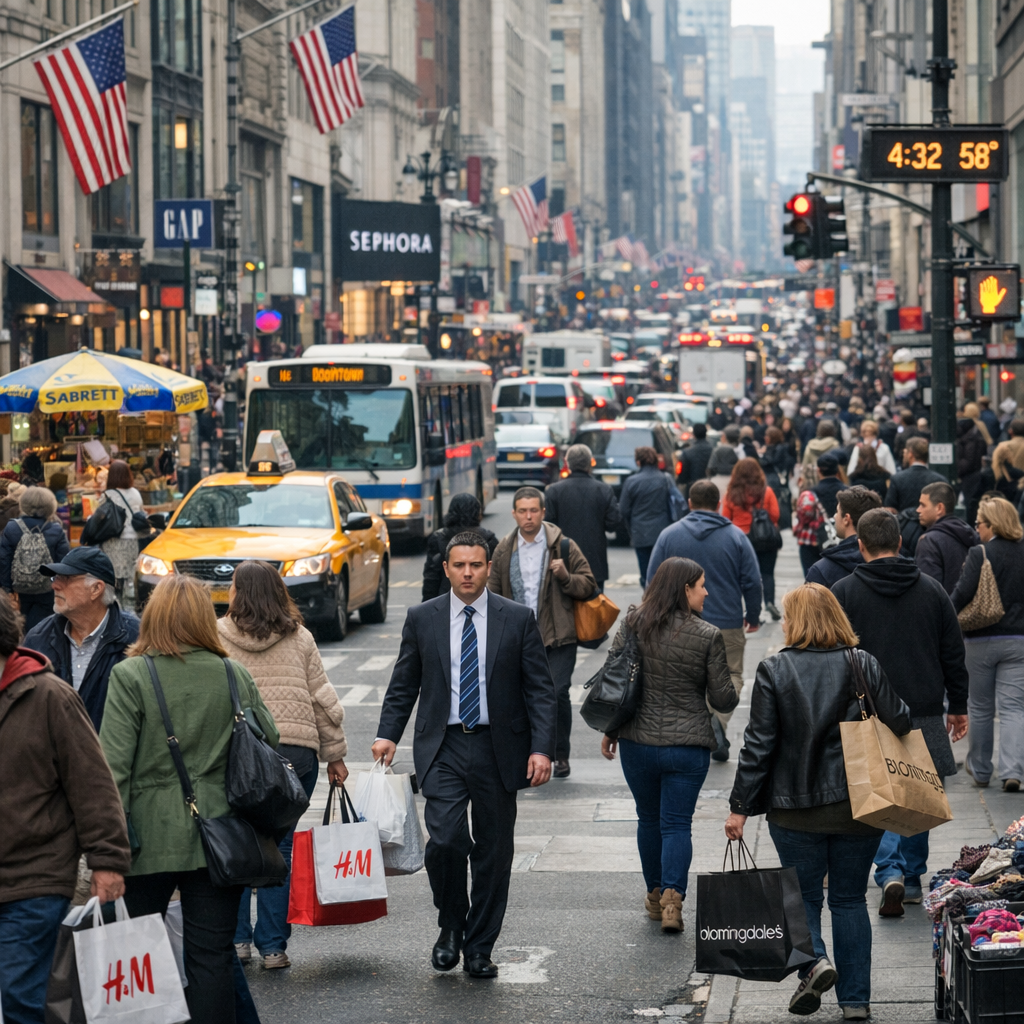
The U.S. economy is currently experiencing a complex interplay of factors affecting growth, inflation, and employment. Understanding these elements is crucial for both policymakers and the public.
Economic Growth
Recent data indicates that the U.S. economy expanded at a sluggish 0.7% annual rate in the fourth quarter, reflecting challenges such as the previous government shutdown and ongoing global uncertainties. This growth rate underscores the need for strategic economic policies to bolster expansion.
Inflation Trends
Inflation has surged to 3.3%, influenced by factors including the Iran war, which has led to energy price shocks. This increase in inflation affects consumer purchasing power and poses challenges for monetary policy aimed at maintaining price stability.
Employment Landscape
Despite economic strains, the job market has shown resilience, with 172,000 jobs added in May. However, many Americans remain frustrated by rising prices and economic uncertainties, highlighting the need for policies that address both employment opportunities and cost-of-living concerns.
Federal Reserve Policies
The Federal Reserve has maintained interest rates, with projections indicating a potential rate cut in the near future. These decisions are influenced by the need to balance economic growth with inflation control, especially in light of external factors like the Iran war.
Consumer Confidence
Consumer confidence has been dented due to high gas prices and elevated inflation. This sentiment affects spending behaviors, which in turn impact overall economic growth. Addressing these concerns is vital for sustaining consumer-driven economic activity.
In summary, the U.S. economy is navigating a period of modest growth, rising inflation, and a resilient yet cautious labor market. Ongoing monitoring and adaptive policies will be essential to address these multifaceted challenges.