

The U.S. economy is currently experiencing a complex mix of growth and challenges. Recent data indicates a robust job market, with 172,000 jobs added in May, maintaining the unemployment rate at a low 4.3%. This marks the strongest hiring growth since early 2024, with significant gains in sectors such as local government, hospitality, and healthcare.
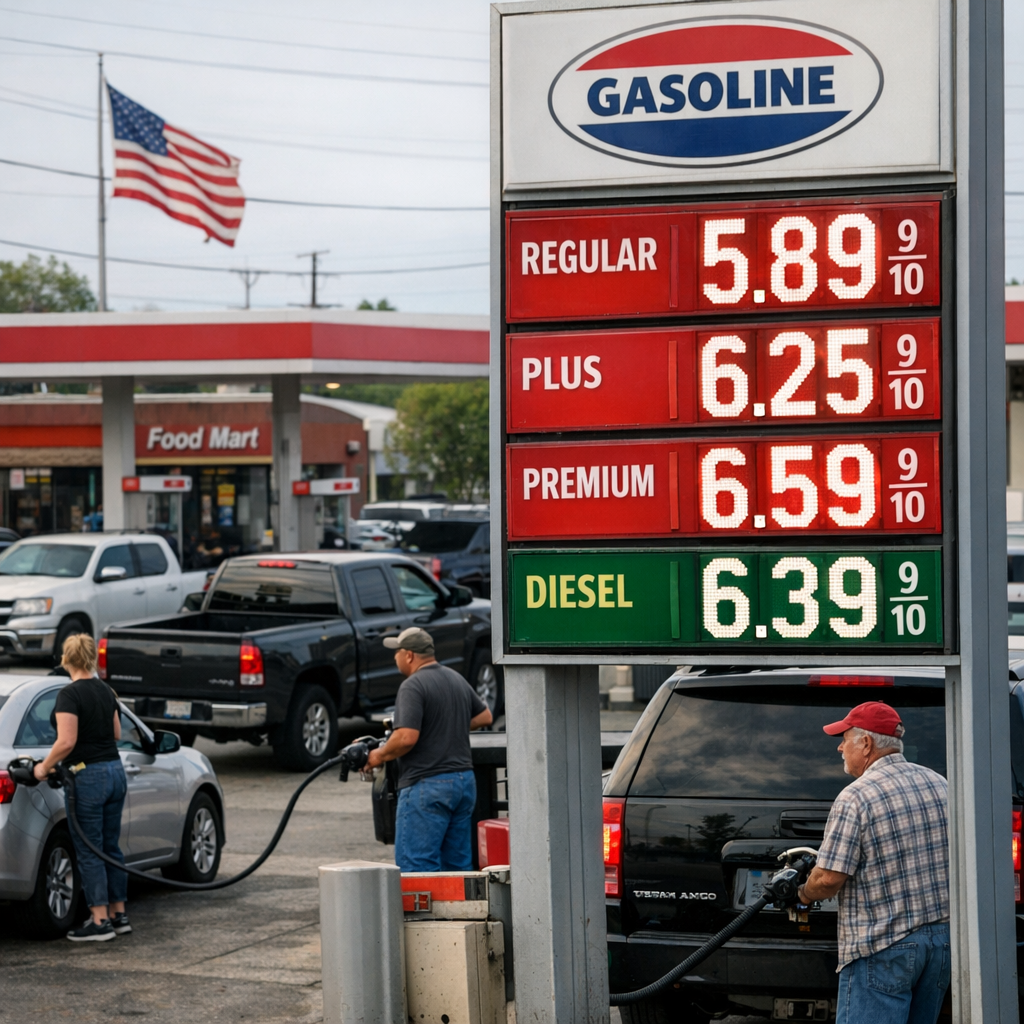
However, inflation remains a pressing concern. In April, inflation rose to 3.8%, the highest in nearly three years. This uptick is largely attributed to elevated energy prices, influenced by geopolitical tensions, including military actions that have disrupted oil supplies. Consequently, gas prices have surged, averaging over $4.50 nationally and exceeding $5 in several states.
Public sentiment reflects these economic pressures. A recent Reuters/Ipsos poll reveals that 70% of Americans disapprove of the administration’s handling of the cost-of-living crisis. This dissatisfaction is further underscored by a YouGov/Economist poll, which shows only 29% approval of the current economic management, marking a significant decline from previous terms.
Despite these challenges, certain sectors are showing resilience. Businesses like Uncle Giuseppe’s grocery and baby-products company Lalo are actively hiring, though they face difficulties in recruiting talent. Additionally, investments in artificial intelligence and recent Supreme Court rulings against tariffs have contributed to economic momentum.
As the midterm elections approach, the economy remains a pivotal issue. The combination of job growth and inflationary pressures presents a nuanced landscape for policymakers and voters alike.