

As we navigate the complexities of the current U.S. political and economic landscape, several key developments have emerged that warrant attention.
Political Climate and Public Sentiment
Recent polling indicates a significant level of public concern regarding the state of the nation’s political system. Approximately one-third of Americans identify politics and government as the most pressing issues facing the country. This sentiment is particularly pronounced among older demographics, while younger individuals tend to focus more on economic challenges such as housing affordability and basic needs.
Economic Indicators and Federal Reserve Actions
The U.S. economy continues to exhibit resilience, with the International Monetary Fund (IMF) projecting a growth rate of 2.4% in the fourth quarter of 2026, up from 2.2% the previous year. Unemployment is expected to decline from 4.5% in late 2025 to 4.1% in 2026. However, the IMF has also highlighted concerns regarding rising federal budget deficits, which could pose risks to economic stability.
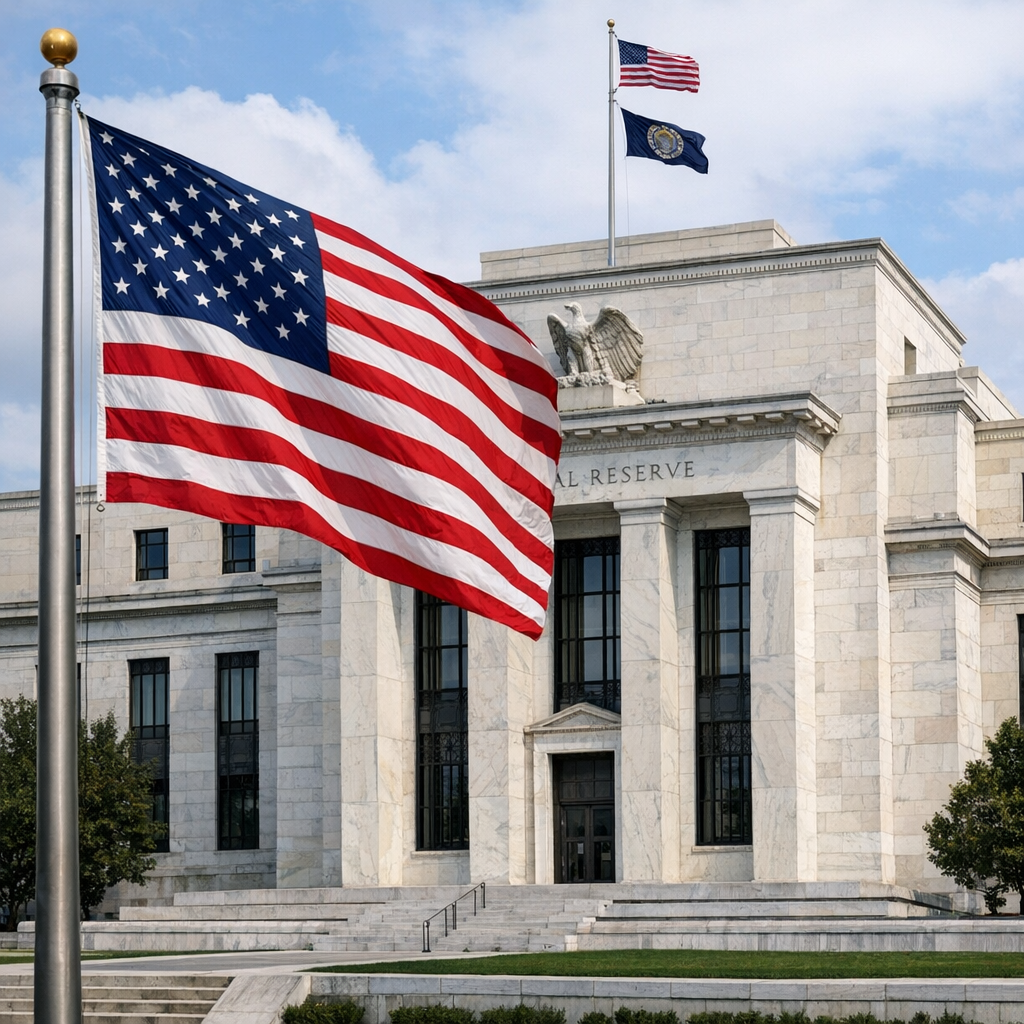
In response to these economic conditions, the Federal Reserve has maintained its benchmark interest rate at 3.6%, with potential adjustments contingent upon labor market performance and inflation trends.
Trade Relations and Global Market Dynamics
Trade relations continue to play a pivotal role in shaping the U.S. economy. Recent negotiations have led to a new trade agreement with India, reflecting ongoing shifts in global supply chains and energy politics. Additionally, the U.S. has engaged in military actions near the Strait of Hormuz, aiming to protect commercial shipping routes and maintain stability in global energy markets.
Implications for Local Communities
For communities like Stillwater, Minnesota, these national developments have tangible local impacts. Economic growth and employment trends influence job opportunities and business conditions, while political sentiments can affect community cohesion and civic engagement. Staying informed about these broader issues enables residents to better understand and navigate the challenges and opportunities within their own community.