

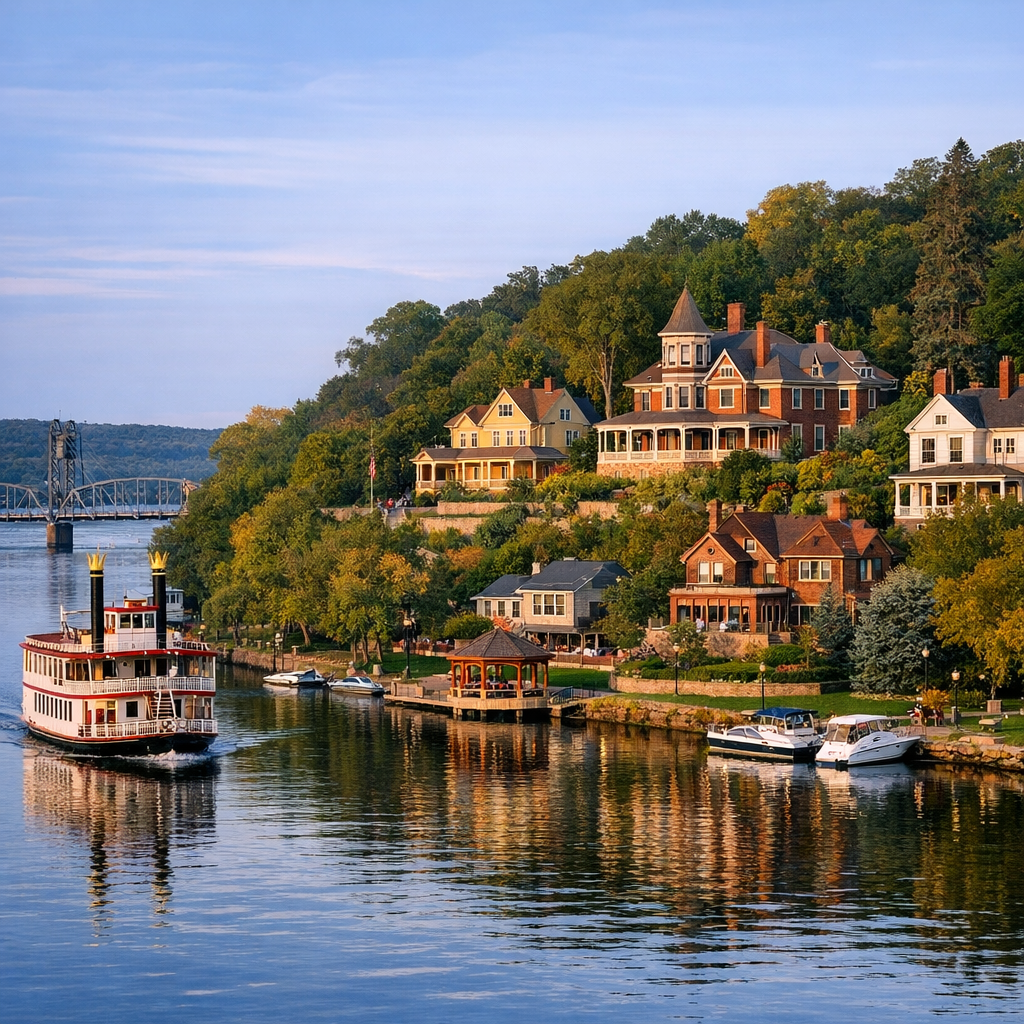
Stillwater, Minnesota, renowned for its historic charm and scenic St. Croix River views, continues to attract homebuyers and investors alike. Understanding the current real estate market dynamics is essential for those considering buying, selling, or investing in the area.
Current Market Trends
As of April 2026, the median home value in Stillwater stands at approximately $450,923, reflecting a 3.7% increase over the past year. Homes typically go pending in around 25 days, indicating a brisk market pace. The median listing price is $449,950, with active listings totaling 116, marking a 15% increase compared to the previous year. Notably, the median sold price has risen by 20.27% year-over-year, reaching $528,000. These figures suggest a competitive market with rising property values.
Rental Market Insights
For those considering renting in Stillwater, the median rent is approximately $2,550 per month, with 13 rental properties currently available. This stability in rental prices offers predictability for tenants, while the limited inventory underscores the demand for rental properties in the area.
New Developments and Construction
Stillwater’s appeal is further enhanced by ongoing new construction projects. The city boasts five active builders specializing in high-quality residences that complement its distinctive character. These developments provide prospective buyers with modern housing options that blend seamlessly with Stillwater’s historic ambiance.
Neighborhood Highlights
Downtown Stillwater remains a focal point for many buyers, offering a mix of historic homes and modern amenities. However, the median sale price in this area has seen a 21.6% decrease compared to last year, now at $430,000. Homes in Downtown Stillwater average 75 days on the market, indicating a shift that potential buyers and sellers should consider when making decisions.
Conclusion
Stillwater’s real estate market presents a dynamic landscape with opportunities for buyers, sellers, and investors. Staying informed about current trends, understanding neighborhood-specific data, and considering new developments are crucial steps for making informed decisions in this evolving market.