

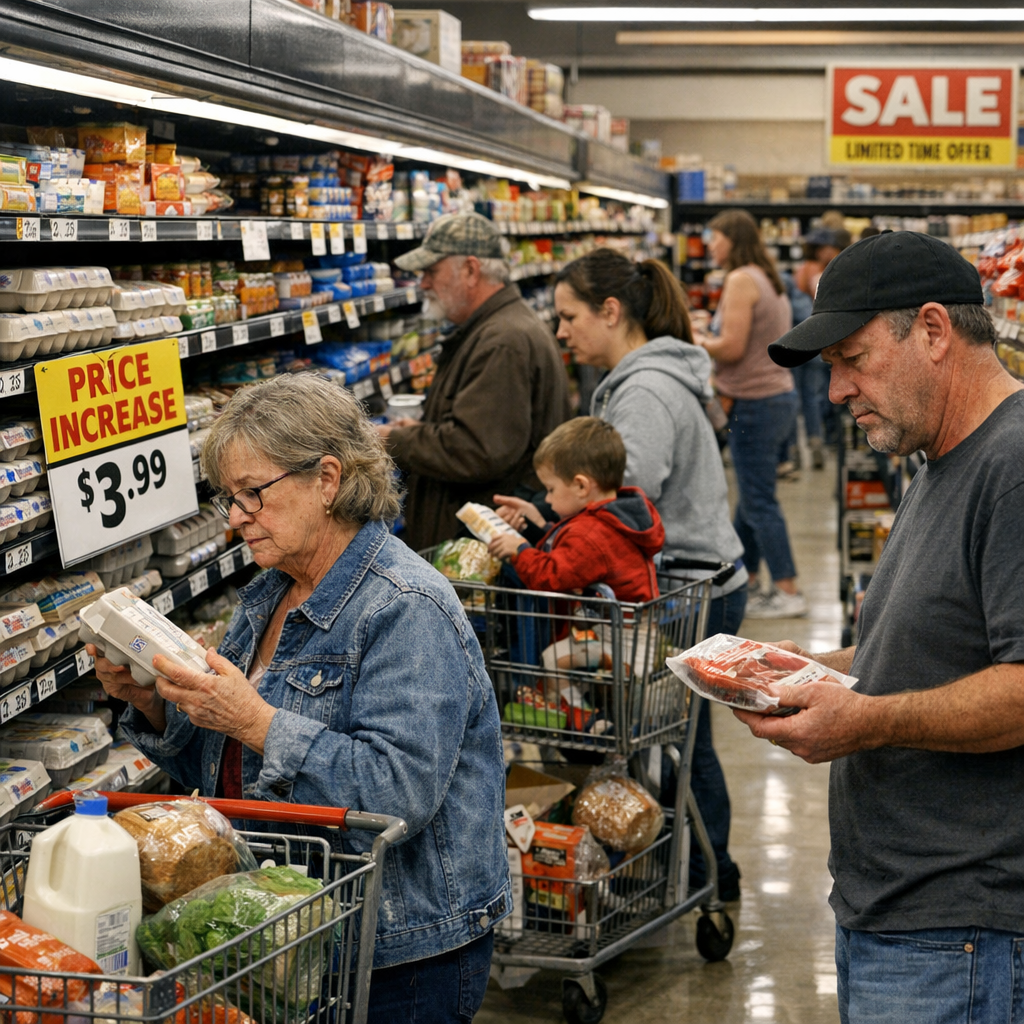
In recent times, the United States has faced a series of economic challenges influenced by both international conflicts and domestic issues. Despite these hurdles, the nation’s economy and consumer sentiment have demonstrated notable resilience.
Global Conflicts and Economic Impacts
The ongoing tensions in the Middle East, particularly the U.S.-Iran conflict, have had significant repercussions on global oil prices. This escalation has led to a surge in gasoline prices, with averages nearing $5 per gallon. Such increases have a cascading effect on various sectors, notably agriculture and transportation, thereby contributing to overall inflationary pressures.
Inflation and Consumer Sentiment
Inflation remains a pressing concern for many Americans. Recent data indicates that inflation stood at 4.2% in May 2026, with grocery prices rising by 2.7% from the previous month and an 18% increase since 2022. Essential commodities like beef, milk, and poultry have seen sharp price hikes, making daily expenses more burdensome for households.
Despite these challenges, consumer spending has shown resilience. Bank of America’s CEO, Brian Moynihan, highlighted a 6% increase in consumer spending in the second quarter compared to the previous year, suggesting a projected economic growth of at least 2% for the year.
Political Landscape and Economic Policies
The political environment plays a crucial role in shaping economic policies and public sentiment. Recent polls indicate a 40% approval rating for President Donald J. Trump as of May 24, 2026. Additionally, the direction of the country is viewed positively by 34% of respondents, while 60% believe it is on the wrong track. These perceptions can influence consumer confidence and spending behaviors.
Looking Ahead
As the nation approaches the 2026 midterm elections, economic issues are expected to be at the forefront of political discourse. Voters will likely scrutinize candidates’ positions on inflation control, international trade policies, and strategies to bolster economic growth amid global uncertainties.
In conclusion, while the U.S. economy faces challenges from both international and domestic fronts, the resilience of consumer spending and the adaptability of businesses provide a foundation for navigating these turbulent times. Staying informed and engaged will be essential for citizens as they make decisions that will shape the nation’s economic future.