

By Liam Anderson
Economy & Inflation: Resilience with Rising Concerns
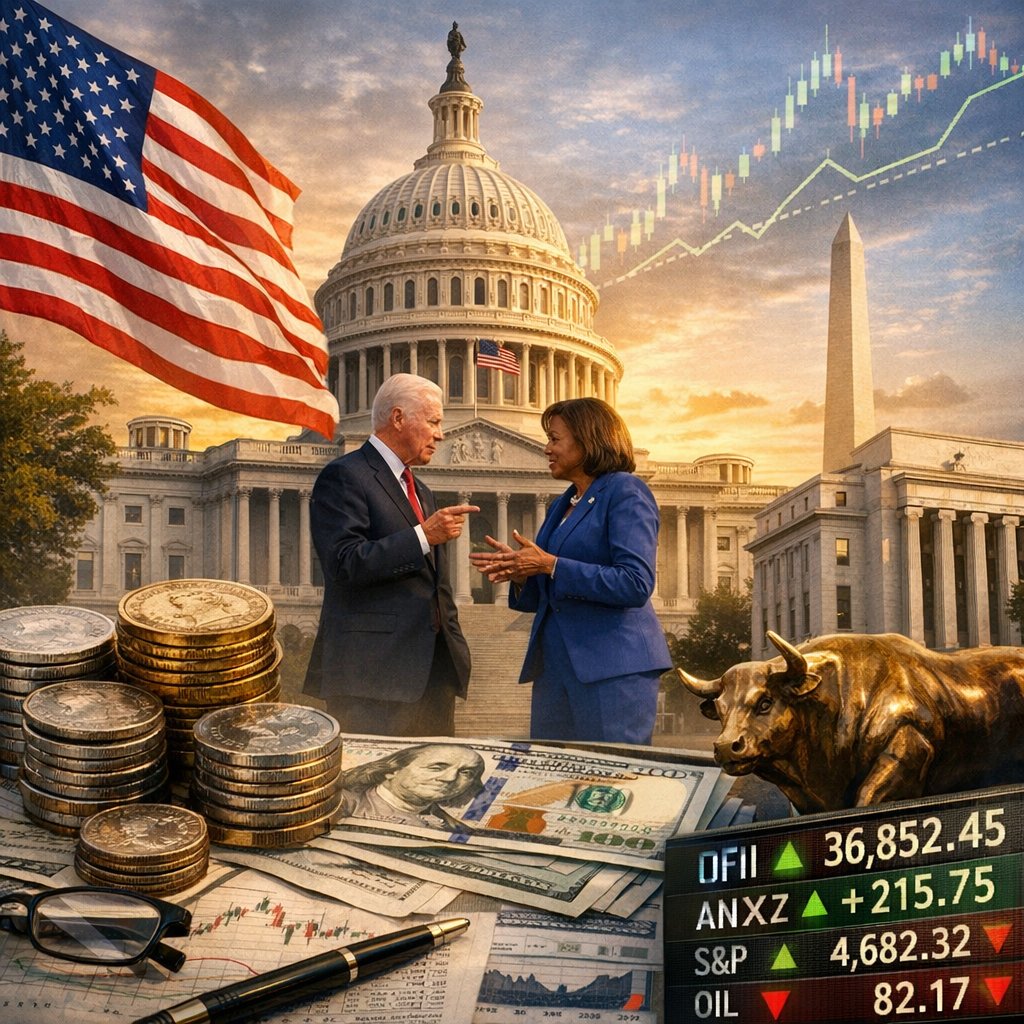
The U.S. economy continues to grow at a modest pace despite numerous headwinds—tariffs, volatile energy prices, and rising costs for consumer goods. Real GDP rose around 2.1% in early 2026, a sign of strength, yet many Americans remain uneasy. Inflation slipped somewhat to about 3.4–3.5%, but persistent price pressures—especially for housing, food, and energy—keep relief elusive for many households.
Public sentiment reflects that unease. Less than a quarter of Americans rate current economic conditions as “excellent” or “good.” Many worry that recent gains may not last as geopolitical tensions and supply chain disruptions threaten stability and affordability.
Politics & Power: Free Press, Foreign Policy, Governance
Freedom of the press has emerged as a flashpoint in recent weeks. Major media outlets have taken legal action over restricted access to White House operations, framing the issue as a struggle between governmental power and constitutional rights. These developments underscore broader questions about transparency and accountability in governance.
At the same time, foreign policy remains tightly interwoven with domestic politics. Speechmaking at global forums and decisions related to national security are increasingly framed through partisan lenses. International relationships, trade, and global conflict—especially tensions in the Middle East—are now major topics in domestic political debates.
Regulation & Technology: The AI-Economy Crossroads
Digital regulation has become a central issue as artificial intelligence increasingly shapes economic activity. The push for new policies around data privacy, ethical standards, and children’s online safety reflects widespread concern about how emerging technologies affect society. Congressional and federal agencies are exploring frameworks to bring oversight without stifling innovation.
In particular, a boom in AI infrastructure—servers, energy use, and data center expansion—is contributing to cost increases that ripple through industries. As regulation moves forward, the balance between protecting consumer rights and fostering competitiveness remains delicate.
Looking Ahead
With midterm elections approaching, many of these trends—economic anxiety, debates over civil liberties, and the rise of AI policy—are poised to become even more central to national political discourse. How government addresses inflation, press access, and regulation will play a significant role in shaping public trust and policy direction for months to come.