

By Michael Williams
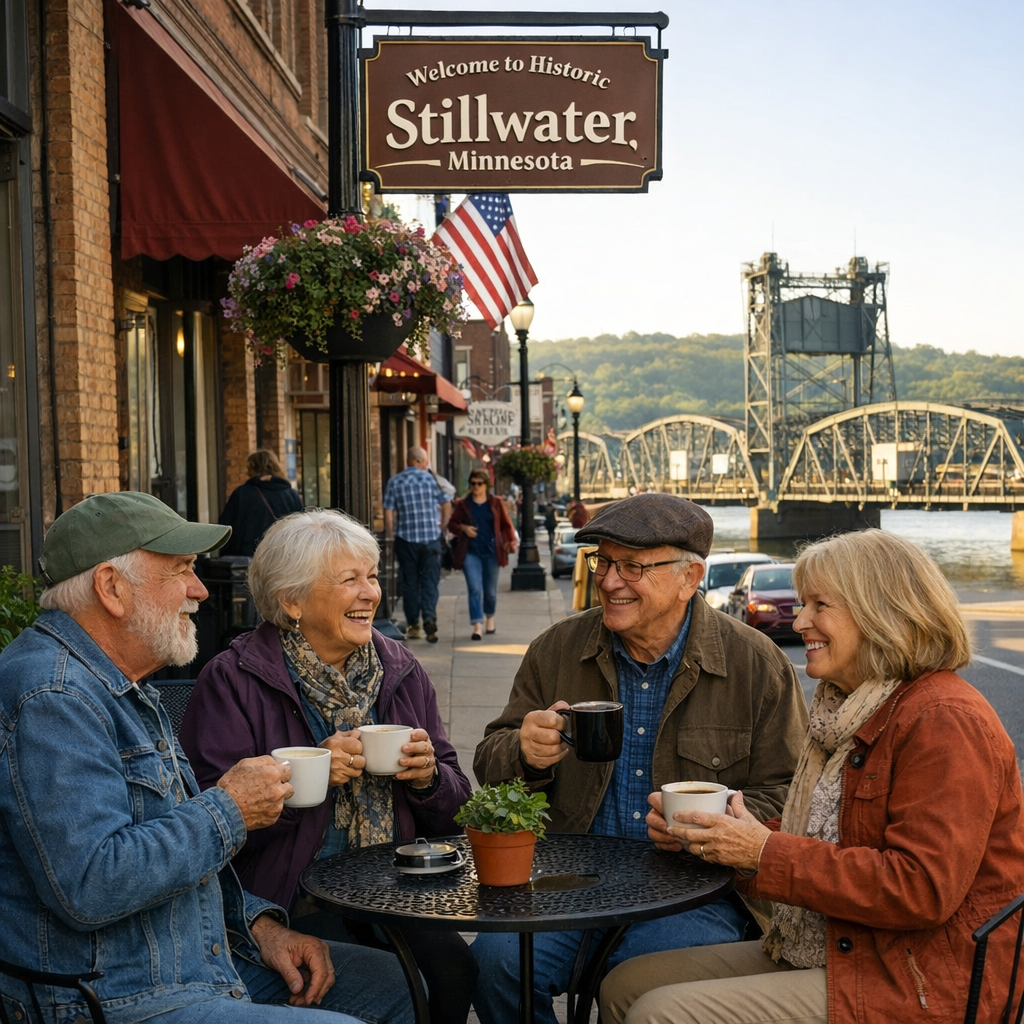
Stillwater dazzles. We’ve got the river, the historic lift bridge, cozy cafés tucked between heritage buildings. Each weekend, people come for the views, the food, the vibe. But for those who live here year-round, there’s another story — one about connection, identity, and the daily work of making Stillwater home once the festivals pass and the tourist crowds thin.
The Push and Pull of Small-Town Charm
One of the first things many newcomers notice is how friendly people are—polite greetings, garden tips over the fence, kids walking to the river. It’s part of what draws people here. Yet there’s also a sense that Stillwater guards its rhythms. Outsiders sometimes tell me it’s harder to break in socially than they expected. Local events, PTA meetings, neighborhood groups—they’re welcoming, but they don’t always advertise where newcomers can plug in.
For those who grew up here or whose families go back generations, there’s pride mixed with a bit of protectiveness. Traditions—festivals, river journeys, the lift bridge rituals—carry weight. Preserving what feels special can clash sometimes with growth, change, or new voices.
Behind the Riverfront Glow: Weekend Woes and Resident Realities
Downtown shines, especially during warm months. But weekend traffic and rising parking fees are real issues for people who live here full-time. Families working shifts, folks commuting to the cities, seniors trying to enjoy the riverwalk—all face logjams and limited close parking. There are also concerns about noise: revving vehicles, crowds late at night, and conflicts between tourist culture and quiet home living. It’s not that people are against visitors—it’s the balance that matters.
Then there’s housing. Some homes are priced well above what many local workers can afford. Rental markets fluctuate with demand, especially in scenic or historic areas. That puts pressure on older residents who’ve already carried the character of each neighborhood through storms, winters, and changing city plans.
Steps Toward Belonging
If you’re new—or even just looking to feel more rooted—some paths already exist:
- Volunteer. The library, Community Thread, Zephyr Theatre, youth sports organizations—these are places where you help, learn, and meet people who care about Stillwater’s heartbeat.
- Attend neighborhood or city planning meetings. Speaking up about sidewalks, traffic, green space—these aren’t just civic chores. They’re chances to make your voice part of Stillwater’s ongoing story.
- Support small businesses. The independent shops, restaurants, galleries—they’re often run by locals with deep attachment to the place. When you’re there, so are you.
Inviting New Voices In
One of the resilient tendencies here is that change happens slowly. But Stillwater has the capacity—and the need—for evolving its idea of community. That might mean making sure event schedules vary; that meeting formats are welcoming to newcomers with tight schedules or mobility issues; that communication isn’t just posted on platforms some people don’t use.
Belonging isn’t a Golden Hour photo—it’s the quiet moments: chatting with the barista, meeting neighbors at youth sports, fixing up a park bench with others. It’s not instant, but it’s possible.
What Stillwater Thrives On—and What We Risk Losing
The things that make Stillwater special—the river views, the heritage architecture, the sense of gathering—depend on people who care. Newcomers who seek connection, long-time residents who steward the stories, city leaders who listen. If we don’t balance visitor tourism with resident life, if we don’t invest in everyday infrastructure, in affordable options, in deepening connection—Stillwater can drift toward becoming more postcard than place.
Stillwater belongs to more than those who walk its Main Street for an afternoon. It belongs to anyone who lives here, works here, dreams here. Our job is to make room—for every flag that flies, for every voice that settles in, for every neighbor we haven’t met yet.