

By James Larson
Stillwater sits at the lineup of Minnesota’s climate tapestry: long winters, warm summers, frequent precipitation, and growing environmental pressures. From the snow-covered River Valley to midsummer downpours, the seasonal shifts shape daily life here—and environmental topics like water quality and contaminants are increasingly front and center.
Seasonal Patterns in Stillwater
Through the year, Stillwater’s climate shows defining ups and downs:
- Winter: Cold and snowy. January nights often dip near 5–9 °F with daytime highs in the 20s or low 30s. Snow tends to accumulate, though lingering snowpack melts by spring.
- Spring: A gradual warm-up. Frosts linger into April. By late May, the risk of freeze drops for many plants and crops. Showers become more frequent as temperatures rise. This is a transition period for both ecosystems and residents.
- Summer: Warm and humid. July highs average in the upper 70s to low 80s °F. Afternoon thunderstorms and heavy rain are common. Days are long, greenery is full, and outdoor life blooms.
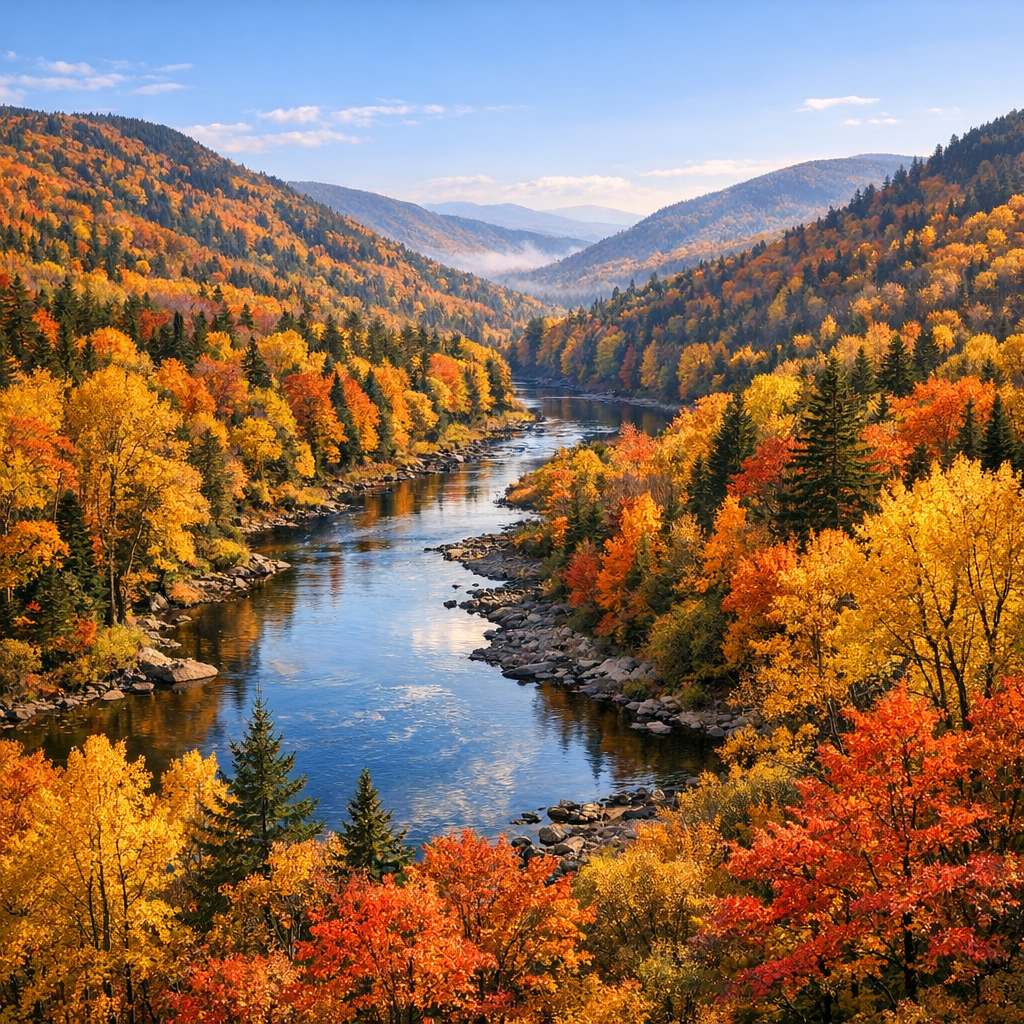
- Fall: Cooling quickly. September often brings crisp air. Trees change color. Rainfall tapers off after summer peak. Nights grow cold. By late October or November, snow becomes more likely.
Emerging Environmental Concerns
PFAS “Forever Chemicals” in Local Water
PFAS compounds—sometimes called “forever chemicals”—are drawing attention locally. Some Stillwater city wells have been found to exceed both Minnesota’s health-based guidance values and the federal maximum contaminant levels. The city is working toward long-term treatment solutions and collaborating with state public health authorities to monitor and reduce PFAS exposure over time.
Water Quality and Pollution Trends
Across Minnesota, there is detectable progress: phosphorus in rivers has stabilized or is decreasing, nitrate increases have slowed, and aquatic habitat indicators are showing improvement. However, closed landfills remain a concern, particularly where PFAS contamination exceeds criteria that protect drinking water.
Why These Changes Matter
Seasonal shifts aren’t just weather trivia—they influence everything from gardening and ag activity to health risks. Unexpected freezes or warm spells can harm plants. Heavy rains may increase runoff of fertilizers or pollutants. Longer warm seasons can intensify pest pressure or air quality issues.
How Stillwater Can Respond and Adapt
- Invest in water treatment upgrading, especially for PFAS removal in public water systems.
- Use native landscaping and green infrastructure to reduce runoff and support local ecosystems.
- Monitor changing freeze and thaw dates to time agricultural activities and protect vulnerable vegetation.
- Support public policy efforts that address climate change, pollution regulation, and environmental health.
- Stay informed—city reports, state monitoring programs, and community science offer ways to engage and learn.
Stillwater’s seasons bring beauty, challenges, and responsibilities. By knowing how our climate works and facing emerging environmental issues head on, we strengthen our community—so that winters, summers, springs, and falls all remain vibrant for generations ahead.