

By Michael Williams
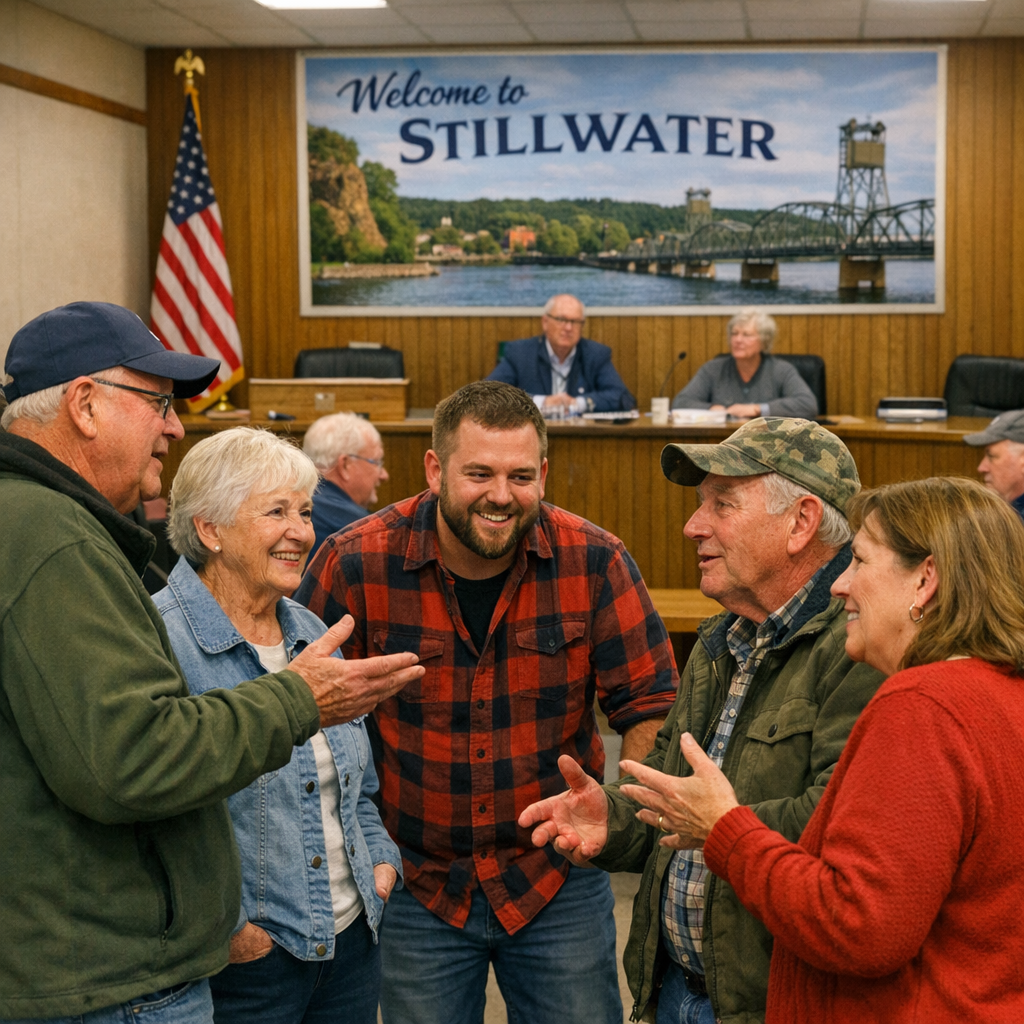
I’ve spent time talking with people around town—on porches, at the grocery store, during community meetings—and I hear some common threads and honest frustrations. Stillwater is beautiful, unique, and full of spirit. But “lovely river-town charm” isn’t quite enough. Folks want a place that works for everyone: residents, newcomers, longtime families. Here’s a view into what people in Stillwater are saying, and what I think it points to.
Tourism vs. Everyday Life
Almost everyone I spoke with loves the riverfront, the old brick buildings, the art galleries, the festivals. But many say the tourism in downtown—especially during summer weekends—brings trouble: traffic, crowded sidewalks, expensive parking, noise. Residents feel the balance is tipping toward serving visitors more than those who live here year-round.
One longtime resident told me downtown feels like an outdoor mall with postcards. They miss being able to run errands without hunting for parking or worrying about cars blocking views of the bluffs. Another said they appreciate the energy, but wonder if planning supports quality of life: sidewalks, green space, quieter zones.
Cost of Living and Housing
Affordable housing came up again and again. Rent feels high. Homes—especially historic ones—are expensive to maintain. Young families and retirees both describe feeling squeezed: housing costs, property taxes, and long commutes to jobs outside town.
Some locals are concerned about new developments: Will they add needed housing stock? Or just luxury homes far beyond what many can afford? There’s interest in thoughtful infill, mixed housing types, and incentives to keep some units affordable.
Health, Education, and Community Support
Mental health services is another theme. Almost every conversation I had circles back to wanting more options for behavioral health—not just crisis care, but prevention, counseling, peer support. The conversations are as much personal as policy: stories of neighbors waiting weeks for help, or driving far because services close by are too costly.
Meanwhile, Stillwater Area Public Schools are generally praised. People appreciate dedicated teachers and strong community support. But concerns persist: growing class sizes, administrative turnover, and resource pressures in some elementary schools—especially those balancing special education, academics, and arts programs.
What People Suggest
- Focus on walkability and pedestrian-friendly design downtown—not just for tourists, but for residents year-round. Improved sidewalks, better traffic flow, designated quiet hours.
- Support for affordable housing—more mixed income developments, rehabilitation grants, property tax relief, and options for young families, retirees, and those on fixed incomes.
- Increase access to mental health care: more therapists willing to take insurance, more community awareness, stronger support networks.
- Preserve community voices in planning—more public input, more transparency, an eye toward long-term benefit rather than short-term profit.
So, What Might Make a Difference
From what I gathered, Stillwater has an opportunity to shape its future in ways that honor fair trade-offs. We can keep tourists and festivals—that brings joy and dollars—but ensure those don’t drown out daily life for residents. We can build new homes without losing affordability. We can strengthen health and education without tearing at what makes this town feel like home.
These are not easy fixes. They take policy choices, funding, and persistent civic engagement. But what’s clear is that people in Stillwater want to be heard. And if we listen—as a community—together, what emerges can be a place where both pride and practical living are rooted, equally.