

By James Larson
Stillwater is known for its scenic riverfronts, lakes, and snowy winters—but subtle shifts in weather and environment are reshaping that picture. Understanding what’s changing can help us prepare and preserve the natural features we love.
Shorter winters & shrinking ice cover
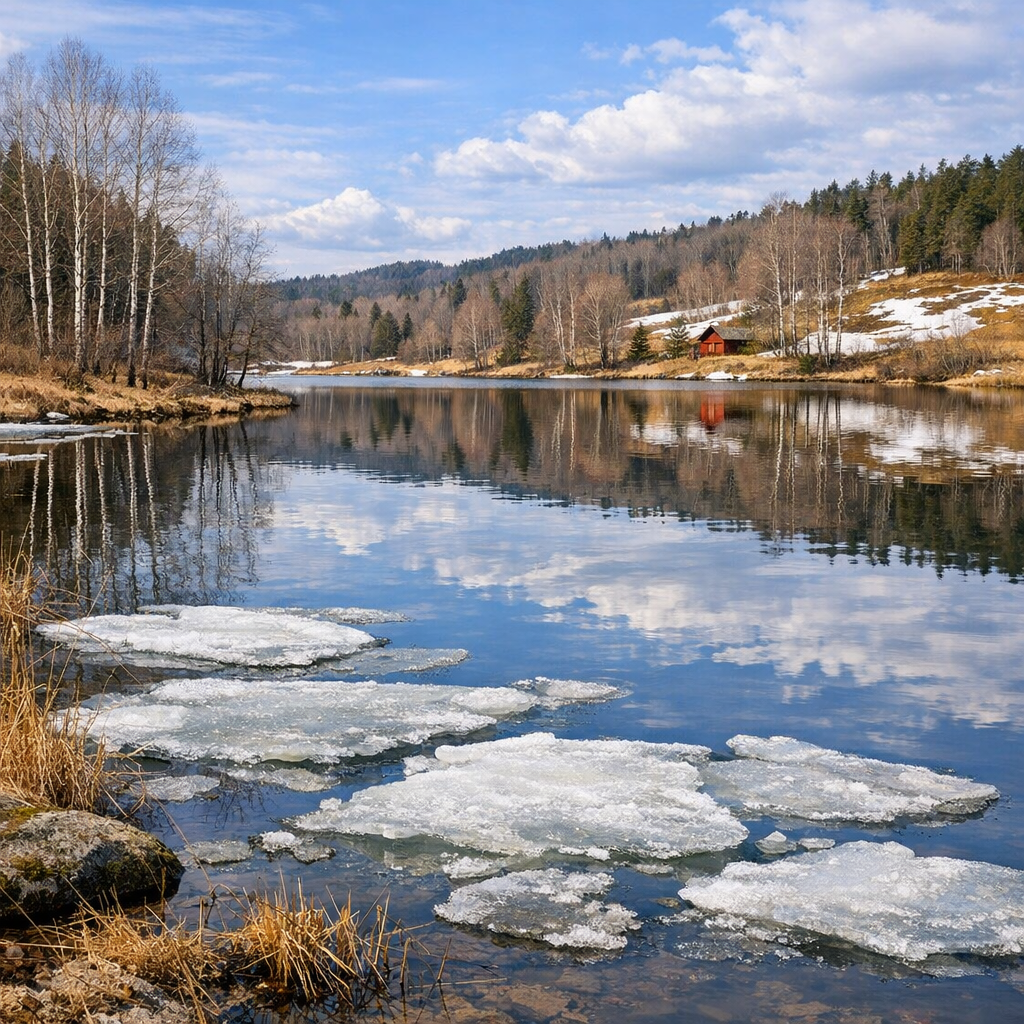
Over the past several decades, Minnesota—including the Stillwater area—has seen winters warming faster than other seasons. Statewide average winter temperatures have increased substantially, especially nighttime lows. As a result, lakes are freezing later and thawing earlier. Studies show an average loss of about 10–14 days of ice-covered water compared to 50 years ago. Ice-on (freeze) dates have moved later in fall by around nine days, while ice-off (thaw) dates are arriving about four to five days earlier. These changes affect ice fishing, skating, and even aquatic ecosystems.
Why it matters locally
- Recreational activities like snowmobiling and ice fishing may have shorter seasons.
- Fish species adapted to cold, limpid waters may decline, while warm-water species move in.
Rainfall patterns: more extremes, wetter springs, drier summers
The amount and intensity of precipitation in Minnesota has shifted. While overall rainfall is increasing, it is arriving in heavier bursts—leading to greater risk of flash flooding in some periods. Springs tend to be wetter and summers more drought-prone. Even short dry spells can stress gardens, crops, and trees. Meanwhile, heavy rains can overload stormwater infrastructure and affect water quality in lakes and rivers.
Changing ecosystems & wildlife rhythms
Plants and animals in the region are adjusting to new timing cues. Migratory birds are returning earlier in the year; flowering plants are blooming earlier. Some species now find food or nesting seasons out of sync with weather patterns. Tree species like paper birch, balsam fir and spruce are under pressure from milder winters; species more tolerant of warmth, like certain maples and oaks, may gradually take hold.
Looking ahead: what Stillwater can do
As we adapt, there are several ways local action helps:
- Support projects to improve stormwater management—buffer strips, rain gardens, and wetlands reduce runoff into Long Lake and other bodies.
- Monitor and protect lake health—to preserve fish habitat and limit algae blooms that thrive in warmer water.
- Track local climate data—partner with state or regional programs to document snow cover, freeze-thaw cycles, and precipitation flow to inform planning.
- Preserve green spaces with native species—trees and plants adapted to changing temperatures help retain habitat and cooling effects.
While these weather-environment shifts are gradual, their cumulative effects are real—touching life, nature, and culture in Stillwater. Paying attention and acting now can help preserve what makes this place special.