

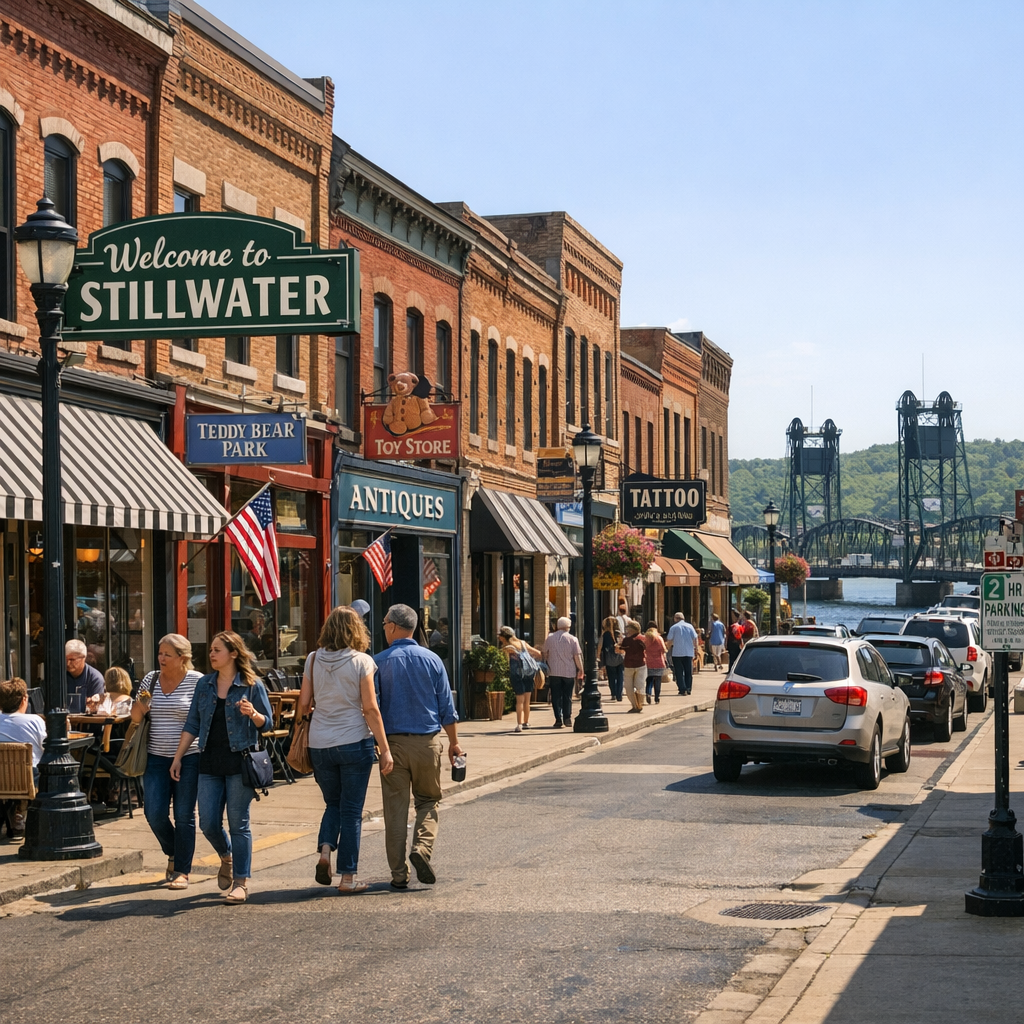
Stillwater’s economic landscape is changing in ways that matter for business owners, employees, and anyone thinking of launching something new. Here are several enduring trends shaping our local business climate—what you should know and how it all fits together.
Income Growth, Housing Costs & Lifestyle Choices
Median household income in Stillwater has climbed markedly, from around $70,000 in 2009 to more than $105,000 today. At the same time, median home values have jumped past $400,000, more than 50% higher than earlier in the decade. Rent is up too.�
These shifts reflect an increasingly affluent and educated population choosing Stillwater not just as a bedroom community but as a place to stay. But higher prices bring challenges—finding affordable space for new businesses, maintaining diversity among workers, and making sure growth doesn’t price out certain groups.
The Rise of Remote Work, Shorter Commutes, and Workforce Trends
One striking trend: working from home is much more common than it used to be. A remote work shift has also helped cut the average commute time to about 20 minutes. More people are also commuting into town for work, showing Stillwater is growing as an employment hub—not just depending on jobs elsewhere.
Educational attainment is high: more than 60% of adults hold a bachelor’s degree or better. That’s drawing in professional, scientific and technical services, and boosting what local workers expect from employers.
Business Mix and Job Growth
Stillwater has nearly 1,000 businesses, employing over 11,000 workers. Major sectors include healthcare/social assistance, retail, food & accommodation, and professional/technical services. The presence of 35 manufacturing businesses—employing almost 750—also remains meaningful.
Small businesses remain the backbone of the local economy. They provide local flavor, create opportunities for new entrepreneurs, and account for much of the recent job growth.
Support Systems & Economic Development Strategy
The City of Stillwater works with the Washington County Community Development Agency and other partners to provide business resources—financial programs, site selection help, and incentives. Things like Tax Increment Financing (TIF), tax abatement, and brownfield grants can help businesses, especially those overcoming startup or location hurdles.
Recent strategic plans focus on three core areas: supporting both long-standing legacy businesses and newer entrepreneurs; investing in workforce development; and improving property readiness (making sites available and ready for growth).
What This Means for Entrepreneurs and Workers
If you’re launching a small business in Stillwater, here’s what to consider:
- Expect higher costs—especially for rent or property development. Plan accordingly and explore incentive programs early.
- You may tap into a strong home-based / remote worker customer base.
- Skills and experience are in demand. Businesses that can offer remote flexibility, professional growth opportunities, or specialized services stand a good chance.
If you’re looking for work, the growth in healthcare, retail, tech services means more options—but competition can be high, especially in better-paying roles.
Looking Ahead
Stillwater seems set to keep growing more affluent, more remote-friendly, more entrepreneurial. The key will be preserving inclusivity—making sure newer businesses find space, housing remains accessible, and the workforce remains diverse while attracting new talent.
For our community, the challenge isn’t just how fast we grow. It’s how well.