

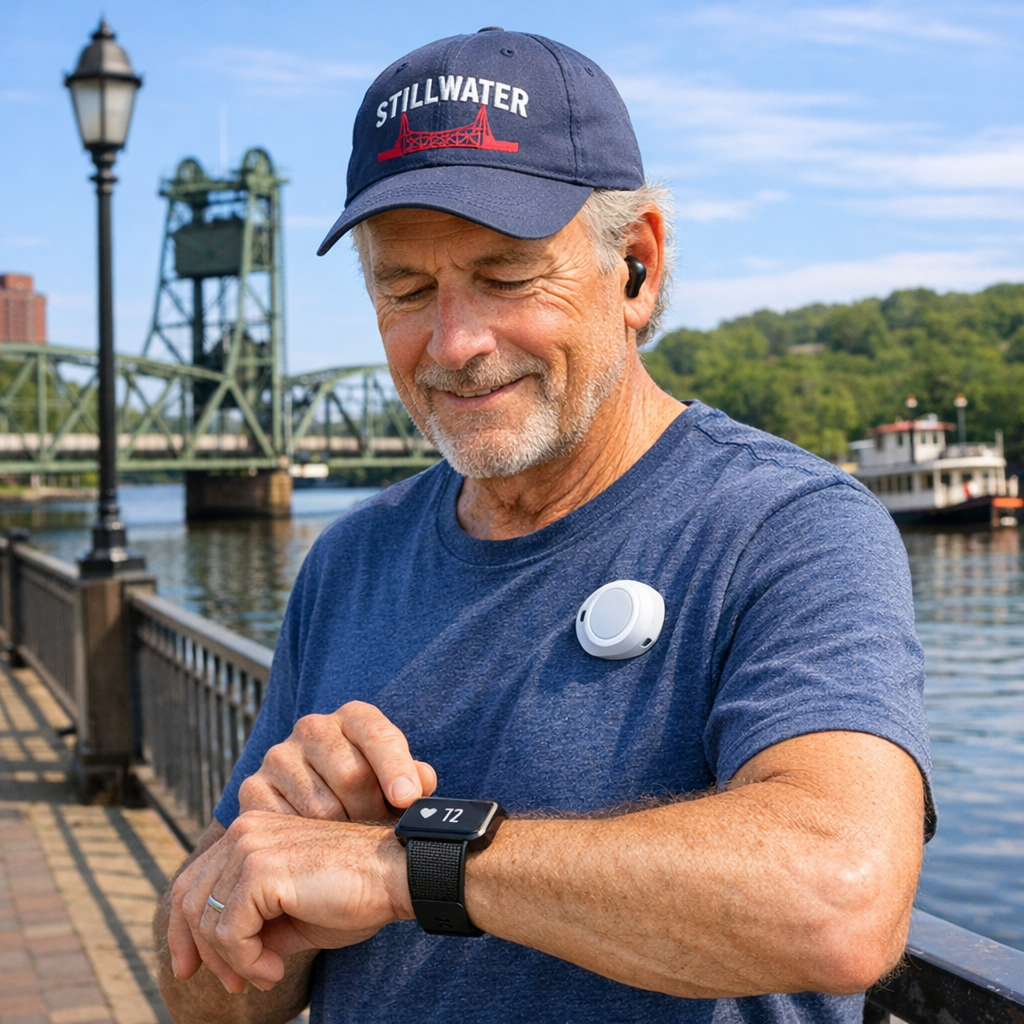
By now, many of us have used an AI-powered tool without even realizing it—whether it’s a smart thermostat adjusting the furnace based on what time you leave the house, or a wearable that tracks your sleep and nudges you toward healthier habits. These seem like futuristic conveniences, but they’re increasingly part of daily life—especially as the Twin Cities tech scene grows and local startups begin to stretch outward toward communities like Stillwater.
Everyday Gadgets That Do More Than You Expect
Here are some of the most useful AI gadgets people are bringing into their homes and routines:
- Wearable health rings and smartwatches: New devices have stepped beyond counting steps—many now monitor heart rhythm, stress levels, and sleep cycles, offering suggestions rather than just raw data.
- Smart speakers and displays: Once largely for setting timers or playing music, today’s versions understand context. They can help you plan based on what’s in your fridge, remind you when to leave for an appointment based on real-time traffic, or control your smart lighting.
- Hidden AI habits in regular appliances: Thermostats that learn your patterns, vacuums that map your home and avoid socks, even toothbrushes that give feedback on brushing—all these “silent” AI features make life smoother.
The Local Angle: Startups and Tech Ripples in Stillwater
While the biggest startups cluster around Minneapolis, their innovations affect storefronts, schools, and homes in Stillwater:
- Growth in the Twin Cities tech ecosystem: Companies in fintech, digital health, cybersecurity, and other sectors are expanding, fueling opportunity in surrounding communities.
- Startup culture reach: Local incubators and events often include founders or tech workers from smaller cities. Even if you’re not in the thick of it, the culture of experimentation and adoption tends to spread outward. For example, product demos in Minneapolis spark local curiosity and adoption in Stillwater.
- Technology access gaps to watch: A Microsoft report shows that rural Minnesotans use generative AI tools like ChatGPT or Gemini at lower rates than metro residents—something that highlights access as well as digital literacy as ongoing challenges.
Balancing Convenience, Privacy, and Value
As AI gadgets become more capable, they also raise important questions—especially for communities like Stillwater where trust and local identity matter.
- Data privacy: Devices that learn from your behavior often collect sensitive data. It matters whether processing happens locally on the device or in the cloud—and what companies you trust with that data.
- Subscription costs: Some features are free, but many advanced AI perks come with recurring fees—from advanced security alerts on cameras to personalized coaching from wearables. Consider the long-term costs.
- Purpose over novelty: The gadgets people truly use are those that fade into the background—silently helping. Choosing devices that solve specific daily needs rather than hype makes all the difference.
What’s Next for Stillwater Homes and Startups
Looking ahead, here are some trends likely to shape how tech integrates into daily life in our area:
- More startup-led innovation rooted in Minnesota: as local founders build tools for regional problems—whether in healthcare, public services, or small business—Stillwater stands to benefit from solutions made for our climate and culture.
- Edge AI devices: gadgets that process data locally rather than relying on always-on cloud connections—useful where internet service might fluctuate or for those wary of sharing every detail of their life.
- Wearables designed for inclusion and durability: devices built for all ages, styles, and abilities, and designed to last—not just for the next year’s model release.
Technology isn’t just something for big cities. In Stillwater, our choices about what devices we bring home, what startups we support, and what protections we demand determine whether AI adds power—or friction—to our everyday lives. Being thoughtful and informed turns possibility into real benefit.