

By Ava Peterson
In Minnesota, the technology landscape is evolving in ways that touch the routines and rhythms of our everyday lives. Across Stillwater, the Twin Cities, and beyond, artificial intelligence (AI), early-stage startups, and emerging gadgets are not just buzzwords—they’re shaping how we learn, heal, shop, and even put on a watch.
AI isn’t just for coding—it’s personal now
Recent nationwide surveys show that over half of U.S. workers report using AI for tasks like writing communications, summarizing information, searching for help, or generating ideas. Roughly a third of them say it saves them one to two hours each week. AI isn’t replacing people; it’s helping with repetitive or time-consuming tasks.
Minnesota startups blend tech with real-life solutions
Our state is a fertile ground for startups pushing boundaries in health, devices, and agriculture. Take Fasikl—a University of Minnesota offshoot—as an example. They’ve won FDA clearance for an AI-powered wristband to help people with essential tremor without relying on drugs or surgery. It’s not just high-tech; it’s human-centered.
From ag-tech and wearable health devices to software and retail tech, Minnesota’s entrepreneurs are leveraging the state’s strengths—research institutions, skilled workers, and innovation networks—to build tools that address everyday problems.
Devices that think—at home and on the go
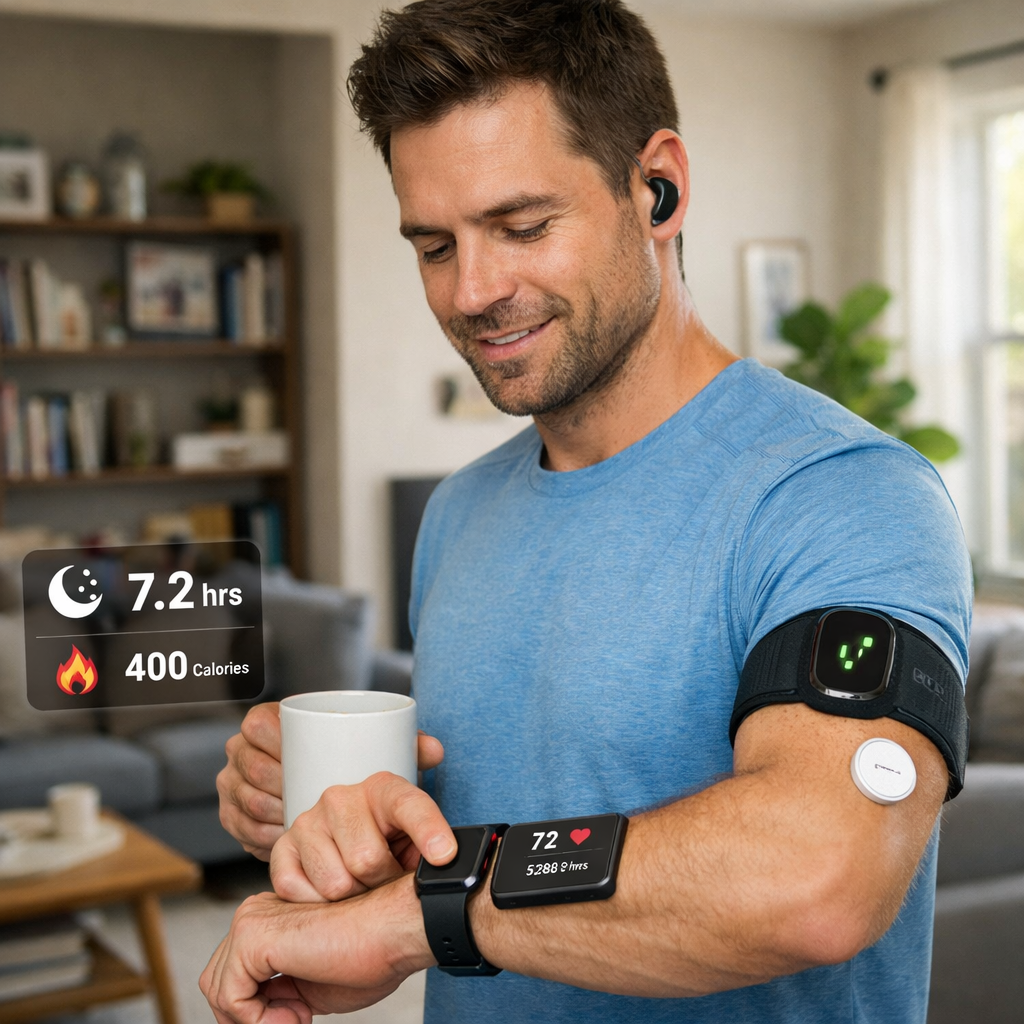
Edge computing, on-device inference, and smarter sensors are bringing AI out of the cloud and into our homes and pockets. Gadgets like AI-enhanced wearables, voice assistants, and IoT devices are learning to adapt to our habits, conserving energy, improving convenience, and even protecting privacy when done right.
But as more AI-enabled devices record, analyze, and act, privacy and transparency become more important. Users want control over what data is collected, where it stays, and who has access—especially when the device is as intimate as a wearable or as ubiquitous as a home assistant.
What this means for people in Stillwater
- Health and wellness: Local clinics, pharmacies, and medical device providers are increasingly using AI diagnostics, therapy tools, and wearables to monitor health or assist in treatment, especially in neurological or chronic conditions.
- Work life: Whether you’re working remotely, in retail, or on-site, tools that automate writing, scheduling, customer support, or mundane data work can free up time for creativity, problem-solving, or community participation.
- Shopping and home life: Smart appliances, energy-saving systems, and AI-powered home tech mean more convenience, but it also means being savvy about setting permissions, reading privacy policies, and asking questions about how devices use data.
- Education and learning: Students and lifelong learners can use AI tools to study better, find reliable sources, or practice skills in new ways—but human oversight and ethical understanding are still essential.
Balancing innovation with responsibility
As we embrace these new tools, staying aware matters. Regulation, standards, and local dialogue play a key role. Support groups, startup hubs, and universities in Minnesota are actively discussing not just how to innovate, but how to do so with care—for privacy, ethics, equity, and long-term wellbeing.
Here in Stillwater, that means keeping our eyes open for local innovators bringing solutions home—and asking how tech serves the people, not the other way around.