

By Olivia Johnson
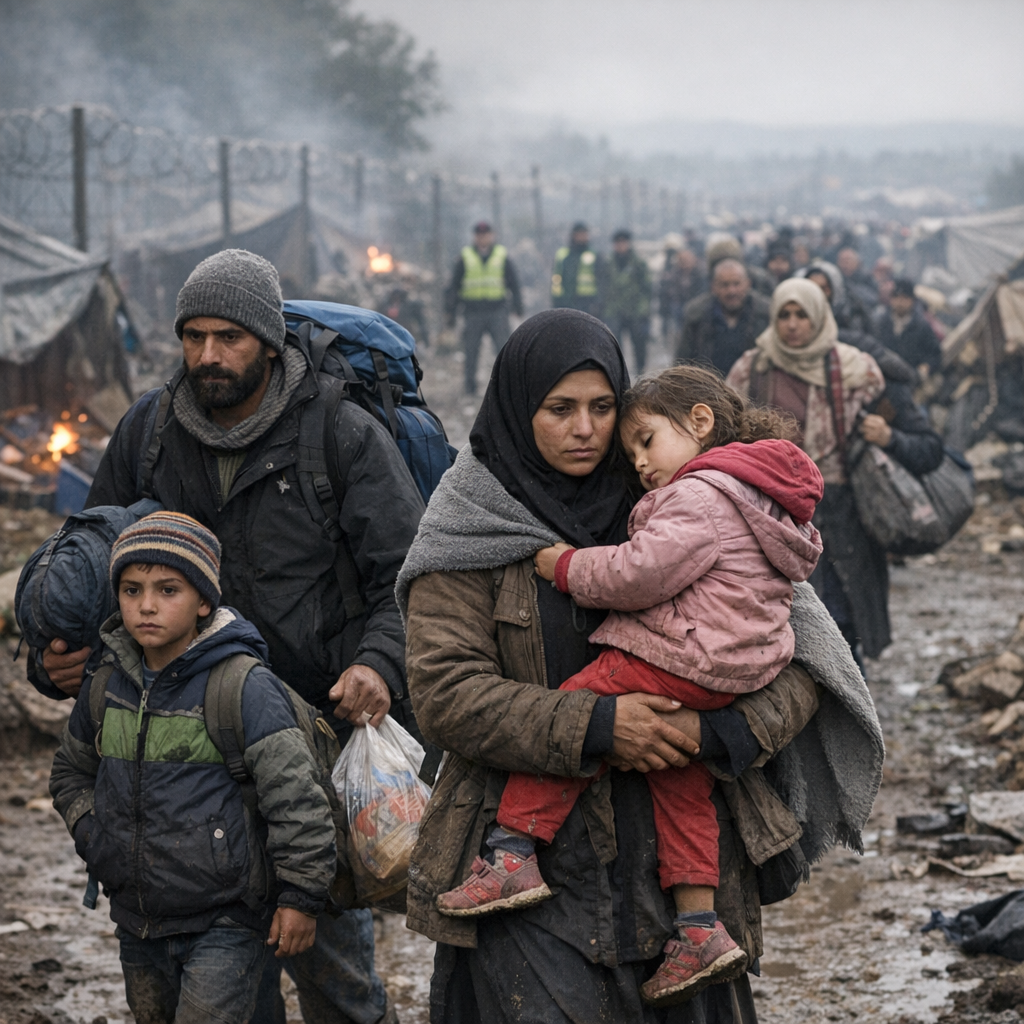
The global refugee crisis remains one of today’s most urgent humanitarian challenges. With tens of millions displaced by war, climate disaster, persecution, and instability, the world is facing a test of compassion, coordination, and political will.
How big is the crisis?
Recent figures estimate that over 28.5 million people are refugees under UNHCR’s mandate, accompanied by 1.5 million in refugee-like situations, and 7.2 million who are internally displaced needing protection. In addition, six million Palestinians are registered with UNRWA. These numbers reflect steady growth over decades. Global crises like conflict and climate change continue to drive forced displacement on an unprecedented scale.
Main causes
Violent conflict remains the top cause of refugee flows. Wars in places like the Middle East are displacing populations internally, as well as across borders. Simultaneously, environmental factors—extreme weather, sea level rise, drought—are pushing people from their homes. Increasingly, a person’s legal status can change quickly, depending on whether their country recognizes climate-related displacement.
The role of climate
Climate hazards worsen other pressures. Floods, storms, droughts, and rising seas displace communities unable to sustain life in traditional homelands. Many developing countries—often with the fewest resources—are on the front lines of climate migration, even though their contributions to global emissions are modest.
How the world responds
Governments, UN agencies, and NGOs are collaborating to offer relief—but the scale of need often outpaces resources. The UN’s Global Humanitarian Overview estimates that hundreds of millions will require aid this year, while funding gaps and logistical challenges persist on the ground. In some cases, forced returns—especially across borders—have added complexity and risk for vulnerable people.
Policy, finance, and innovation
To address these challenges, many nations are expanding asylum systems and border support. International bodies are developing programs aimed at long-term empowerment: education, job creation, local host community strengthening, and climate adaptation to reduce displacement pressure.
Why Stillwater and Minnesota should care
Minnesota has long been a welcoming state for immigrants and refugees, with many Stillwater residents connected to families around the world. Understanding how displacement works can inform local policy and nonprofit support. Locally, refugee resettlement organizations, places of worship, and schools could benefit from knowing global trends—because economic, climate, or political upheaval anywhere can ripple into every community.
What comes next
The goals ahead are clear yet difficult: closing funding shortfalls, establishing legal protections for climate migrants, enhancing emergency response systems, and supporting both displaced people and their host communities. Progress hinges not just on humanitarian aid—but on international cooperation, policy innovation, and moral urgency.