

By Olivia Johnson
In our increasingly connected world, three major international developments are shaping the future: rising forced displacement, a new mindset in global supply chains, and evolving diplomacy that leans toward cooperation amid geopolitical tension. These stories aren’t isolated—they are interconnected, with implications for both global and local communities like ours in Stillwater.
Forced Displacement and Global Migration Trends
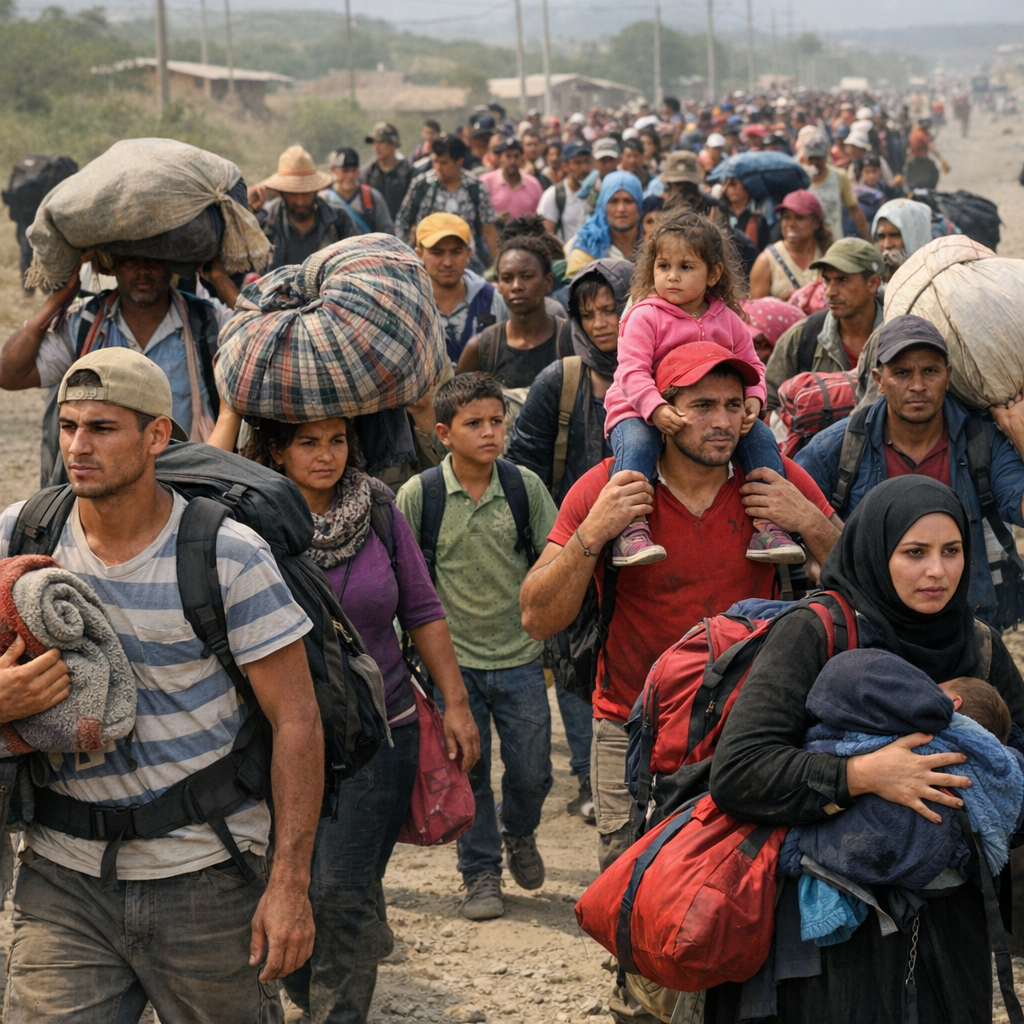
According to recent UN data, there are now over 41 million refugees around the world, and nearly 70 million people displaced within their own countries due to conflict, violence, or persecution. Meanwhile, asylum-seekers number in the millions with many more stuck in limbo. Although returns have somewhat reduced refugee numbers in certain nations, conditions upon return are frequently difficult. Many people find reintegration hard given destroyed infrastructure and lingering insecurity. The human toll is immense.
Beyond the humanitarian crisis, migration continues to have economic impact. The World Migration Report shows there were roughly 304 million international migrants by mid-2024—about 3.7% of the global population—and remittances to developing countries reached nearly a trillion US dollars. Restrictive migration policies may reduce legal mobility, but evidence suggests that migration continues—often via riskier, less regulated routes. By shrinking formal opportunities, such policies tend to increase danger for migrants and reduce benefits for both origin and destination countries.
Why It Matters Locally
Stillwater, like many communities in the U.S., hosts immigrants and refugees who bring new perspectives, culture, labor, and entrepreneurship. Understanding the pressures driving migration—even if they feel far away—helps us support integration, build inclusive services, and advocate for humane policies.
The Shift Toward Resilience in Global Supply Chains
The past few years have revealed how supply chains—once built purely for efficiency—are fragile in the face of geopolitical shifts, trade barriers, climate risks, and even armed groups operating in parts of emerging economies. Businesses and governments are rethinking how goods are sourced, packaged, shipped, and stored, placing a greater premium on reliability, proximity, and redundancy. This isn’t posturing—it’s a response to frequent disruptions that push costs and instability higher.
Strategies now often include diversifying supplier locations, nearshoring, and tighter oversight of upstream risks. Such changes aim to buffer against surprises, whether from environmental disasters, trade sanctions, or conflict.
Interdependence and Diplomacy in an Unstable World
Amid rising tension between global powers, many world leaders are calling for renewed multilateral cooperation—especially around climate, migration, and shared security challenges. Diplomatic efforts are shifting: less toward broad formal agreements and more toward agile coalitions of nations, cities, private organizations, and civil society actors working in concert. Climate diplomacy, for example, is being reconfigured through these coalitions, with emphasis on real-world outcomes rather than symbolic commitments.
In many ways, local governments and communities are taking on greater responsibility. Cities around the world are forming partnerships to share resources, best practices, and resilience strategies. In doing so, they are stepping in where national policies may lag behind urgent global needs.
What We Can Learn Here at Home
- Engage with immigrant and refugee neighbors through dialogue and local support networks—the human stories often illuminate broader global trends.
- Support businesses and institutions that pursue resilient supply practices—local manufacturing, fair trade, and diversified sourcing matter.
- Advocate for policies—local, state, or federal—that balance security with humanity, whether around migration, trade, or climate.
The challenges facing the world today are immense, but we are also seeing glimmers of hope: people working together, across borders, in recognition of our shared fate. For Stillwater and communities everywhere, staying informed and connected can help us meet these challenges not with fear but with purpose.