

By Olivia Johnson
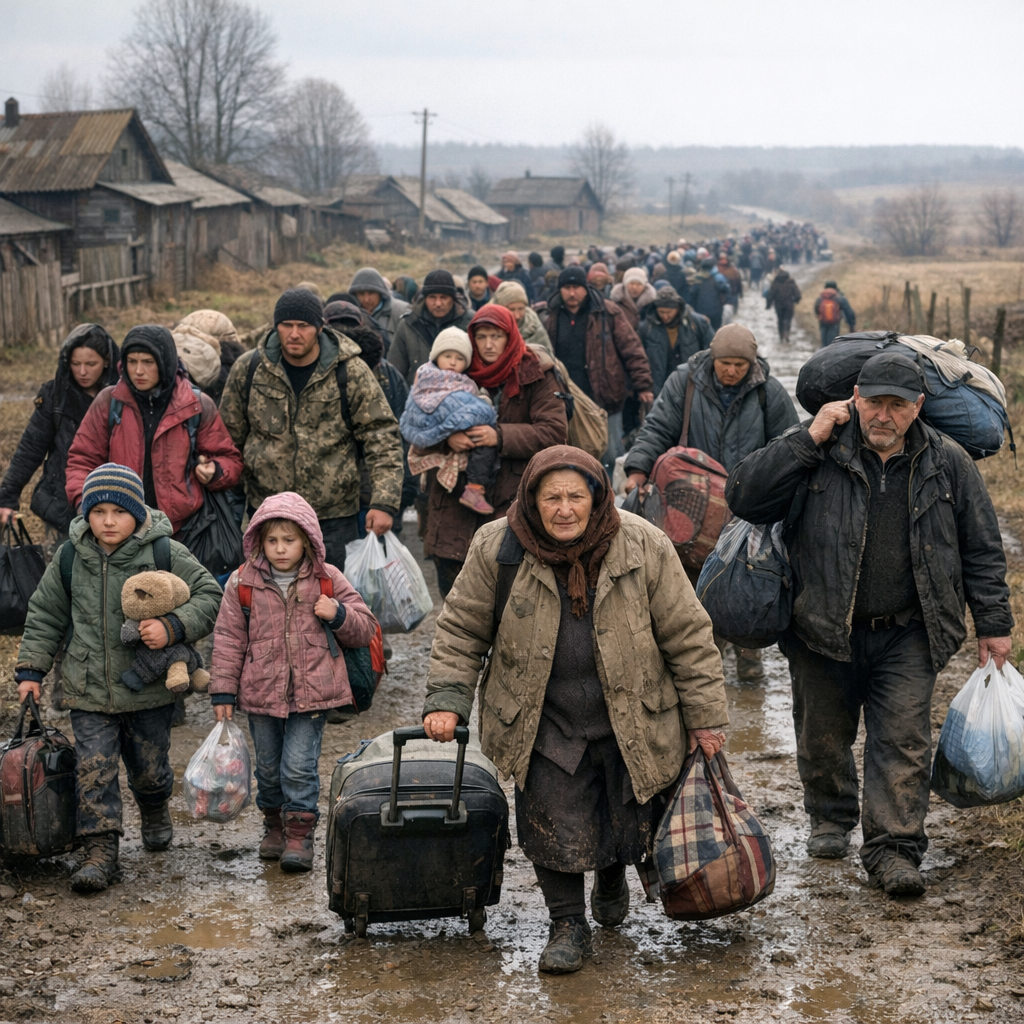
Forced Displacement: A Staggering International Crisis
As the world contends with multiple conflicts and natural disasters, the number of people forced from their homes has reached unprecedented levels. At the end of 2025, there were roughly 41.6 million refugees internationally, 9 million asylum seekers awaiting decisions, and nearly 68.7 million people internally displaced within their own countries due to violence or persecution. In total, this meant about 117.8 million people—over one percent of the global population—were displaced. Many refugees have returned to countries like Syria, Afghanistan, and Sudan, but returning often means facing significant hardships. Communities remain strained, and support remains uneven. UN reports emphasize that while returns have increased, reintegration remains a major challenge for those returning under difficult conditions.
Climate Action: Turning Commitments into Results
At the same time, international efforts to address climate change are shifting focus. Under the UN’s Global Climate Action Agenda, launched with a renewed five-year vision, nations and non-state actors are being pushed to scale up implementation of existing climate commitments rather than just making new promises. This includes initiatives known as Plans to Accelerate Solutions (PAS), which tackle areas like clean energy, resilience, adaptation, and climate finance. The goal is to narrow the gap between targets set in the Paris Agreement and the real-world progress needed to limit global warming and protect vulnerable communities.
How These Issues Intersect—and Why They Matter Locally
Displacement and climate disruption are increasingly intertwined. Extreme weather, drought, and sea level rise contribute to displacement, while conflict and economic instability can intensify vulnerability to climate impacts. For communities here in Minnesota, while the effects may seem distant, they ripple through global food markets, migration pressures, and international cooperation.
What’s Next on the Global Stage
- Expect a stronger push for legally binding climate measures—especially around emissions reporting, adaptation funding, and energy transitions.
- Greater emphasis on local and regional partners in climate action—because innovations often scale up most effectively when rooted in the places most impacted.
- Pressure on wealthier nations to increase support for refugees and displaced populations, including through humanitarian aid, rebuilding efforts, and climate resilience programs.
Though global institutions often feel distant, the decisions made in international settings today—at gatherings like Climate Weeks, UN assemblies, and regional summits—are shaping what the world we pass on will be. Understanding these trends helps us see where pressures are coming from, and what possible pathways forward might look like.