

By Michael Williams
When I moved to Stillwater, I fell in love with the riverfront views, historic downtown charm, and a sense of being part of something rooted. Over time, though, I’ve heard more stories of hard choices—rent that’s out of reach, loved ones struggling in silence, kids yearning for affordable spaces.
What We Said
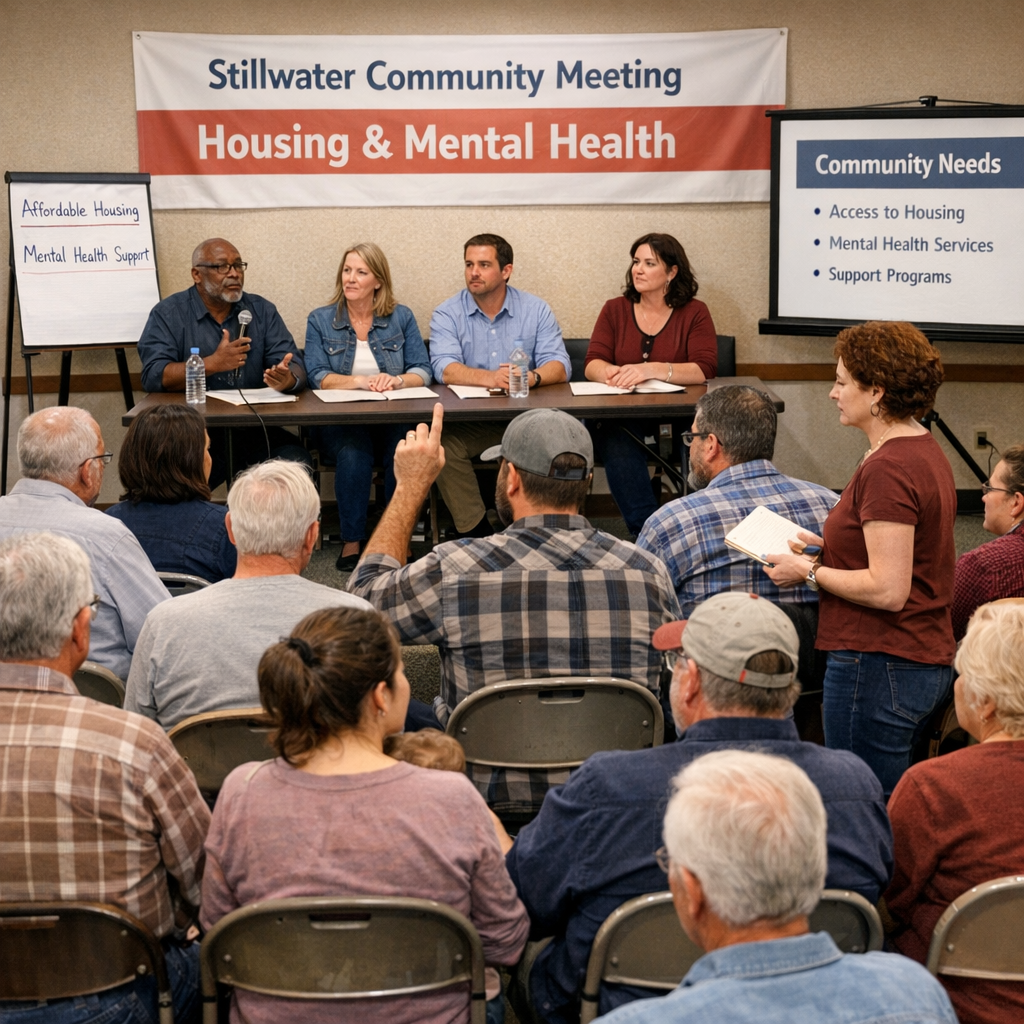
This spring, over 400 people in Stillwater shared what matters most in their lives. The results were clear: affordable housing and mental health services rose to the top as urgent priorities.
Respondents also flagged concerns about financial security, access to health care, childcare, and educational support—needs that touch many families in very personal ways. Beyond numbers, there were voices asking for more walkable sidewalks, better communication from city leaders, and safer public spaces.
Why It Feels Important
Stillwater has many gifts: a strong sense of identity, historic architecture, community events, and local arts initiatives like the Union Art Alley and the Atwater neighborhood’s many heirloom homes. But each of those gifts costs something—whether it’s maintaining infrastructure, preserving heritage, or ensuring that our cultural life doesn’t only serve visitors and businesses but residents too.
The affordability crisis touches many of our neighbors. New survey respondents spoke about struggling to pay rent or mortgages, particularly those with fixed incomes or working in service jobs. Meanwhile, mental health came up not just as a personal struggle but as something people see affecting youth, seniors, and families alike. These are not happening in isolation.
Where We Go From Here
So what can Stillwater do—what should we do? First, policy matters. We need advocacy for more affordable housing units, mixed-income developments, and zoning that supports density in places well-served by transit and services. Prioritizing mental health means ensuring access to community-based support, eliminating stigma, and making help affordable.
But policy isn’t enough without culture. We must cultivate environments where people feel seen—where neighbors reach out, where newcomers aren’t hidden outliers, where youth feel safe to show up, ask questions, seek help. Local art spaces, libraries, walking trails—they’re more than amenities; they’re gathering places where kindness takes root.
Let’s Act Local
- Attend the next city council meeting and bring up affordable housing, sidewalks, or mental health support—our voices shape choices.
- Support nonprofits that provide counseling, affordable housing or transitional housing services.
- Explore volunteering with Community Thread or other groups where people are meeting these needs directly.
It’s easy to believe Stillwater is just a pretty river town with quaint shops and tourists at Main Street. But it’s also a home—for families, elders, artists, kids—where real life happens. What binds us isn’t nostalgia; it’s shared purpose and care. If we lean into what we identified in the survey—housing, mental health, compassion—we don’t just preserve what’s beautiful. We build what lasts.