

By Michael Williams
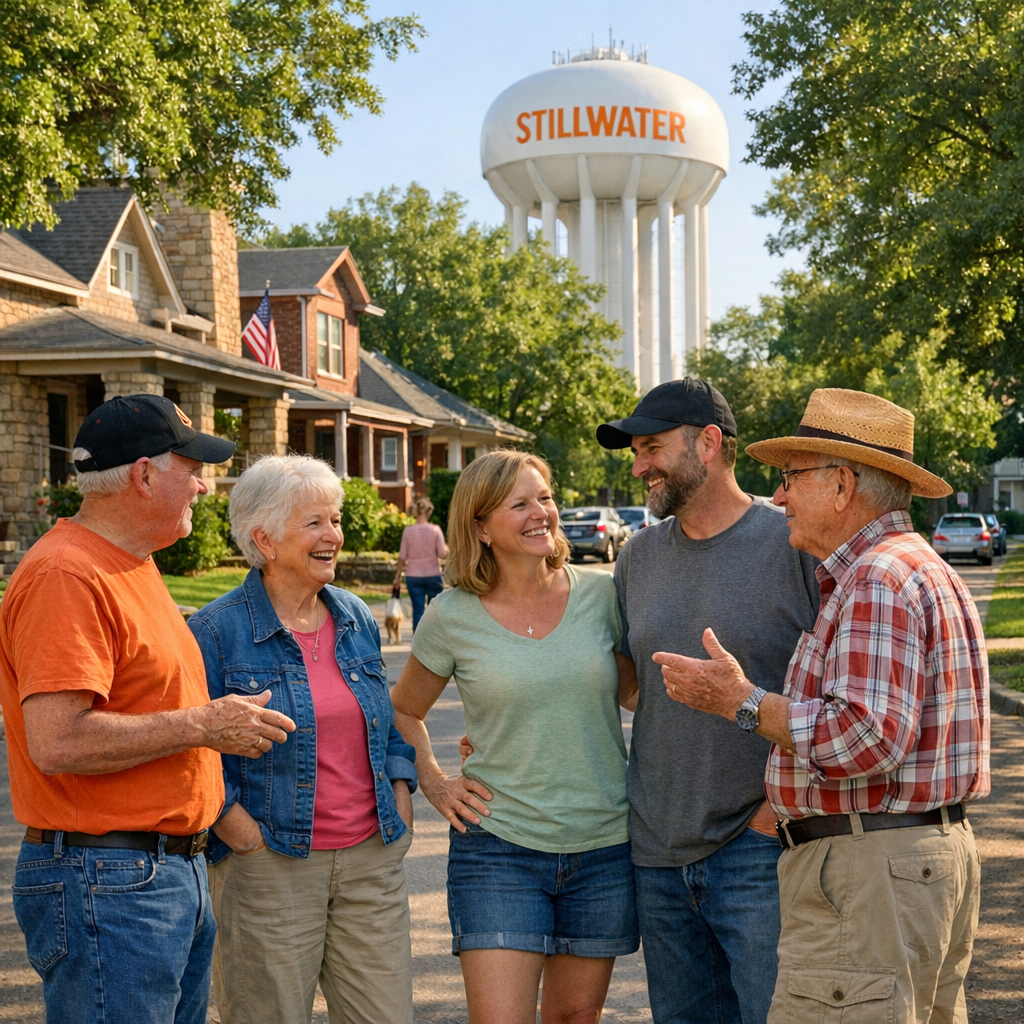
Stillwater has a reputation for scenic river views, historic downtown charm, and strong schools. But living here means more than picturesque streets and traditions—it means encountering change, grappling with gaps, and working to feel truly part of a place that’s growing in ways both beautiful and unsettling.
The Long-Time Resident’s View
Those who’ve lived here for decades often speak fondly of quieter days when downtown shops weren’t all pull-tab stores or tourist-focused cafés, when neighbors knew each other by name, and when community space meant more than event permits. One longtime resident reflects: downtown continues to thrive as a photo backdrop, but feels less like home on busy weekends—parking fills fast, traffic builds, noise carries late.
Newcomers Seeking Connection
Families moving into Stillwater, many with young children, say making friends has been surprisingly easy. They’ve found community through school events, neighborhood gatherings, playgrounds and the river trail. Things that tie them down—kids’ sports, birthday parties, shared chores—often become the anchors of belonging.
Culture, Diversity, and Feeling Seen
Some residents—especially people of color, LGBTQ+ individuals, or those from other states—say their stories don’t always match Stillwater’s postcard image. Experiences of exclusion or unease have been shared: unequal attention in city-led initiatives, more overt microaggressions, or lack of representation in leadership. Others counter that community institutions—schools, nonprofits, public libraries—are beginning to change, with voices finally joining meeting agendas and hiring boards.
Environmental Concerns and Accountability
Water quality and pollution concerns weigh heavily for many. The PFAS advisory and questions about who will correct and who will pay are common topics in kitchen table conversation. Residents want transparency about where contamination is, how it affects them, and when solutions will arrive. For those living with private wells, the stakes feel even more personal.
Ways Forward: Listening, Acting, Believing
- City hall and community leaders: Open forums where all feel welcome to speak, especially during meetings that affect health, housing, and representation.
- Neighborhood networks: Building more invite-one-more gathering, casual events where newcomers find the “in”-person for connection.
- Representation: Ensuring voices from diverse backgrounds are visible in boards, school leadership, and public decisions.
- Environmental transparency: Clear reporting on water, soil, and air quality; regular updates from health agencies; support for those impacted most heavily.
Stillwater isn’t perfect. But community is always a work in progress. What binds us isn’t just history or geography—it’s the belief that belonging matters, that being seen matters. And that every person who calls this place home deserves both respect and voice.