

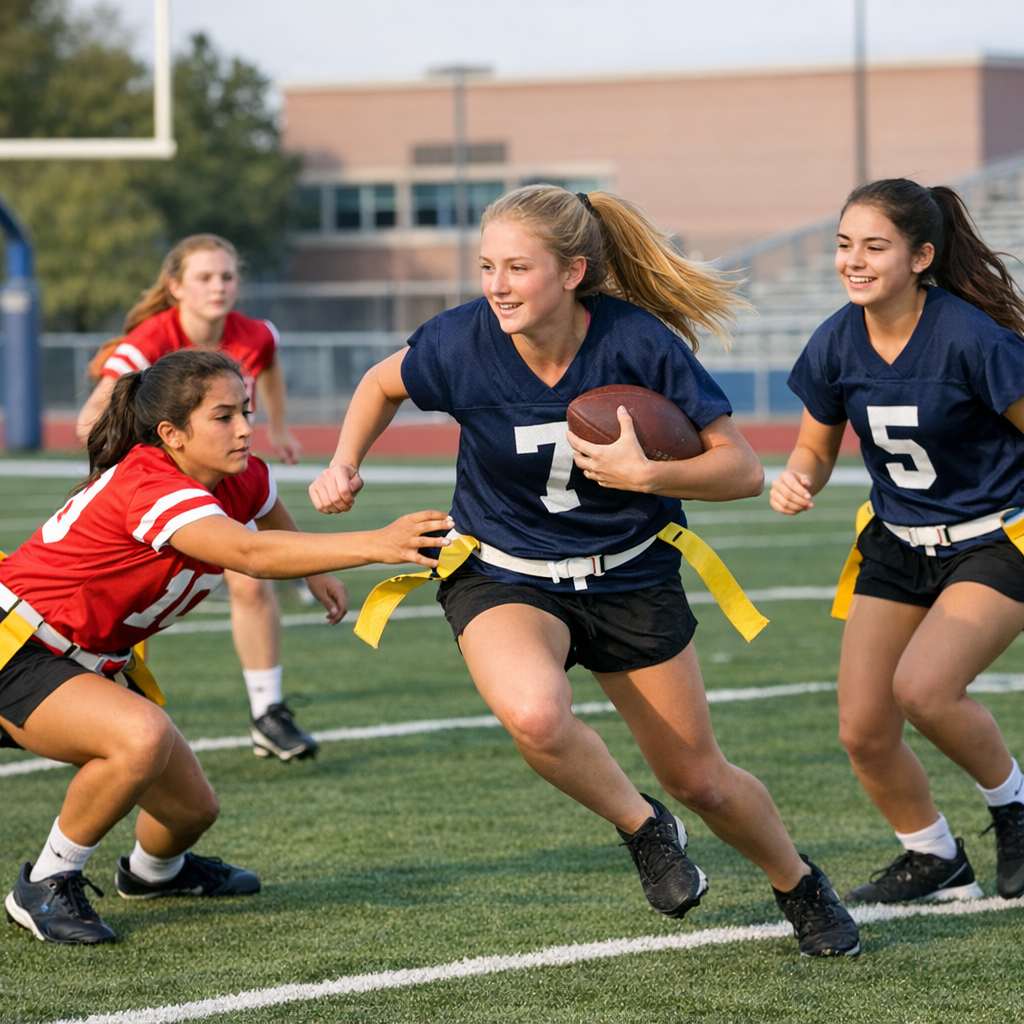
Hi everyone, Sophia Miller here. As someone who follows both national sports developments and our local high school & college athletics, I’ve noticed some trends that are shaping opportunities across the board—for girls, boys, and community athletes alike. Here’s what’s happening, why it matters, and how Stillwater fits into the picture.
1. Women’s Flag Football Gets Big Boost
This past year, the NCAA officially added women’s flag football to its Emerging Sports for Women program. That means schools can more easily offer varsity-level flag football for female students, with a path toward full championship status. Nebraska, for instance, has already announced it’ll begin varsity competition in the spring of 2028. Eastern Michigan is doing the same. Right now, at least 40 colleges across Divisions I–III have committed or are expected to for the 2025-26 school year.
What this means for high schools: More college-level programs increase recruiting pathways. In Stillwater, where spring sports already include girls lacrosse and track, this suggests additional options could be coming for students interested in non-contact football alternatives.
2. Minnesota Girls’ Sports Participation Is Climbing
Minnesota has long been a leader in girls’ participation in high school sports. Recent reports show over 100,000 girls are involved in sporting activities statewide, making up nearly 44% of all high school athletes. Sports like volleyball, track & field, tennis, dance, and even wrestling have surged in popularity among girls.
Locally, Stillwater schools have been expanding girls’ athletic offerings, aligning with these state trends. More opportunities mean more girls can find sports that align with their interests and strengths—whether they prefer traditional team sports or newer offerings.
3. New Sports Sanctioned & Growing in High Schools
Across Minnesota, school districts are sanctioning sports that weren’t always considered mainstream. Girls wrestling, boys volleyball, and even badminton are examples. These changes reflect demographic shifts, and a growing demand among students for inclusive, varied athletic options.
For families in Stillwater, that means a broader range of seasons and styles of competition. Even for students who may not play traditional sports, there are more viable options now than there were just a few years ago.
4. Challenges & What Stillwater Can Do
That said, growth isn’t without hurdles. Facilities, coaching staff, travel costs, equity of resources—all require attention. In some places, new sports await sanctioning; in others, existing programs are stretched thin. Still, these challenges tend to be easiest to address through community collaboration: school boards, parents, coaches, and students.
Here in Stillwater, organizations like the Stillwater Area Sports Association, the high school’s athletic department, and youth sports clubs are key partners. Increased awareness of what’s happening at the collegiate and state levels helps inform local priorities—whether that’s adding new teams, advocating for field upgrades, or supporting emerging sports that resonate with students’ interests.
5. Why It All Matters
Sports aren’t just about winning championships. They build confidence, foster teamwork, and often open doors to scholarships and college opportunities. When Minnesota leads in girls’ participation, or when new college sports become formalized, those ripple out to Main Street: for students in Stillwater, that means more choices, more access, and more voices heard.
If you have ideas, concerns, or want to see a sport in our town, reach out— to your athletic director or booster club. The momentum nationally and statewide is strong. Now is the time to match it locally.