

In recent years, the presence of per- and polyfluoroalkyl substances (PFAS) in drinking water has become a significant concern nationwide. PFAS are man-made chemicals used in various consumer products since the 1940s, known for their persistence in the environment and potential health risks.
Understanding PFAS and Their Impact
PFAS can be found in water, soil, air, and food, as well as in materials within our homes and workplaces. Common sources include water-repellent clothing, non-stick cookware, paints, sealants, and certain personal care products. Consuming water with PFAS levels above health-based guidance values may increase the risk of health effects such as immune suppression, lower birth weights, increased risk of certain cancers, changes to liver function, and thyroid disease.
Stillwater’s Proactive Measures
The City of Stillwater is committed to providing safe, high-quality drinking water to its residents. To address PFAS concerns, the city has initiated several key actions:
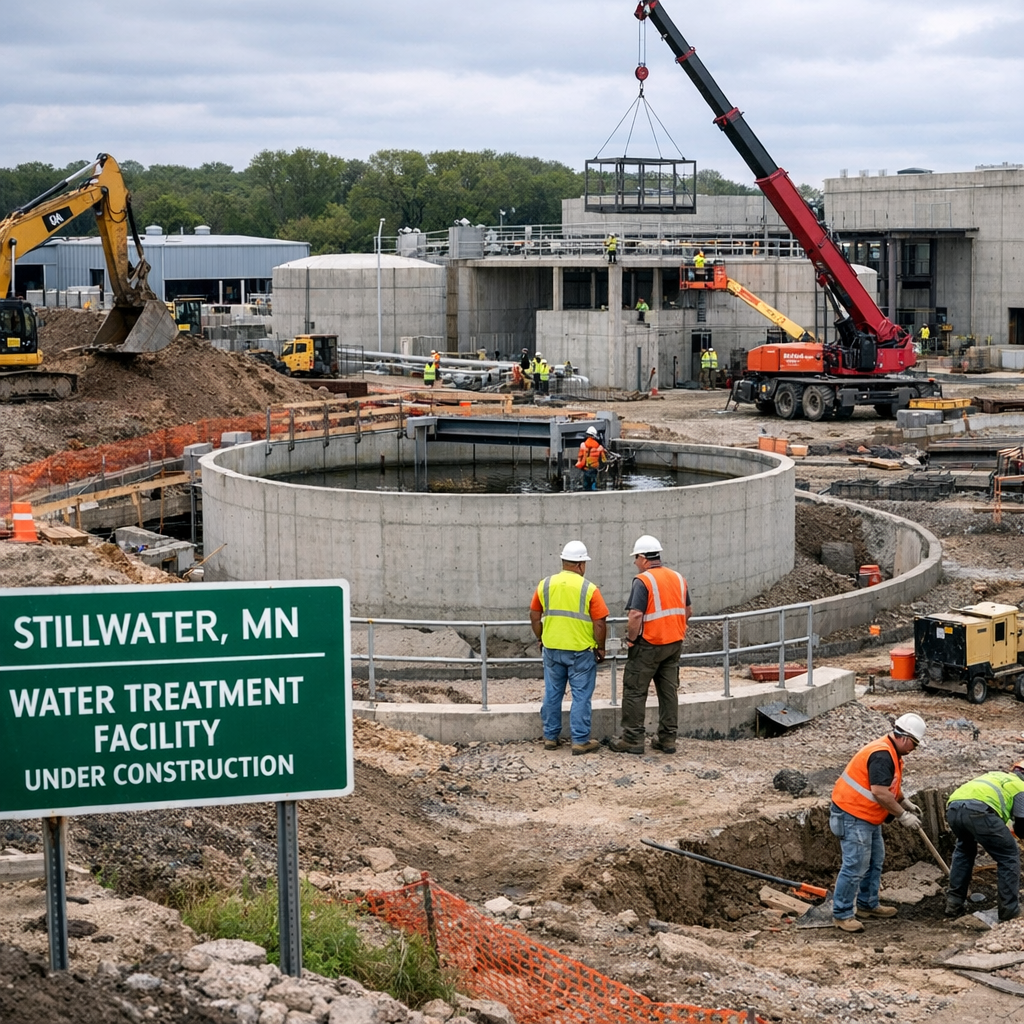
Construction of a New PFAS Treatment Facility
In mid-September 2025, Stillwater broke ground on a new PFAS treatment facility at Well #10. The project has progressed steadily, with significant milestones including the installation of new sanitary sewer manholes, raw and finished water piping connections, and concrete footings for the treatment building. Despite winter conditions, construction continued, with the facility expected to be substantially complete by May 1, 2026.
Comprehensive Investigation Efforts
In collaboration with the Minnesota Pollution Control Agency (MPCA), Stillwater is actively investigating potential PFAS sources. Starting in May 2025, the MPCA began sampling water and soil throughout the city, including private wells, to identify contamination sources and assess risks. Private well owners received detailed results, and those with PFAS levels above drinking water standards were offered treatment solutions provided by the MPCA.
Community Engagement and Transparency
Recognizing the importance of community involvement, Stillwater has prioritized transparency and communication. Residents are encouraged to stay informed through the city’s official channels and participate in public meetings. The city also offers resources for residents to learn more about PFAS, its health implications, and the steps being taken to ensure water safety.
Looking Ahead
Ensuring the safety of Stillwater’s drinking water is an ongoing commitment. The city will continue to monitor water quality, implement necessary treatments, and collaborate with state agencies to address PFAS contamination. Residents are encouraged to stay informed and engaged as these efforts progress.