

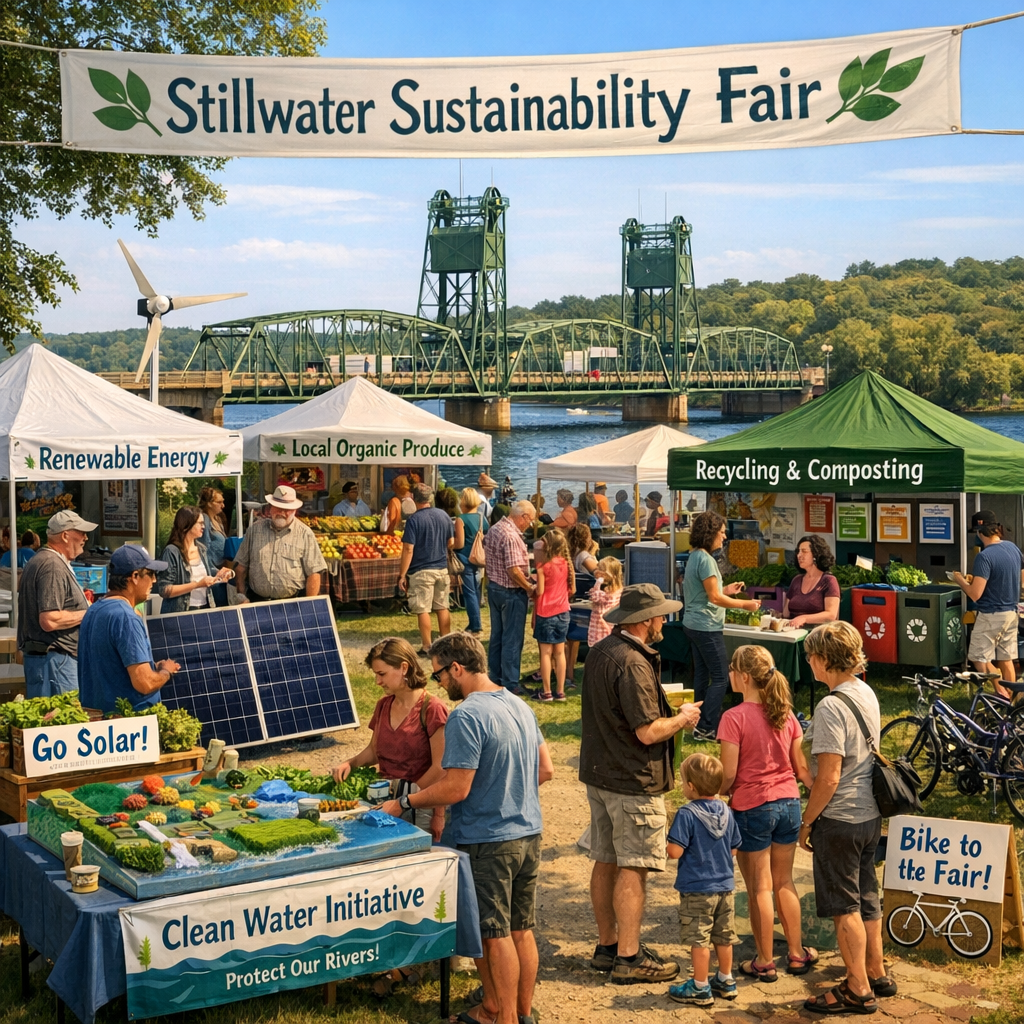
Stillwater, Minnesota, is making significant strides in environmental sustainability through a series of community-driven initiatives. These efforts aim to enhance the city’s ecological health and promote a sustainable future for all residents.
Energy Action Plan
In 2024, Stillwater adopted an Energy Action Plan designed to educate and inspire both residents and businesses to engage in energy-saving practices. The plan sets a community-wide goal to save 3.8 million kWh of electricity and 198,000 therms of natural gas by the end of 2025. Achieving this target is expected to reduce greenhouse gas emissions by 58% and save the community approximately $450,000. Residents are encouraged to participate by implementing energy-efficient measures in their homes and workplaces.
GreenStep Cities Program
Since 2018, Stillwater has been recognized as a Minnesota GreenStep City, a designation that reflects the city’s commitment to sustainable practices. The GreenStep program provides a framework for cities to achieve sustainability and resilience through best practices in areas such as green building, energy efficiency, and natural resource conservation. The local GreenStep team collaborates with city officials to integrate these practices into the 2040 Comprehensive Plan, focusing on initiatives like the Climate Action Plan and the Bird City Program.
Bird City Program
As part of its sustainability efforts, Stillwater has implemented the Bird City Program to protect and manage green spaces, educate citizens, and promote the use of native plants. This program aligns with the city’s GreenStep initiatives and aims to make urban areas more hospitable for both birds and people. By fostering bird-friendly environments, the program contributes to biodiversity and enhances the quality of life for residents.
Environmental Learning Center
The Environmental Learning Center (ELC) at Stillwater Area High School offers students a unique opportunity to engage with Minnesota’s diverse ecosystems. Spanning 55 acres, the ELC encompasses an oak forest, prairie, and coniferous planting, along with several seasonal ponds. Students participate in hands-on activities such as bird banding, small mammal trapping, and wildlife monitoring, fostering a deep connection with the natural world and promoting environmental stewardship.
PFAS Mitigation Efforts
Addressing concerns about per- and polyfluoroalkyl substances (PFAS) in drinking water, Stillwater has taken proactive measures to ensure water safety. The city is constructing a new PFAS treatment facility at Well #10, with completion expected by May 2026. This facility will enable the city to meet the Environmental Protection Agency’s drinking water standards ahead of the 2029 deadline, demonstrating a commitment to public health and environmental responsibility.
Through these initiatives, Stillwater exemplifies a community dedicated to sustainability and environmental stewardship. Residents are encouraged to participate in these programs and contribute to the city’s ongoing efforts to create a healthier, more sustainable future.