

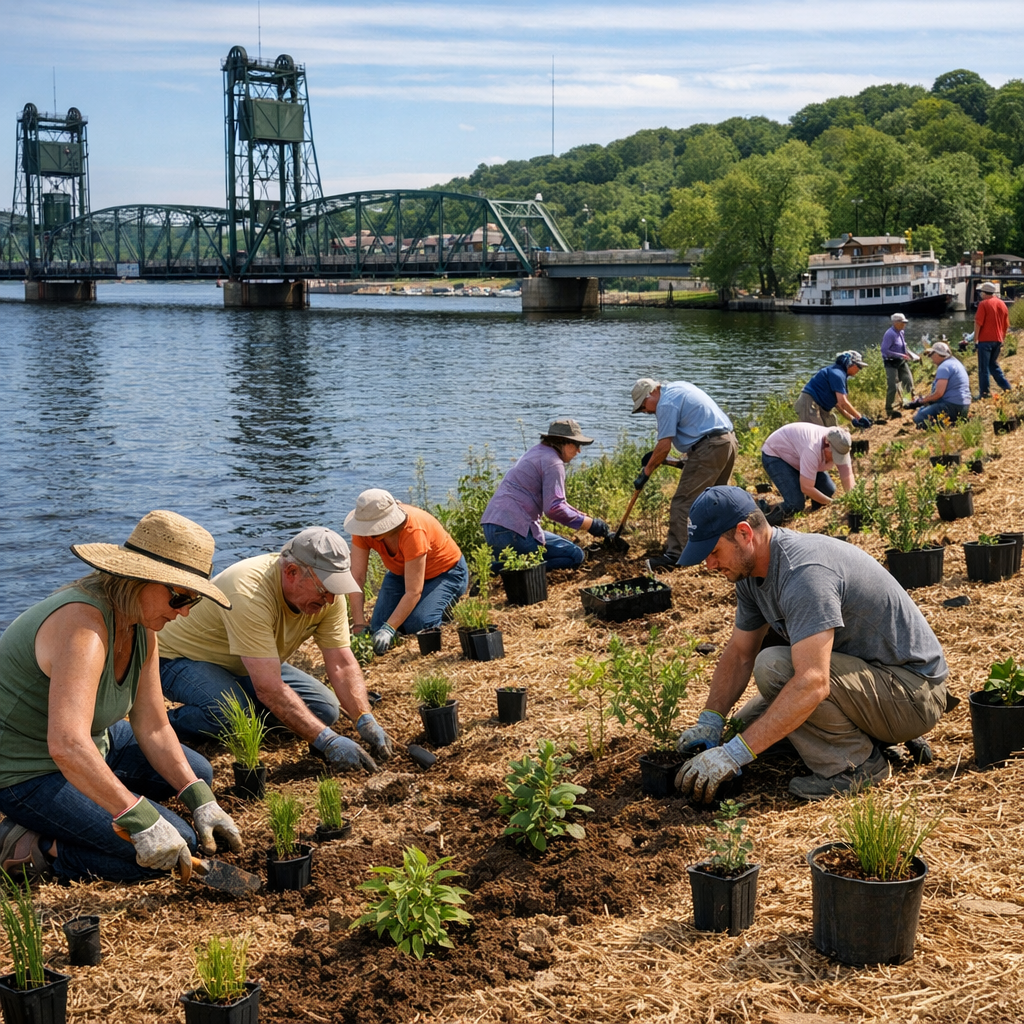
Stillwater, Minnesota, is actively engaging in environmental initiatives to enhance community resilience and sustainability. These efforts address climate change impacts and promote ecological health.
Bird City Program
The Bird City Program focuses on protecting bird populations and their habitats through education, habitat stewardship, and community collaboration. By aligning with best practices from the Minnesota Audubon Society, the program aims to restore and enhance habitats, reduce human-caused threats to birds, and integrate bird-friendly practices into community planning. This initiative reflects the understanding that healthy bird populations indicate a healthy environment for all residents.
Land Stewardship Program
The Land Stewardship Program emphasizes protecting land and water resources through community-led stewardship and practical conservation solutions. With a focus on stormwater management and watershed health, the program addresses pollution and runoff before they reach local waterways, helping to protect the St. Croix River and surrounding ecosystems. Residents are empowered to take an active role in environmental care through hands-on action, education, and shared responsibility.
GreenStep Cities Program
Since 2018, Stillwater has been designated a Minnesota GreenStep City, thanks to the efforts of the Sustainable Stillwater GreenStep team. This program provides guidelines to help cities achieve sustainability, resiliency, and a better quality of life for citizens. The GreenStep Group collaborates with city officials to coordinate local programs and practices under the 2040 Comprehensive Plan, focusing on sustainable best practices that address green building, energy efficiency, natural resource conservation, transportation, and more.
PFAS Treatment Facility
In response to concerns about per- and polyfluoroalkyl substances (PFAS) in drinking water, Stillwater is constructing a new PFAS treatment facility at Well #10. The project includes new sanitary sewer manholes, raw and finished water piping connections, and a treatment building. Despite winter conditions, work continues, with the project expected to be substantially complete by May 1, 2026. This initiative underscores the city’s commitment to providing safe, high-quality drinking water for residents, businesses, and visitors.
Climate Change Impacts
Climate change is expected to impact Minnesota’s water quality and quantity by increasing precipitation, decreasing precipitation, and increasing temperatures of lakes and streams. Increased precipitation, especially in large storm events, can cause river flooding and flash flooding. Flooding results from changes in land use, undersized sewer and stormwater pipes, and extreme precipitation or rapid snowmelt. The Midwest has seen an increase in very heavy precipitation in the last 50 years, and more winter precipitation is falling as rain rather than snow.
Through these proactive initiatives, Stillwater demonstrates a strong commitment to environmental stewardship and community resilience, ensuring a sustainable future for all residents.