

By Michael Williams
Stillwater is known for its hills, river views, and historic charm. Many who live here say they moved for the walkable downtown, friendly neighbors, and quiet streets. Yet in new housing developments and even existing neighborhoods, there’s a growing tension over sidewalks—or lack thereof. What do sidewalks mean for our community, and why should we invest in them thoughtfully?
The Role of Sidewalks Beyond Foot Traffic
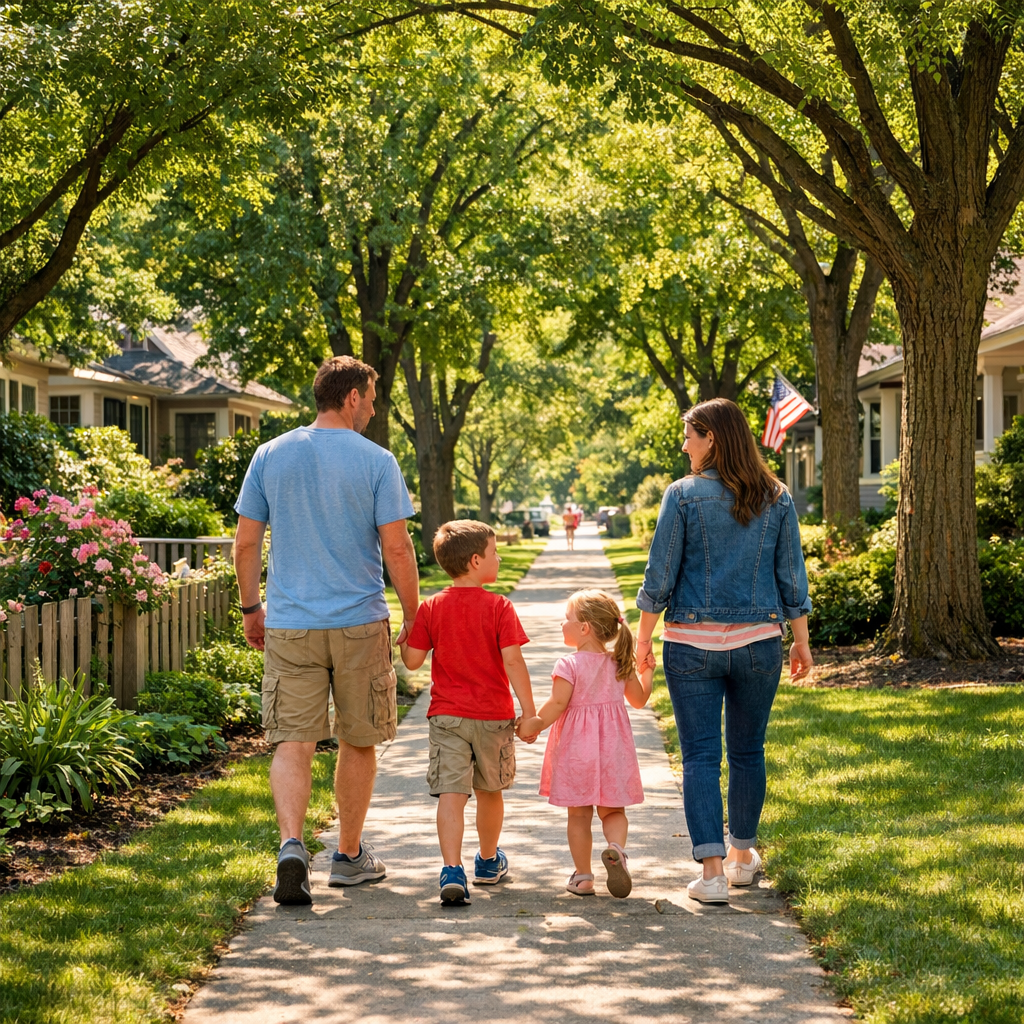
It’s tempting to think sidewalks are only about getting from point A to B without dirt shoes. They are more than that. Sidewalks offer spaces where children walk to school, and teenagers gather for ice cream. They become paths to introduce ourselves to neighbors during evening walks. For those who don’t drive—kids, seniors, people with limited mobility—they mean independence. When sidewalks are safe and continuous, they help improve public health, reduce car dependence, and help build trust in how our community functions.
Current Challenges Stillwater Faces
In recent discussions about new townhouse development at Manning Avenue and 80th Street, several neighbors raised concerns about the lack of pedestrian-friendly design. Plans that favor garages over gathering spaces, few sidewalks, and density requirements that limit open alternatives have led to heated debate. Some residents want wider buffers, enhanced landscaping, or at least internal paths that tie into existing trails. Others note that site constraints—wetlands, grading, parking—can make sidewalk placement harder but not impossible. These are not just issues of practicality but of our city’s identity and how we live.
A Path Forward: Collaborative Design for Long-Term Benefit
If we want Stillwater to thrive in a way that respects its history and serves its residents, I believe three approaches are crucial:
- Comprehensive planning—before development projects get too far along, city planners should integrate pedestrian pathways, trails, and sidewalks into the fabric of new neighborhoods.
- Resident engagement early and often—listening sessions like those held in the energy planning group show what happens when real ideas meet lived experience. Sidewalks are no different.
- Funding with intention—sidewalk construction and maintenance cost money. Prioritizing safety zones near schools, bus stops, and older neighborhoods where people walk more can guide limited resources where they matter most.
Why It Matters for Everyone
Walkable neighborhoods reach beyond convenience; they reach at the core of our shared experience. They’re the steps grandparents take to walk to the local bakery, the route kids learn on their way home from school, the curve of our daily rhythm. When sidewalks work, our city becomes more than a collection of lots and roads. It becomes a living network of shared paths and connected lives.
Stillwater has rugged terrain and beautiful rivers; it also has a chance to weave safe, inviting, and connected routes across what we already have and what’s being built. If we step up together—with care, vision, and neighborly input—our city’s sidewalks might carry us into tomorrow more comfortably, safely, and proudly.