

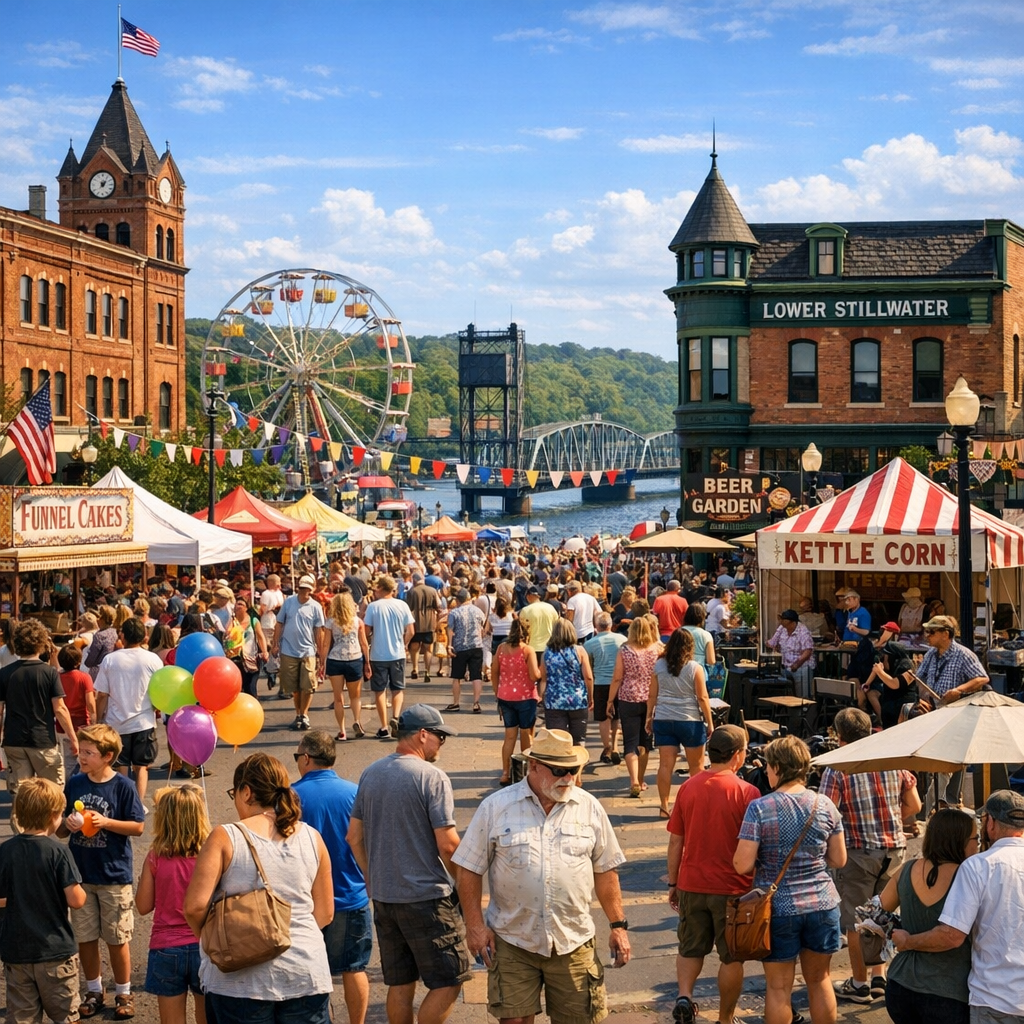
Stillwater, Minnesota, renowned for its historic charm and vibrant community events, has long been a destination for visitors seeking unique experiences. From the World Snow Celebration in January to Lumberjack Days in July, and the Harvest Fest in October, the city hosts a plethora of festivals that draw thousands to its picturesque downtown.
However, the frequency and scale of these events have sparked discussions among residents and city officials. Concerns have been raised about the impact on daily life, including increased traffic, noise, and the strain on local infrastructure. As reported by the Minnesota Star Tribune, the city is evaluating ways to reduce the number of events after residents expressed that the historic downtown has become too busy.
While these festivals contribute significantly to the local economy and cultural identity, it’s essential to find a balance that respects the needs of the community. Potential solutions could include limiting the number of large-scale events, implementing stricter regulations on event sizes, or designating specific areas for festivals to minimize disruption.
Engaging in open dialogues between event organizers, city officials, and residents is crucial. By collaboratively assessing the benefits and challenges, Stillwater can develop a sustainable approach that honors its rich traditions while ensuring the well-being of its residents.
As we navigate this conversation, it’s important to remember that the essence of Stillwater lies not just in its events, but in the community that calls it home. Striking the right balance will ensure that Stillwater remains a cherished destination for both visitors and residents alike.