

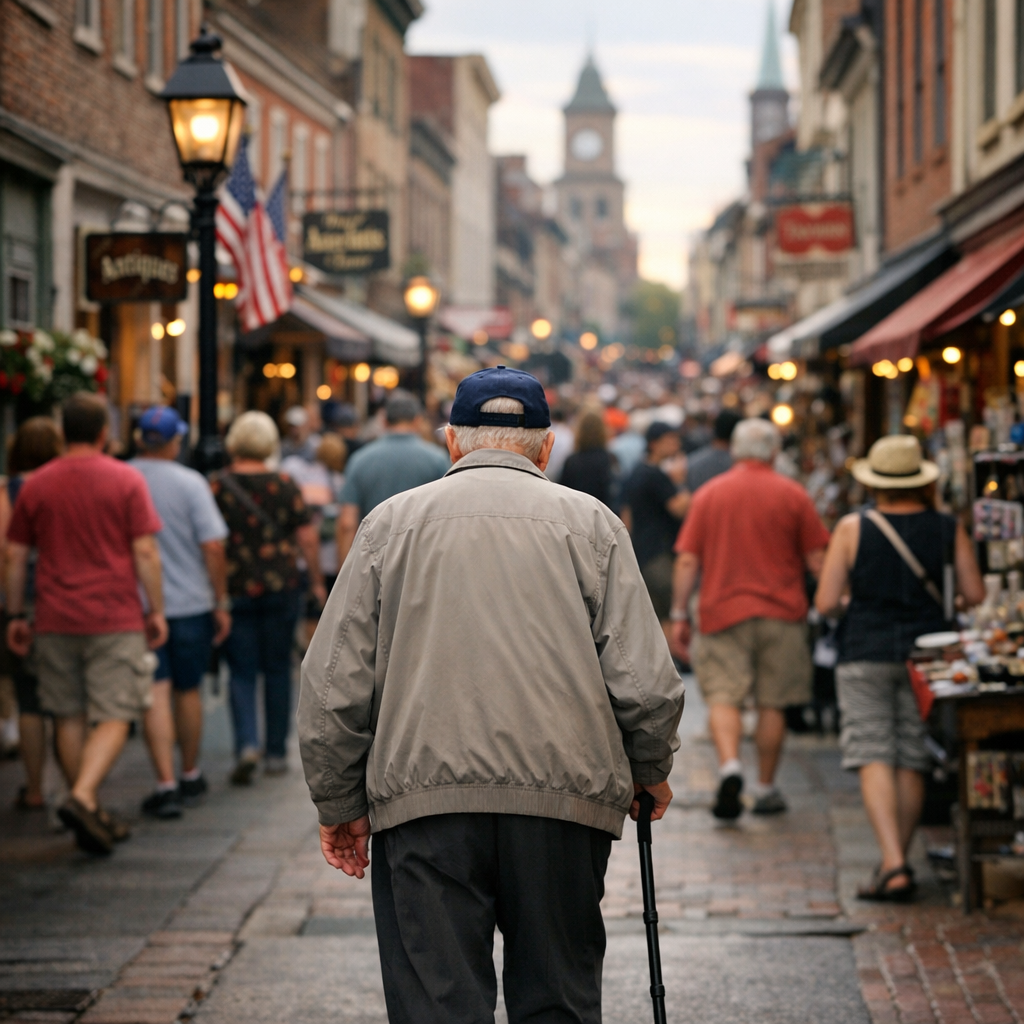
Stillwater is many things at once: a riverside treasure, a destination for weekend visitors, the birthplace of Minnesota—and home to nearly 20,000 people who want more than postcards and photo ops. As someone who loves everything this town offers, I’ve come to believe we need to think carefully about what it takes to make Stillwater sustainable—not just for our visitors, but for those of us who live here every day.
The Hidden Costs of Popularity
Downtown Stillwater’s historic charm draws thousands, especially during summer weekends. Festivals, arts markets, and riverfront strolls create magic—but also traffic jams, noise complaints, full parking lots, and long waits for services. For many residents, it can feel like living in someone else’s vacation snapshot.
Housing costs have followed the tourist trail. As interest in historic homes and “river views” rises, so do home prices and rental rates. For people who grew up here or work here, this can make staying—and contributing locally—feel like an uphill climb.
Water Safety: PFAS and Trust
Worries about drinking water contamination—specifically PFAS (often called “forever chemicals”)—have become more visible. Though the City has taken steps to treat and monitor affected wells and promises ongoing updates, many residents still report frustration at gaps in information and concern about long-term health effects.
Growth and Planning: Can We Stay Who We Are?
Our 2040 Comprehensive Plan is a vision of stillwater that protects natural resources, honors history, and builds housing, trails and economic opportunity. But when development proposals—townhouses, parking-variances, larger impervious surfaces—come up, there are tough questions: how to balance growth and infrastructure, environmental protection and the character that drew many of us here in the first place.
What Would Real Balance Look Like?
- Event days that respect residential peace—considering noise, traffic flow, emergency services burden.
- Transparent communication around water safety: sharing test results, letting folks know which wells affect which neighborhoods.
- Thoughtful zoning and development: sidewalks and trees, design that supports walkability and preserves beauty over strict density metrics.
- Policies that prioritize those who live here: affordable housing options, parking for residents, protections against displacement.
A Local Voice Matters
I believe Stillwater’s greatest strength is its people: those who push back when something feels unfair, who volunteer for trail clean-ups, who attend council meetings or just knock on a neighbor’s door. If we want Stillwater to grow stronger, not just bigger, those voices need to be heard and honored—not just during festivals or elections, but in every decision about how we share this home.
Our town is beautiful, but beauty isn’t enough. We deserve a Stillwater that works—not just for tourists and guests, but for teachers, nurses, seniors, young families—everyday people who call this place home.