

By Ava Peterson
Technology isn’t just about the newest phones or flashy AI demos anymore—it’s part of everyday life for most of us in Stillwater. From using AI in chores to smart devices in our homes, these tools are quietly changing the way we work, relax, and connect.
AI Beyond the Buzz
More than one-half of U.S. households have used an AI tool recently—for searching, brainstorming ideas, or tackling work or school tasks. While productivity often gets a boost, there are also growing concerns about privacy, trust, and the impact on jobs. Younger people and those in cities tend to use AI more often. In rural Minnesota—areas like ours—the adoption is lower.
Here in rural Minnesota, studies show only about 13 percent of working-age adults have used popular AI tools like ChatGPT, Gemini, or Copilot. People in metro areas use them at roughly double that rate. That gap suggests we still have work to do to make AI tools accessible, relevant, and trusted in communities like ours.
Smart Gadgets in Daily Life
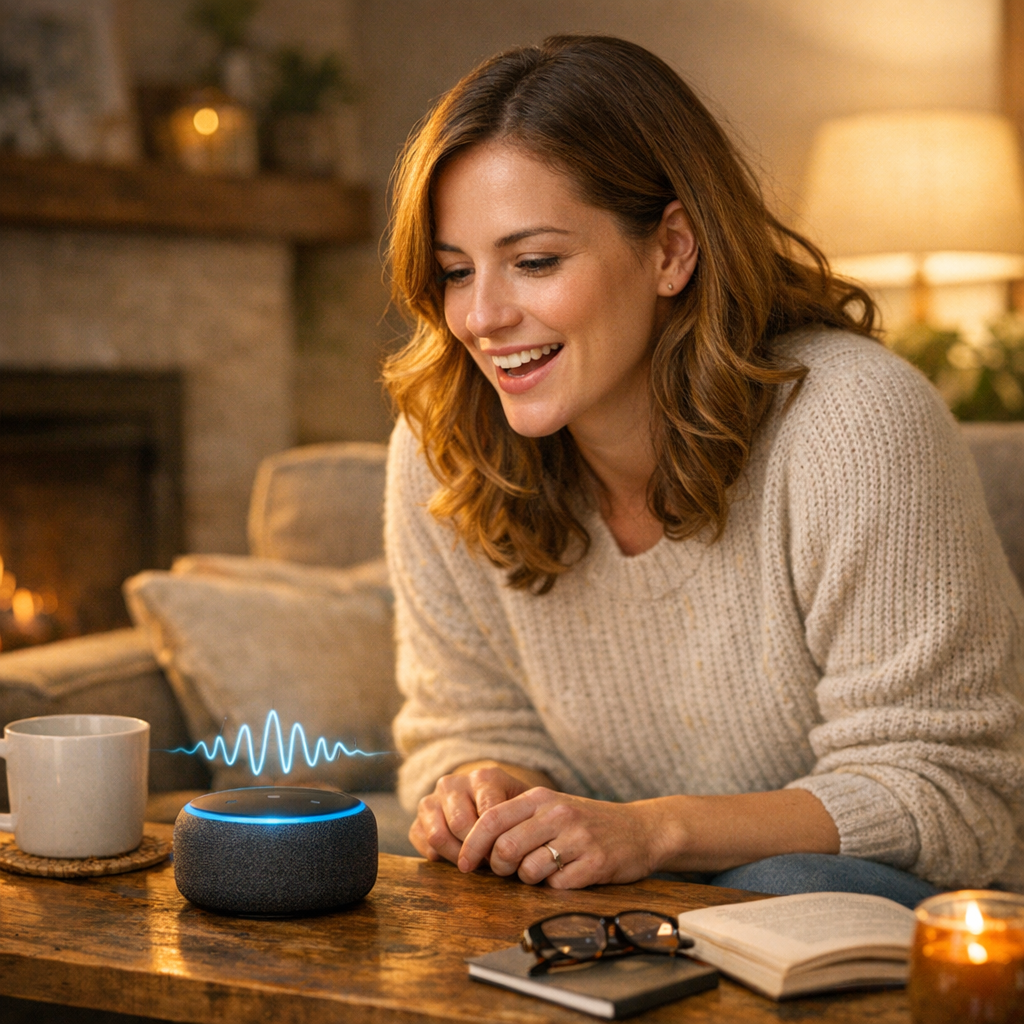
Smart devices are becoming standard in many American homes. Nearly a quarter of households now use robot vacuums or mops. Smart thermostats, voice assistants, and connected security systems are also common, helping people automate tasks and regain time.
Yet, technology limitations—old devices, slow connections, mismatched software—hold many back. About 40 percent of people in a recent survey said they had to pause or abandon personal projects because their gear couldn’t keep up. That matters in places where replacing hardware or upgrading networks isn’t always easy.
Screen Time, Digital Habits & Impacts
How much screen time are we talking about? Across the U.S., the average is about 12 hours a day across devices—the smartphone alone takes up more than four. From streaming to social media to work email, screens are everywhere. Gen Z logs even more time than older generations.
For many in Stillwater, screens play a role in both opportunity and friction. Remote work, online schooling, telehealth—all depend on reliable broadband and comfort with technology. And while lots of folks embrace this, others get frustrated by lagging devices, confusing software, or the stress of being almost constantly connected.
Bridging the Gaps & Growing Together
Efforts at the state level aim to address disparities. Programs in Minnesota support remote health tools, telemedicine, and bolstering broadband in rural areas. These help reduce travel time for health care, expand learning options, and make it easier to work or create from home.
Locally, the path forward includes practical steps: upgrading devices when possible, choosing internet plans that offer more reliability, and community workshops to build digital skills—especially for older adults or people less familiar with tech.
Take-Home Tech Tips
- Check your devices: even small upgrades (RAM, storage) can extend usability and reduce frustration.
- Explore free or low-cost tech training events—libraries, community centers, local schools often host them.
- Use smart gadgets selectively: pick ones that solve real pain points (e.g., home comfort, safety), not just ones that look cool.
- Pay attention to digital wellness: set boundaries—turn off notifications, designate screen-free times.
Technology—especially AI and smart devices—holds big promise for Stillwater and communities like ours. The challenge isn’t inventing new tools so much as making sure they work well, fairly, and usefully for all of us.