

By Emma Nelson
Stillwater’s vibrant event calendar brings neighbors together and supports local businesses, but many residents say there’s growing strain — from traffic and noise to overburdened city resources. City leaders, listening to these concerns, are evaluating changes to the way public events are approved.
The crowds and concerns
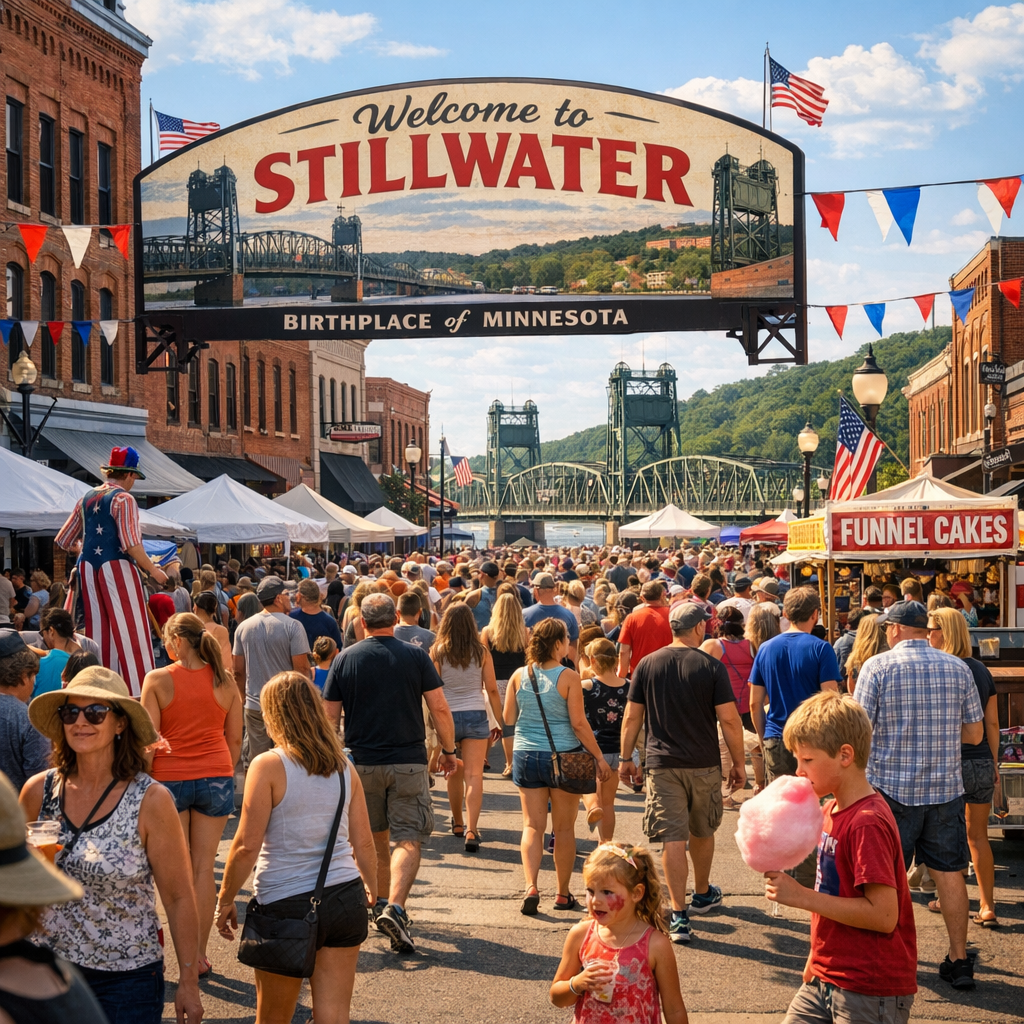
Last year, Stillwater hosted more than 100 permitted events, including major gatherings like Harvest Fest, Lumberjack Days, and the Pumpkin Boat Regatta. Downtown residents have raised complaints that such frequency limits their access to regular life in the historic core — shopping, quiet evenings, access to parks, and even walking their dogs. Visitors’ traffic, blocked parking, amplified sound, and intense use of public services are recurring frustrations.
What the city is considering
The City Council has established a task force charged with finding a balance between supporting Stillwater’s reputation as a scenic, event-rich riverside town and protecting neighborhood livability. Among the ideas under discussion:
- Designating one day each month with no approved event permits — a “quiet day” when downtown operates without interruptions from festivals or large gatherings.
- Strengthening criteria for event approvals, such as assessing public safety staffing impacts, traffic flow, and environmental stress.
- Reviewing deadline requirements so organizers must apply more in advance, giving city services more time to prepare and schedule support.
Why this matters
Events bring important benefits — they draw visitors who support local shops, restaurants, and arts organizations. Many believe that slowing down event approvals doesn’t mean ending events; rather, it means making sure the infrastructure, resources, and neighborhood impact all align.
What residents can do
There are several ways community members can engage in this process:
- Attend upcoming City Council meetings and task force sessions when event policies will be discussed.
- Provide feedback through city surveys or comment periods when the city proposes rule changes.
- Share real-world impacts — for example, when an event made parking difficult, or stretched public safety — to help leaders understand what’s working and what’s not.
As Stillwater grows, finding that balance between lively festivals and residents’ day-to-day peace is central to its future. The decisions made now could shape what it feels like to live downtown for years to come.