

By Michael Williams
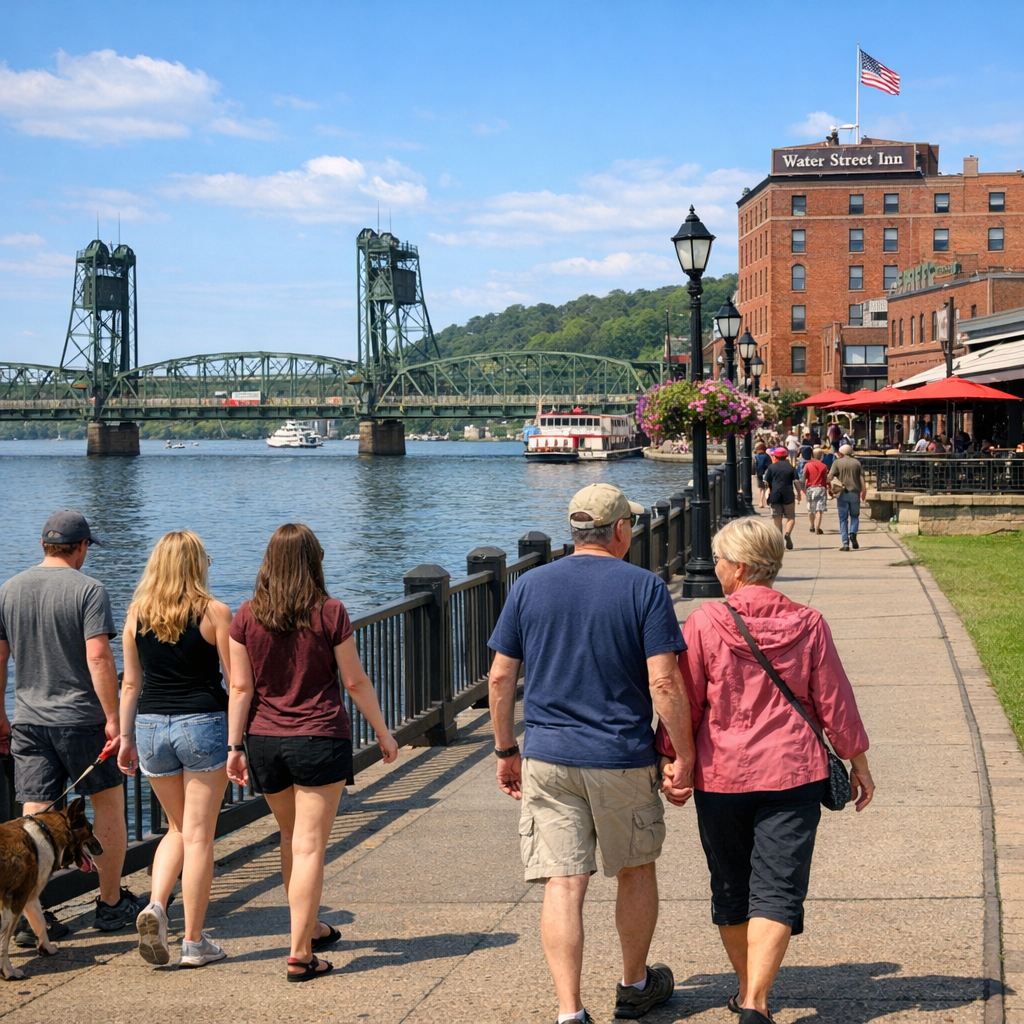
Stillwater isn’t just where I happen to live—it’s where I feel my roots deepen every day. From friendly greetings along the riverwalk to the way local businesses rally around folks in need, the character of our town reveals itself not in grand events but in ordinary moments. Here are a few reflections on what makes our community unique, what challenges we face, and what I believe can strengthen us for the long haul.
A Town of Connections
One thing visitors often notice immediately is how warm people are. Neighbors wave while mowing lawns. Local shop owners remember your name. At the grocery, someone offers help before you ask. These small acts pile up, creating a sense of belonging many places lack.
Part of this closeness comes from engagement. Community events—art walks, kayaking on the St. Croix, festivals downtown—give us common experiences. These shared experiences build trust, and in a town where winters are harsh, trust is a social heater.
What’s at Risk
Yet that feeling of closeness isn’t automatic. Development pressures, rising property costs, and increasing numbers of tourists strain our infrastructure and transform neighborhoods faster than many can keep up. Some longtime residents worry that new housing projects displace local character, while newcomers may feel unsure where they fit in.
Another challenge is maintaining affordable services—public transit, library hours, youth programs—amid budget constraints. It’s tempting to cut what feels optional, but those services often matter most to those who rely on them quietly.
Stories That Shape Us
Stillwater’s history lives in more than its main street brick facades or historical plaques. It lives in the oral histories held by the St. Croix Valley’s institutions, in stories families tell about their grandparents walking the riverbanks, working in sawmills, or gathering in homes that have long since passed.
These stories matter because they frame our present. When we remember that Stillwater was once built around mills, river trade, and tight-knit neighborhoods, we see what matters—and what’s worth preserving.
What I See as Hope Ahead
First, listening. That means city planning meetings that truly include voices from all parts of town: renters, seniors, youth, longterm residents and newcomers alike. When decisions are informed by many perspectives, they tend to serve many people.
Second, balancing growth with preservation. We can welcome new businesses and housing while protecting what gives Stillwater its texture: green spaces, historic architecture, small businesses with character.
Third, purposeful community building. Supporting public spaces—parks, libraries, gathering spots—and public programs that bring people together across differences helps us retain connection even as we change.
Stillwater is messy, like all real places. It’s full of contradictions—between change and tradition, newcomers and longtime folks, opportunity and access. But it’s also full of potential. And if we continue to share stories, to show up for each other, to consider the quieter voices—then the best parts of this place will endure.