

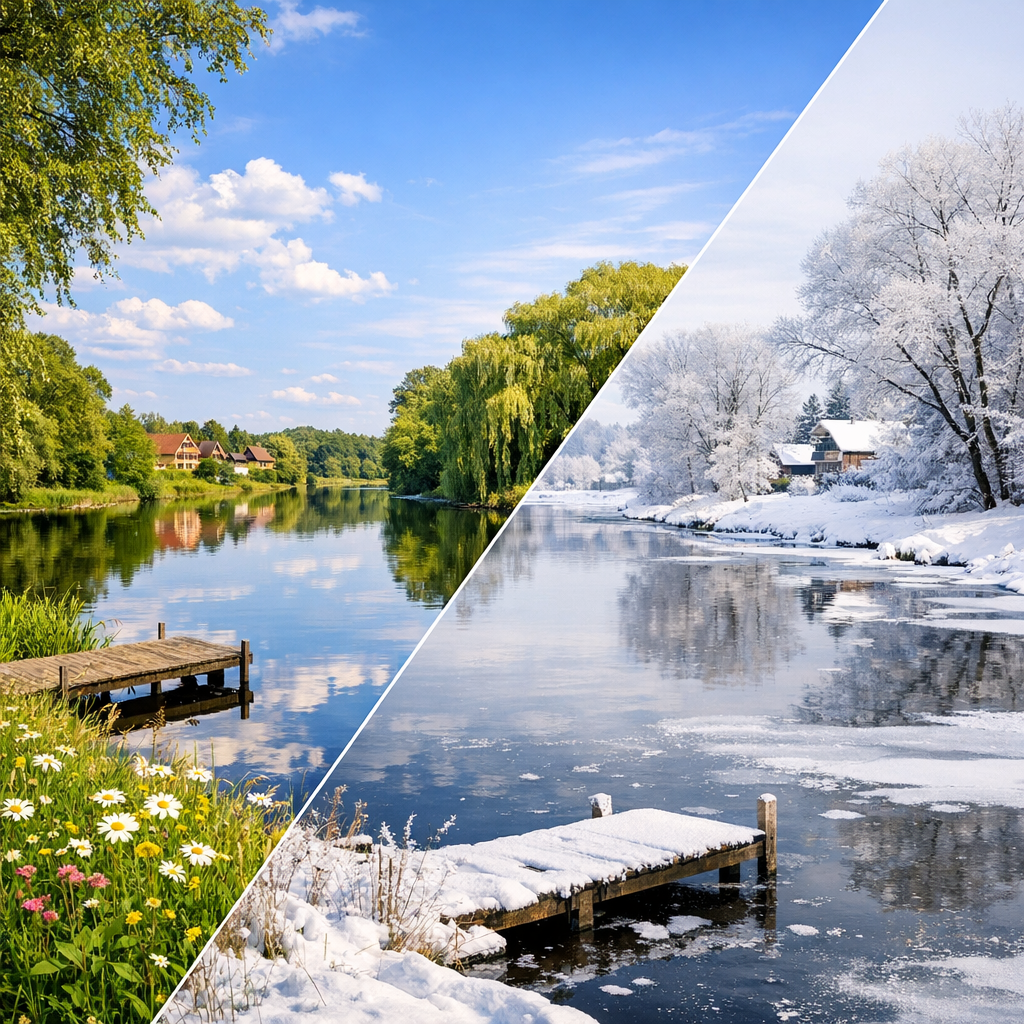
Hi, I’m James Larson, bringing you a deeper look at Stillwater’s climate: the patterns behind what shapes our weather throughout the year, and what they mean for life here.
What Kind of Climate We Have
Stillwater sits in what experts call a humid continental, hot summer climate (Köppen Dfa). That means we have cold winters, warm summers, and precipitation fairly evenly spread—but not without a couple of clear seasonal highs and lows. Snow in winter, thunderstorms in summer, and transitions that surprise and delight.
Temperature Swings Through the Year
Winter lows often dip below freezing for long stretches, with January being the coldest month—mean daily temperatures often around 15–25°F. Summer highs typically iron out near the high 70s to mid-80s°F. Expect frost-free conditions from late April through mid-October—about a 180-day growing season.
Precipitation: When It Rains or Snows
On average, Stillwater gets about 35 inches of precipitation every year. Our wettest period tends to be June through August, with rainfall coming in heavier bursts like afternoon storms. January and February are quieter months precipitation-wise, though that can mean more snow and ice.
Trends We’re Seeing
Recent climate analyses show Stillwater is warming—in particular, minimum (nighttime) temperatures have been increasing, narrowing the gap between daily highs and lows. Even as average rainfall hasn’t shifted dramatically, the distribution of precipitation—with more intense summer storms—could stress drainage, native plants, and the city’s infrastructure.
What It Means for the Environment & Daily Life
- Growing things: With about six months frost-free, gardeners and farmers are generally safe planting in late spring and harvests finish before the first strong frosts of autumn.
- Outdoor lifestyle: Every season offers its charm—but we also prepare for extremes: snowstorms, icy roads in winter, and potential thunderstorms in summer.
- Natural habitats: Local forests and wetlands adapt to both cold winters and hot summers. But increased frequency of heavy rain can erode soil and affect riverbanks without proper conservation efforts.
- Energy needs: Winters dominate energy use—heating is essential. Cooling in summer matters too, but less so compared to months of winter heating.
What to Watch & Plan For
As climate shifts continue, some things to keep an eye on include:
- Increasing nights that stay well above freezing in winter, affecting snowpack and winter water sources.
- Intense summer storms—both in rainfall and wind—may strain stormwater systems and increase risk of localized flooding.
- Changes in the length of the season—for gardening, allergy patterns, or even when animals start preparing for winter.
Weather isn’t just what you see today—it’s how our city grows, what landscapes endure, and how we plan for tomorrow. Thanks for reading. I’ll catch you next time around Stillwater skies.