

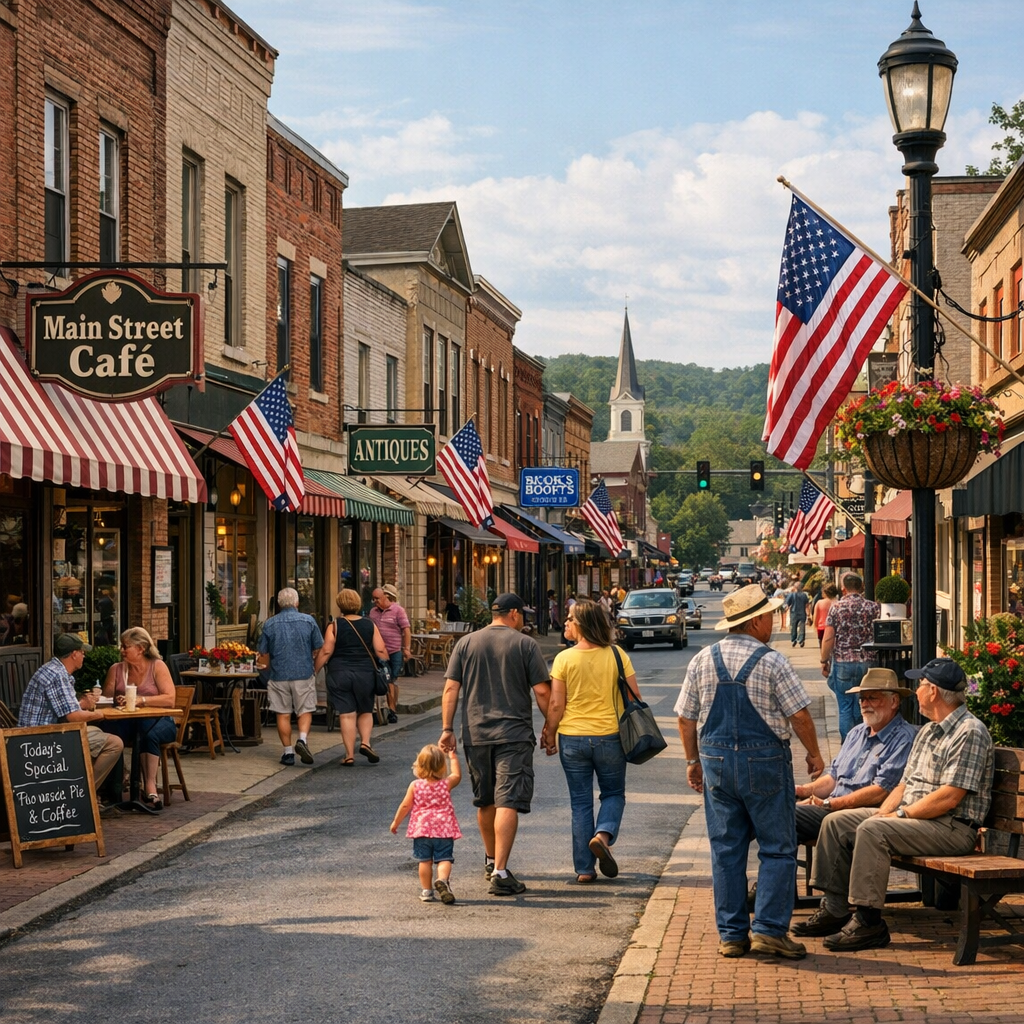
Across the country, a growing sense of economic unease is coloring how people are thinking about everything from the midterm elections to policy priorities. It’s a mood that’s especially strong in rural America, where frustrations over inflation, cost of living, and government performance are mounting.
Rural Voters Feeling Economic Strain
Survey data show that roughly half of rural registered voters believe the economy is worse now than when Donald Trump returned to office. This includes many who previously backed him or other Republicans. Key stressors include higher food and energy prices, and healthcare costs that are eating up more of household budgets.
National Outlook: Economy More Seen as Liability than Strength
From a broader perspective, Americans across political lines are pessimistic about current economic conditions. In a mid-2026 Pew Research poll, only about 1 in 4 described the national economy as “excellent” or “good,” while nearly two-thirds said it was fair or poor. Expectations looking forward are muted; optimism has dropped since earlier in the year.
Policy Trends and Political Fallout
Amid this backdrop, key issues are rising in priority for many voters:
- Controlling healthcare costs & inflation rank among the top concerns.
- Discontent over economic policy is shaping party comparisons. Fewer people believe either party has a clear advantage; many feel neither represents their economic needs well.
- The national debt is now over $40 trillion, fueling concerns that borrowing is affecting both the cost of living and long-term economic investments.
What Stillwater Residents Should Know
In places like Stillwater, these national trends show up in ways people can feel: paying more at the pump, grappling with grocery bills, navigating higher insurance or medical expenses. The political environment—especially with the midterms approaching—is being shaped by these real pressures. Candidates and policies that address cost of living, debt, and healthcare affordability may resonate more strongly than ideology alone.
While hope for improved conditions ahead remains, many Americans report it depends on government action—on inflation, infrastructure, and fiscal responsibility—or else they expect current challenges to stay or even worsen.
For our community, understanding these trends matters. What’s happening on the national stage is trickling down to neighborhood budgets, family goals, and the day-to-day decisions people in Stillwater make.