

By Ava Peterson
Technology—and especially artificial intelligence—is no longer the domain of sci-fi or Silicon Valley. In communities like Stillwater, it’s quietly making its way into everyday routines: home gadgets, healthcare, even how we age in place. Here’s a walkthrough of how AI and startup innovation are changing life closer to home.
AI That Promotes Independence for Older Adults
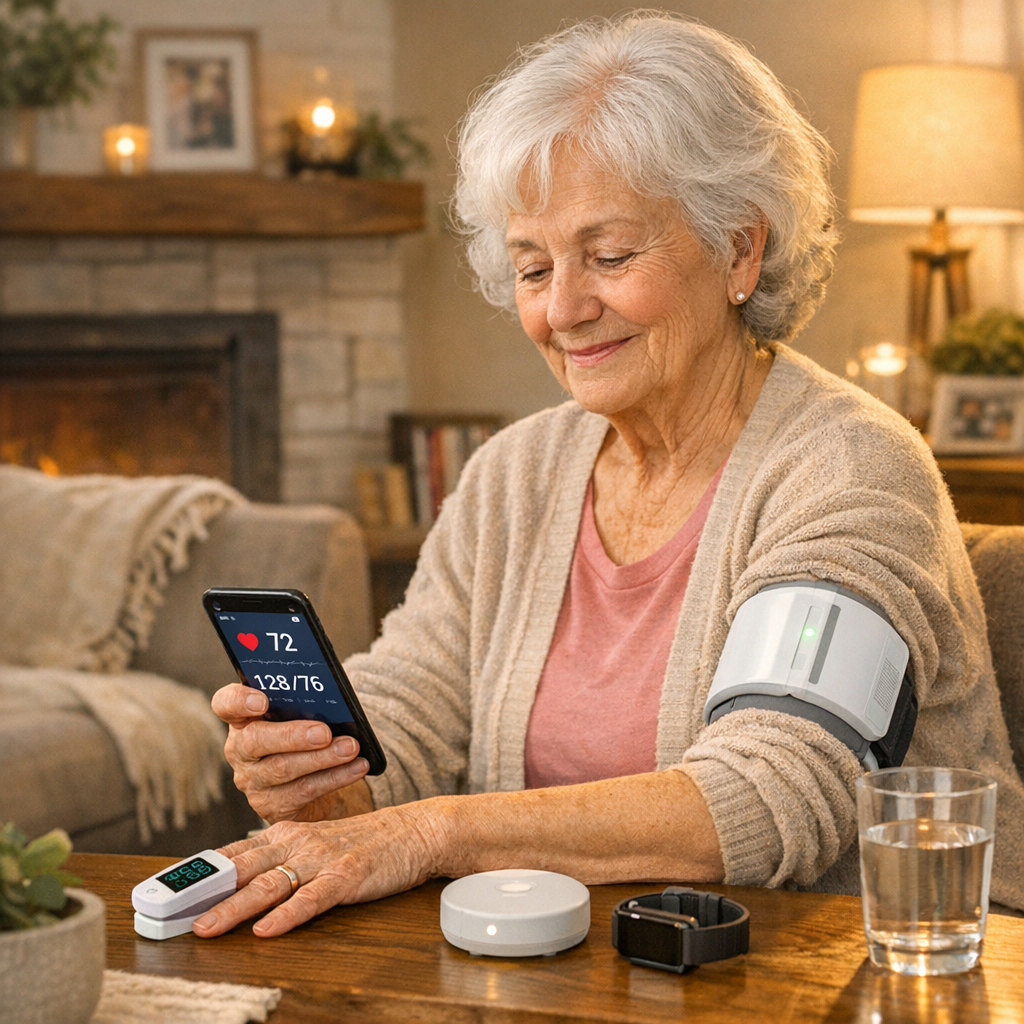
Imagine a system in your house that can gently notice when you’ve missed a doctor’s appointment, not opened the fridge in a day, or stayed still too long under unusual circumstances. That kind of AI-powered wellness platform is already in use in parts of Minnesota. It uses sensors, motion monitors and algorithms to track daily data, then alerts family members or caregivers—or even simply offers check-ins via voice assistants like Alexa—to help older adults live safer, more confident lives at home rather than in assisted living. The technology helps reduce anxiety and supports dignity and independence.
Startups Turning University Breakthroughs into Everyday Tools
The University of Minnesota’s technology commercialization programs have produced hundreds of startups that stay in state, creating jobs and producing tools people use day to day. Some of these tackle big problems—like therapies for movement disorders—others work behind the scenes, improving how digital devices consume energy while still delivering better performance.
Among those innovations: an AI-therapeutic wristband cleared by the U.S. Food and Drug Administration for helping people with essential tremors; and hardware advancing to lower the power demands of running large AI models. These aren’t just academic exercises—they’re solutions with real effects on peoples’ mobility, productivity, and cost of devices in our pockets.
Local Gaps in Awareness and Access
While some Minnesotans are early adopters of AI tools, usage isn’t equally spread. For example, people living in rural areas tend to use generative AI, chatbots, or smart assistants less often than those in urban or metro regions. Cost, connectivity, and familiarity are common hurdles—if a gadget or AI service doesn’t feel relevant or trustworthy, people often ignore it until it’s unavoidable. For Stillwater, which blends suburban access with rural surroundings, this means being proactive about digital inclusion matters.
Practical Tips for Everyday Tech Adoption
- Start small: Voice-assistants or smart plugs are affordable ways to try out AI in the home without risk.
- Check credentials: When choosing health- or safety-related devices, look for clear certifications, data privacy policies, and support from trusted providers.
- Stay curious: Local workshops, makerspaces, or public library programs often offer introductions to AI and gadgets—great way to learn without large financial commitment.
- Watch for energy use: AI-powered devices run best when balanced with energy efficiency—look for settings that allow lower computational or power modes.
Tech isn’t just about novelty. For communities like ours, it’s about designing tools that support real lives: helping seniors stay safe, turning university research into local jobs, and closing the gaps so that everyone can benefit. As these innovations grow, Stillwater is positioned to be not just a place where people wait for change—but a place that helps lead it.