

By Charlotte Lee
In Stillwater, staying well isn’t just about hitting the gym—it’s about a balance of movement, mental health, and social connection. Whether you’re beginning an exercise routine or seeking support for emotional challenges, our town offers valuable resources and practical tips to build a healthier lifestyle for the long term.
Physical Activity That Fits Your Life
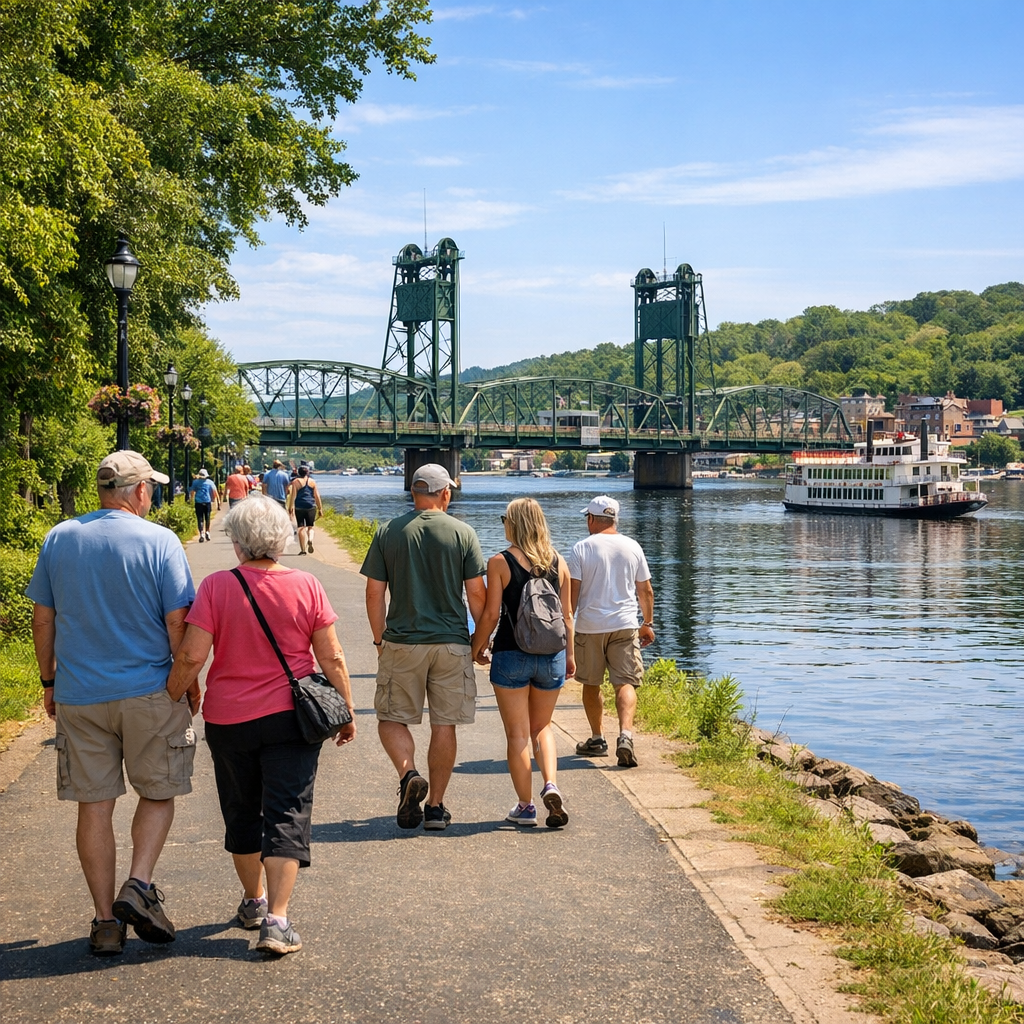
The federal Physical Activity Guidelines recommend adults aim for 150–300 minutes of moderate-intensity aerobic activity per week, plus muscle-strengthening activities at least twice weekly. Even shorter sessions—walks, yard work, or dance breaks—count. Getting started slowly and building up prevents injury and boosts consistency. Target moves that you enjoy so it feels less like a task and more like a part of your week.
Stillwater Gyms and Community Options
For many, the Pony Activity Center (PAC) is a go-to. It offers amenities like a walking track (nine laps = roughly a mile), gyms, cardio and weight rooms, and flexible membership options—starting around $13/month for basic track access, $26/month for full facility use. Membership changes took effect Sept 1, 2026, so check current prices. PAC also runs orientations for strength equipment and allows youth 14+ access after training.
Anthem Strength & Conditioning is a newer gym that blends serious coaching with flexible access. Based in Stillwater, it focuses on movement quality alongside strength, making it ideal for folks who want expert guidance and classes built around real technique.
Mind & Mood: Mental Health Resources
Canvas Health provides outpatient mental health care in Stillwater, including therapy, assessments, and substance-use services. They accept Medicare, Medicaid, private insurance, MinnesotaCare, and work with sliding scale fees for those with limited income.
Social connection is healing too—Community Thread is a hub for older adults, offering fitness and social programs in Stillwater and nearby Bayport. Whether gentle exercise, dance, or simply sharing conversation, it helps reduce isolation and build wellness holistically.
Lifestyle Strategies & Long-Term Wellness
• Small routines lead to big change. Meeting minimal activity guidelines—like 150 minutes/week of moderate aerobic exercise—can reduce risks of high blood pressure, type 2 diabetes, heart disease, depression, and certain cancers.
• Rest, recovery, and variety are key. Mix cardio, strength work, mobility, and pauses to let your body heal. Recovery is being recognized as equally important to training.
• Nourishment that sustains. The 2025–2030 Dietary Guidelines renew focus on whole foods—vegetables, fruits, whole grains, healthy fats, protein sources—while reducing highly processed items. Eating well strengthens body and brain.
Practical Tips for Your Routine
- Set realistic, measurable goals. Instead of “get fit,” try “walk 20 minutes three times a week” or “attend two strength classes this month.”
- Buddy up. A workout partner, walking friend, or mental health check-in can keep you motivated.
- Use public options before private ones. PAC, school open gyms, and Community Thread offer lower-cost or sliding fee access.
- Keep mental health in view. Stress, sleep, and mood affect physical health—don’t skip rest or support when needed.
- Track and adapt. Find what moves you—what you enjoy, what your schedule allows—and be ready to change as life shifts.
Wellness is a journey, not a sprint. In Stillwater, you have options—community spaces, expert care, gyms both small and serious—all here to support you. Stronger health, peace of mind, and connection are possible, one step at a time.