

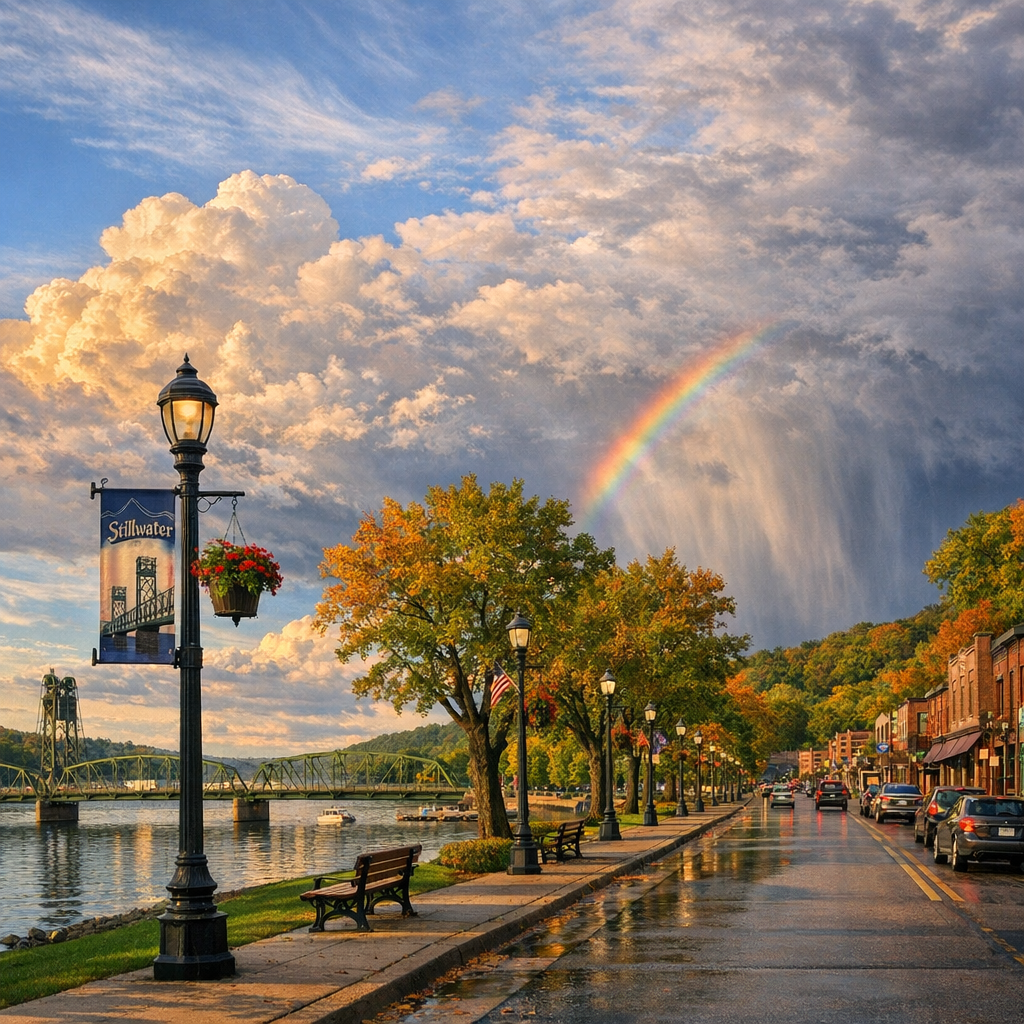
Hi neighbors, this is James Larson here digging into what our weather and environment are up to in Stillwater—and how things have been changing. The seasons still show up, but some old certainties are loosening.
Our Climate Snapshot: What Stillwater Usually Gets
Using 30-year normals (1991-2020), our summers peak in July with highs around 79-80°F and nightly lows near the low 60s. Winters bite harder—January lows average about 5-10°F, highs in the 20s. Precipitation is uneven across the year: June tends to be our wettest month (around 4½ inches), while January is among the driest. These patterns give us a humid continental climate—strong seasonal swings, snow in winter, warm humid summers.
How the Seasons Are Shifting
Winter Warming & Cold Snap Changes
Winters are heating up. Compared to a century ago, average winter low temperatures have risen sharply—Minnesota has warmed more in winter and at night than in summer and during daytime. And though we’ll still get snow and Arctic blasts, the fiercest cold spells are becoming less frequent.
More Rain, Bigger Storms, and Wetter Summers
A decade ago we’d expect heavier rainfall events less often. Now, storms that drop a lot of rain in short time are more common. Our summers tend to be wetter, with more intense downpours. Dry spells still come—but shifts between wet and dry feel more abrupt.
Environmental Concerns in Our Backyard
Water Quality and Emerging Contaminants
Stillwater’s public water system is under scrutiny in some areas—especially for PFAS chemicals (used in things like non-stick cookware, waterproof finishes, firefighting foams) that don’t break down easily and may pose long-term health risks. The city publishes annual reports on water quality and is making efforts to monitor PFAS and other pollutants.
Impact on Ecosystems and Forest Health
The warming winters and shifting precipitation patterns also affect plants, wildlife, and forests. Shorter periods of ice cover on lakes, creeping changes in growing seasons, and increased moisture stress during dry spells can create stress for native species and open the door for pests, invasive plants, and fungal diseases.
Looking Ahead: What We Can Expect—and Do
While we can’t say exactly what any upcoming winter or summer will do, the trends strongly suggest:
- Milder winters on average, but with occasional harsh snaps still possible.
- More frequent heavy rainfall events and risk of flooding in low areas or along rivers.
- Growing concern over water contaminants like PFAS and the need for strong monitoring and infrastructure.
- Longer warm seasons, which can shift planting schedules—or bloom times—for gardens, farms, and local flora.
What You Can Keep an Eye On
If you’re curious or worried, here are a few things you might track or help out with:
- City water quality reports—check for PFAS readings or any updates on drinking water safety.
- Local climate data from the DNR or state climatology office—temperature and precipitation trends are often published in accessible maps or reports.
- Stormwater and flood risk—if you live near creeks or rivers, parking infrastructure, and landscaping help manage runoff.
- Forest and yard health—note if trees or undergrowth are slower to leaf out, or if pests seem more active.
Stillwater’s weather gives us a lot to love—ice-skating in winter, riverboat rides in summer—but it’s clear the script is gradually being rewritten. Keeping up with the changes, understanding risks, and making small adjustments can help ensure our community remains resilient.