

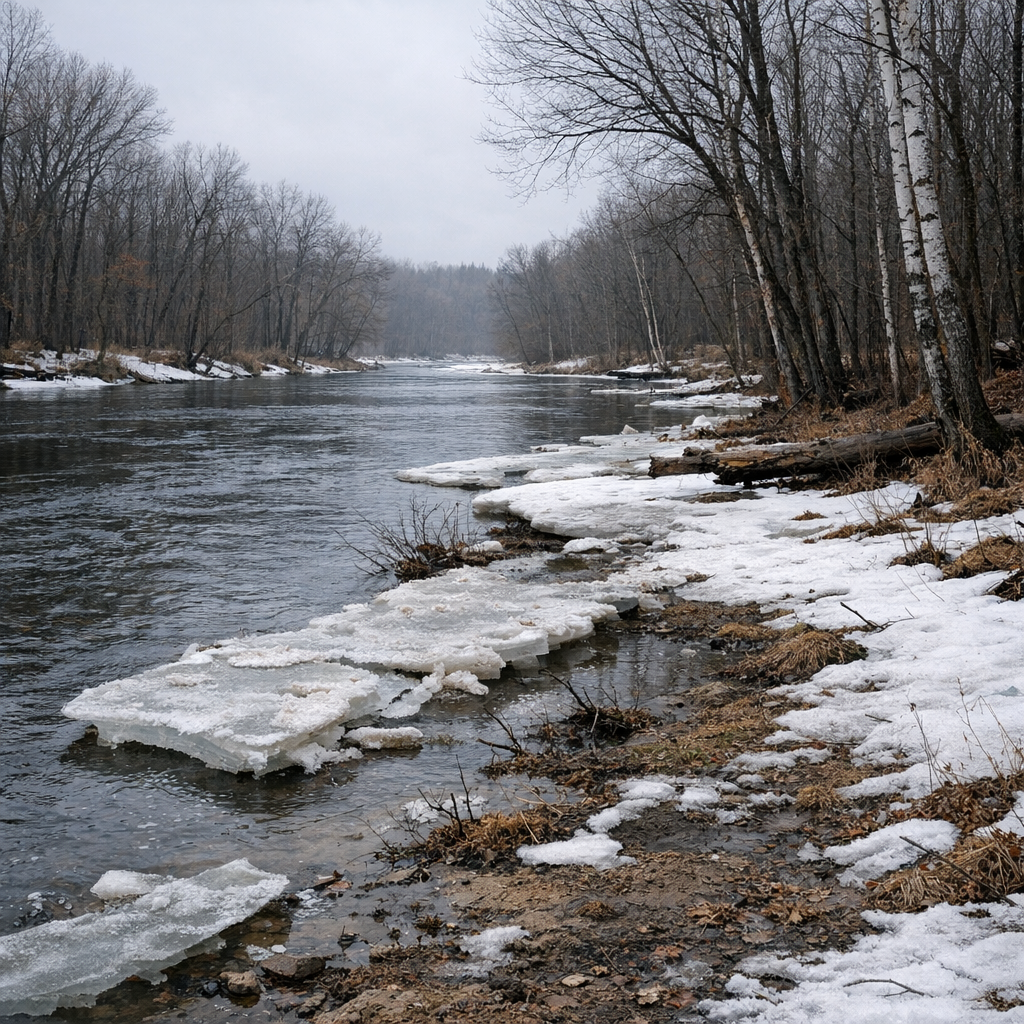
Hi everyone — I’m James Larson, bringing you a look at how weather and environment are changing in our part of Minnesota. Whether you love winter’s hush or summer’s splash, these shifts affect all of us in Stillwater.
Big Temperature Swings and Winter Warm-Ups
Stillwater still fits the humid continental climate type: warm summers, cold winters, wet all year. But one trend is clear — winters are warming. Our coldest temperatures don’t drop as low, and nights aren’t staying bitterly freezing as often. That doesn’t mean blizzards are gone, but extreme cold is less frequent.
Recent data show that Minnesota winters (especially night-time lows) have warmed significantly, rising much faster than summer highs. That means shorter periods of deep freeze, and potential effects on our landscapes, wildlife, and how we manage heating at home.
Precipitation Patterns: More, Stronger, Less Predictable
Stillwater averages about 34–35 inches of precipitation annually, most of it falling during summer months (June to August). Steady rains are common in June, with warmer months bringing more intense, short bursts due to thunderstorms. Winters tend to be colder and drier.
These weather shifts complicate local water management. More frequent heavy downpours increase risk of flash flooding, erosion, and fast runoff flooded into rivers and streams. On the flip side, warmer winters and thaws may reduce snow accumulation, affecting spring meltwater and ecosystems that depend on snowpack.
Growing Seasons, Frost Dates, and Plant Life
In Stillwater, the frost‐free period typically runs from around late April through early October, offering roughly 150–180 days for growing things. That window is crucial for gardens, crops, and native vegetation. As winters warm and spring arrives earlier, that window shifts, even if the early or late frosts still surprise us sometimes.
These changes also affect local trees and plant communities. Some native species benefit from longer growing seasons; others may struggle if pests or invasive plants, adapted to warm conditions, expand northward. Keeping local plantings resilient means choosing species well suited to our evolving climate.
Environmental Concerns: Water & Pollution
Minnesota has made progress in improving water quality: fewer bodies of water are marked “impaired,” and some pollutants like phosphorus in many rivers have stabilized or decreased. But challenges remain including nitrate runoff from agriculture, and the presence of pesticides in water bodies above safe benchmarks in certain cases.
Local areas like Brown’s Creek — a tributary of the St. Croix River — are seeing restoration efforts, especially in riparian zones, to reduce erosion and improve habitat. Healthy vegetation along waterways helps slow runoff, filter pollutants, and buffer fluctuations in stream flows, especially during heavy rains.
What Stillwater Can Do
- Monitor stormwater flow: Rain garden installations, permeable surfaces, and maintaining buffer strips help slow, clean, and absorb runoff.
- Plant native, resilient species: Trees and shrubs native to our region are often better adapted to changing frost schedules and heat stress.
- Be mindful in fertilizer and pesticide use: Reducing overuse helps protect our waterways and underground aquifers.
- Stay informed about winter and flood risks: Warmer winters can bring more freeze-thaw cycles, ice, and unpredictable conditions.
Weather and environmental patterns around Stillwater are in flux — but by knowing what’s changing and why, we can adapt together. I’ll keep watching, so you can plan ahead. — James Larson