

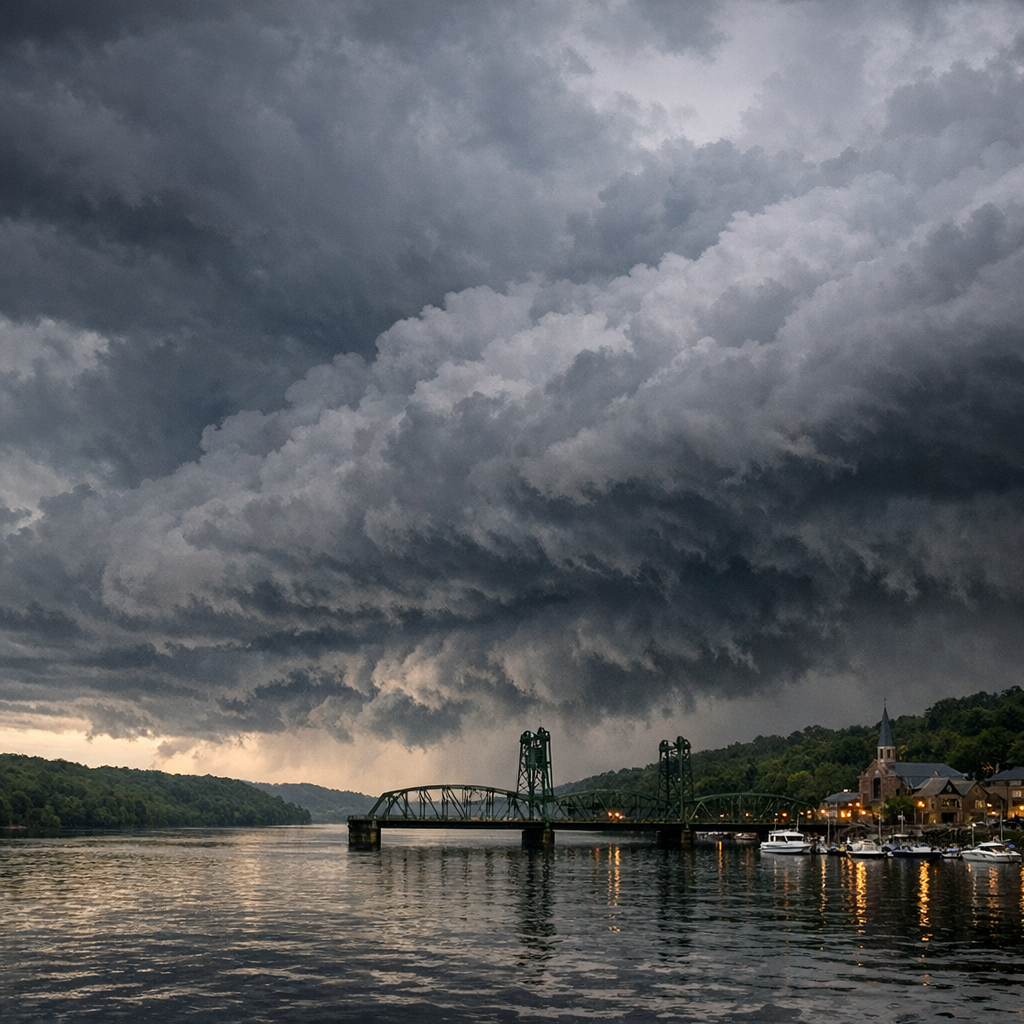
Hello, Stillwater. I’m James Larson, bringing you an update on the shifting weather and environmental patterns affecting our community — what’s changing, why it matters, and what we’re doing.
1. Warming Temperatures & Longer Summers
Like much of Minnesota, Stillwater is seeing its average temperatures rise. Over recent decades, all-season and summer highs have increased, while winter lows are becoming somewhat less extreme. These shifts aren’t just about comfort — they affect our growing season and natural cycles. Warmer springs bring earlier blooms; longer summers can stress water resources.
Individuals and organizations can track projections specific to our area using tools that model changes in temperature, precipitation, and groundwater into the future. These projections help farmers, gardeners, and municipal planners adjust for evolving conditions.
2. Changes in Precipitation & Water Availability
Most of our annual rain and snow still comes during the warm season — roughly two-thirds between May and September. But rainfall patterns are becoming less predictable. We see heavier storms, longer dry spells, and increased evaporation from soil and water surfaces during heat peaks. That means sometimes more flood risk; other times, more drought stress. For Stillwater, with our wells and stormwater infrastructure, these swings matter.
Groundwater recharge is also a concern. With more variation in rainfall and hotter weather pulling moisture faster into the air, ensuring that underground aquifers refill stays essential. This affects wells, streams, and long-term water supply reliability.
3. PFAS: A Local Water Concern
One issue Stillwater residents have had to face is PFAS contamination — sometimes called “forever chemicals” — in groundwater wells serving our drinking water. Tests have found PFAS levels at or above regulatory limits in several wells, prompting the city to take action.
Short-term measures include designs for temporary treatment facilities; longer‐term planning is underway to construct permanent treatment systems using technologies such as granular activated carbon. These efforts aim to ensure safe drinking water well before stricter standards fully kick in. (EPA standards and health guidance values will increasingly define what’s required.)
4. Health and Ecosystem Impacts
Climate changes affect more than just what we see in the weather app. Rising summer heat and humidity lead to increased risks of heat‐related health issues — especially for vulnerable groups like older adults, children, and people working outdoors. Broader shifts also influence insect seasons, allergy timing, and disease vectors.
On the ecological side, warmer weather and altered precipitation patterns stress vegetation, shift habitats, and can make soils drier or streams shallower in summer. These shifts can also influence water quality — for example, runoff from storms can carry fertilizers or phosphorus into rivers, potentially fueling algae blooms that harm aquatic life.
5. What You Can Do — Local Practices & Preparedness
Stillwater has several natural-resource programs led by volunteers and city bodies that reduce environmental strain. For example:
- Using less salt for de-icing in winter, and recovering sand to keep sediment out of local waterways.
- Clearing leaves and debris from storm drains in spring so runoff doesn’t clog or carry pollutants.
- Thinking about water use carefully, especially during hot summer months — fixing leaks, using native or drought-tolerant landscaping, and capturing rain where possible.
- Engaging with planned projects like PFAS treatment facilities, monitoring updates, or public meetings to stay informed and provide input.
Why This Matters
These environmental and weather trends aren’t hypothetical — they are shaping our everyday lives. Whether it’s turning down the thermostat, waiting for a watering ban to lift, or rethinking what trees to plant, we’re adapting locally. And the choices we make now can help Stillwater remain resilient, healthy, and vibrant in the years to come.
Stay tuned for updates through this column — and always feel free to share your observations. Sometimes, local experience reveals what the data hasn’t yet caught up with.